
Oil Spill Mats

Pay in 3 interest-free payments on purchases from £20-£3000 with  . Learn more.
Loading...
End of content
Error - No more pages to load
About Oil Spill Mats
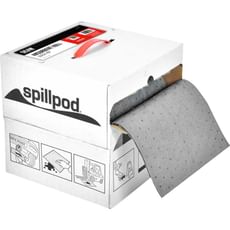
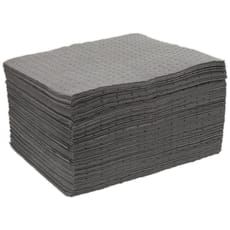
Oil spill mats, also known as absorbent pads or spill control mats, are essential workplace safety products designed to quickly contain and absorb liquid spills including oil, fuel, coolant, solvents, and other industrial fluids. These specialist absorbent materials are manufactured from highly porous synthetic fibres or polypropylene that can soak up many times their own weight in liquid, preventing spills from spreading across workshop floors, vehicle maintenance areas, and industrial sites. Available in various formats including individual pads, rolls, and quick-grip configurations, oil spill mats provide an immediate response solution for both planned maintenance tasks and emergency spill situations.
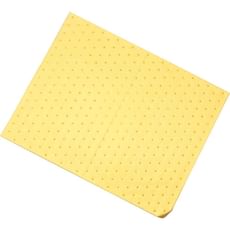
Tooled-Up.com stocks a comprehensive range of absorbent products from trusted brands including Scan and Sealey, offering solutions for different liquid types and spill scenarios. General-purpose absorbent pads handle water-based fluids, coolant, and non-aggressive liquids, making them ideal for everyday workshop use. Specialist oil and fuel absorbent pads are designed to repel water whilst absorbing hydrocarbon-based liquids, perfect for automotive workshops and plant maintenance. Chemical absorbent pads provide heavy-duty protection against acids, solvents, and aggressive chemicals, essential for industrial environments where hazardous substances are handled.
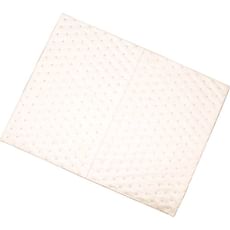
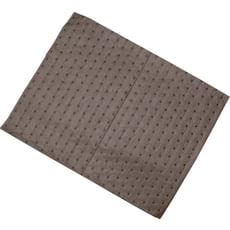
These versatile spill control products typically measure 550 x 450mm for individual pads, with larger rolls available for covering extended areas or lining drip trays. Many absorbent pads feature bonded construction for increased strength and durability, preventing the material from tearing or disintegrating when saturated. Whether protecting workshop floors, containing leaks during equipment maintenance, or maintaining compliance with HSE regulations and COSHH requirements, oil spill mats represent a cost-effective and practical solution for managing workplace spills safely and efficiently.
Jargon Buster
- Absorbency Rate: The amount of liquid a mat or pad can absorb relative to its own weight, typically measured as a ratio such as 10:1 or 20:1. Higher ratios indicate greater absorbent capacity.
- Bonded Construction: A manufacturing process where absorbent fibres are thermally or chemically bonded together to create a stronger, more durable pad that resists tearing when saturated with liquid.
- Hydrocarbon-Selective: Absorbent materials specifically engineered to absorb oil and fuel-based liquids whilst repelling water, making them ideal for outdoor use or situations where water contamination is present.
- COSHH Compliance: Adherence to the Control of Substances Hazardous to Health regulations, which require proper management and containment of hazardous liquid spills in UK workplaces.
- Perforated Pads: Absorbent sheets with tear-lines that allow users to separate smaller sections as needed, reducing waste and providing more economical spill control for minor leaks.
- Universal Absorbents: Multi-purpose absorbent materials suitable for a wide range of liquids including water, oil, coolant, and most non-aggressive chemicals.
Who Uses Oil Spill Mats?
Oil spill mats and absorbent pads are essential products across numerous trades and industries:
- Vehicle Mechanics and Technicians: Managing oil, fuel, and coolant spills during servicing, repairs, and engine maintenance
- Plant and Machinery Operators: Containing hydraulic fluid leaks and protecting equipment during routine maintenance
- Manufacturing Facilities: Maintaining clean production floors and managing coolant or lubricant spills near machinery
- Warehouse and Distribution Staff: Dealing with leaks from stored materials or damaged containers
- Facilities Maintenance Teams: Managing boiler rooms, heating systems, and general building maintenance tasks
- Marine and Boat Maintenance: Absorbing fuel and oil spills in workshops, marinas, and dry docks
- Agricultural Workers: Containing diesel and hydraulic fluid spills from farm machinery and equipment
- Health and Safety Officers: Ensuring COSHH compliance and maintaining emergency spill response kits
- Local Authorities: Managing road maintenance depots, council vehicle workshops, and public facilities
How to Choose the Right Oil Spill Mats
Selecting appropriate absorbent products depends on several key factors:
Liquid Type: Identify the fluids you need to absorb. General-purpose pads suit water-based liquids and coolants, oil and fuel absorbents are hydrocarbon-selective and ideal for workshops, whilst chemical absorbent pads handle acids and aggressive solvents. Using the correct specification ensures maximum absorbency and safe disposal.
Absorbent Capacity: Consider the volume of liquid you typically handle. Individual pads measuring 550 x 450mm suit small spills and drip trays, whilst absorbent rolls provide continuous coverage for larger areas or frequent spill scenarios. Calculate your requirements based on typical spill volumes and frequency.
Durability Requirements: Bonded absorbent pads offer superior strength and won't disintegrate when saturated, making them suitable for heavy-duty use and wringing out for disposal. Standard pads provide economical solutions for lighter applications where maximum strength isn't critical.
Format and Convenience: Browse the selection at Tooled-Up.com to compare formats including individual pads for targeted spill response, perforated sheets for flexible sizing, and quick-grip rolls for rapid deployment. Consider storage space and how quickly you need to access absorbent materials during emergencies.
Regulatory Compliance: Ensure your chosen products meet HSE and COSHH requirements for your workplace. Maintain adequate stock levels for potential spill scenarios and include appropriate absorbents in your site risk assessments and emergency procedures.
Popular Accessories
- Spill Kits: Complete emergency response kits containing absorbent pads, disposal bags, and protective equipment
- Drip Trays: Metal or plastic containment trays for positioning under leaking equipment or during maintenance
- Disposal Bags: Heavy-duty waste sacks specifically designed for safe disposal of contaminated absorbent materials
- Absorbent Socks: Tubular absorbents for creating barriers around spills or lining door thresholds
- PPE Equipment: Protective gloves, goggles, and coveralls for safe handling of spills and contaminated materials
- Spill Stations: Wall-mounted storage units keeping absorbent materials accessible and organised
- Oil Drain Pans: Collection containers for planned fluid changes and maintenance work
Safety Information
Safe use of oil spill mats requires attention to proper handling and disposal procedures. Always wear appropriate PPE including chemical-resistant gloves when dealing with spills, particularly when handling aggressive solvents or acids. Ensure adequate ventilation when working with volatile substances, as absorbent materials can release fumes from absorbed liquids.
Saturated absorbent pads must be disposed of in accordance with COSHH regulations and local authority waste disposal requirements. Contaminated materials are often classified as hazardous waste and require specialist disposal through licensed carriers. Never dispose of oil-soaked absorbents in general waste bins or pour absorbed chemicals down drains.
Store unused absorbent materials in a dry location away from ignition sources, as some absorbed substances may be flammable. Keep adequate supplies accessible for emergency response but avoid storing excessive quantities that could themselves become a fire hazard. Regularly inspect stored absorbents for contamination or deterioration and replace as necessary.
Frequently Asked Questions
What's the difference between oil-only and general-purpose absorbent pads?
Oil-only or hydrocarbon-selective pads are engineered to absorb petroleum-based liquids whilst repelling water, making them ideal for outdoor use or situations where water is present. General-purpose absorbent pads absorb both water and oil-based fluids, making them more versatile for workshop environments where various liquid types may be encountered.
How much liquid can an absorbent pad typically hold?
Most quality absorbent pads can absorb 10-20 times their own weight in liquid. A standard 550 x 450mm pad typically absorbs between 1-2 litres depending on the liquid viscosity and the pad's construction. Thicker, bonded pads generally offer higher absorbency rates than lighter-weight alternatives.
Can absorbent pads be reused or wrung out?
Bonded absorbent pads with high strength can be wrung out to extract absorbed liquid, potentially allowing limited reuse for the same liquid type. However, for safety and effectiveness, single-use disposal is recommended, particularly when dealing with hazardous chemicals or heavily contaminated fluids. Always follow COSHH guidelines for your specific application.
How should I dispose of used oil spill mats?
Disposal requirements depend on the absorbed substance. Oil and fuel-soaked absorbents are typically classified as hazardous waste requiring disposal through licensed waste carriers. Contact your local authority or a specialist hazardous waste disposal service. Never dispose of contaminated absorbents in general waste or attempt to burn them.
How many absorbent pads should I keep in stock?
Stock levels depend on your workplace risk assessment, the volume of liquids handled, and frequency of spills. As a minimum, maintain enough absorbent capacity to handle your largest potential spill scenario, plus additional stock for routine drips and minor leaks. Many businesses keep at least one complete spill kit plus supplementary pads for everyday use.