

Oils & Treatments

Pay in 3 interest-free payments on purchases from £20-£3000 with  . Learn more.


 Loading...
End of content
Error - No more pages to load
About Oils & Treatments
Wood oils and treatments are essential finishing products that protect, nourish and enhance timber surfaces both indoors and outdoors. Unlike varnishes or paints that sit on top of the wood, oils penetrate deep into the grain to provide protection from within whilst allowing the natural beauty and texture of the timber to show through. The range at Tooled-Up includes specialist formulations such as Danish oil, teak oil, linseed oil, hard wax oils and wood preservers from trusted manufacturers including Liberon, Rustins, Ronseal, Everbuild and Blackfriar.
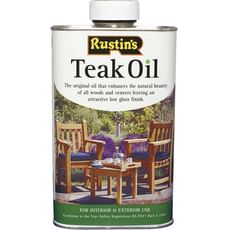
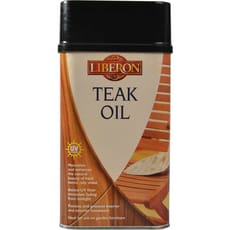
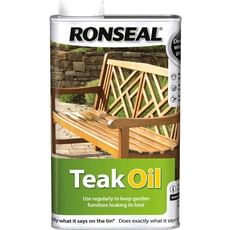
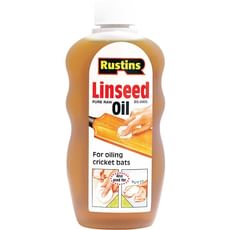
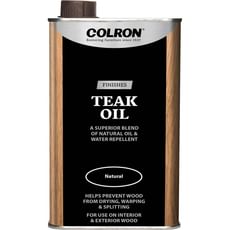
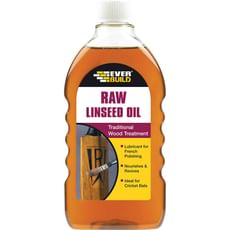
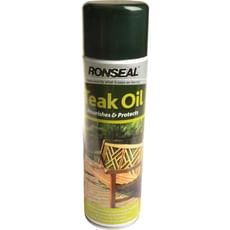
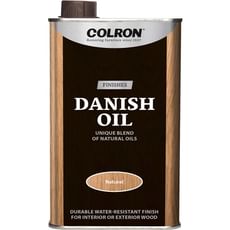
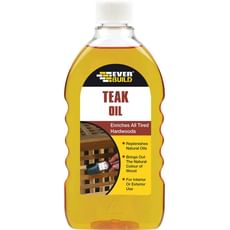
These treatments serve multiple purposes depending on the product type and application. Danish oil creates a low-lustre satin finish that's both scratch-resistant and water-repellent, making it ideal for furniture, worktops and interior joinery. Teak oil is specifically formulated for high-oil-content hardwoods and outdoor furniture, often containing UV filters to prevent sun damage and greying. Linseed oil—available in raw or boiled formulations—is a traditional treatment that feeds and preserves timber whilst providing a subtle sheen. Hard wax oils combine the penetrating properties of oil with a protective wax top layer for heavy-duty applications like wooden flooring.
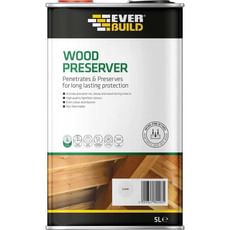
Wood preservers protect external timber from rot, fungal decay and insect attack, extending the lifespan of fencing, sheds, decking and other outdoor structures. Specialist products like worktop oils are food-safe formulations designed for kitchen surfaces, with some including antibacterial properties for enhanced hygiene. Whether you're restoring antique furniture, maintaining outdoor decking, finishing a carpentry project or protecting structural timber, Tooled-Up.com stocks the appropriate oil or treatment for the job.
Jargon Buster
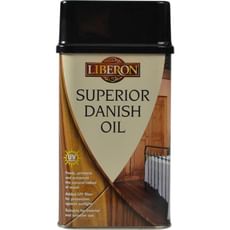
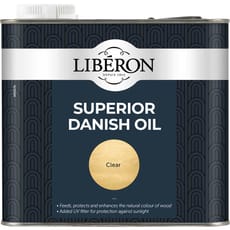
- Danish Oil: A blend of oil and varnish that penetrates timber whilst building a protective surface film. Provides a durable, water-resistant finish with a low-sheen satin appearance. Suitable for interior and exterior use on most wood types.
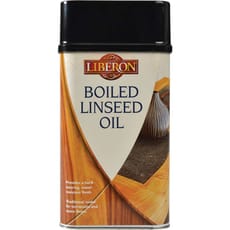
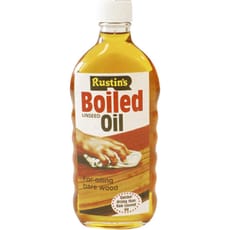
- Boiled Linseed Oil: Raw linseed oil that has been heat-treated with drying agents to speed up curing time. Dries much faster than raw linseed oil (typically within 24 hours) whilst retaining excellent penetration and timber-feeding properties.
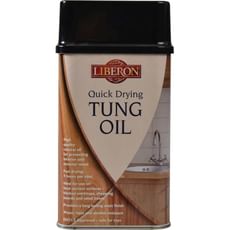
- Tung Oil: A natural drying oil extracted from tung tree seeds. Creates a harder, more water-resistant finish than linseed oil and is particularly valued for outdoor furniture and marine applications. Quick-drying formulations cure faster than traditional tung oil.
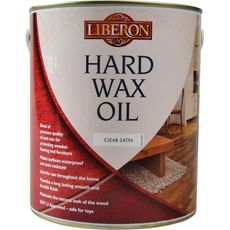
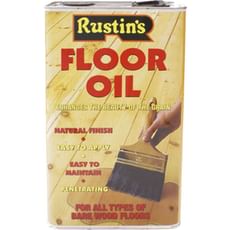
- Hard Wax Oil: A hybrid finish combining penetrating oils with protective waxes. The oil soaks into the timber whilst the wax creates a tough surface layer. Popular for wooden flooring and high-traffic areas due to excellent durability and ease of maintenance.
- Wood Preserver: A solvent-based or water-based treatment containing biocides that prevent fungal decay, wet rot, dry rot and insect infestation. Essential for external structural timber and any wood in contact with the ground or exposed to moisture.
- UV Filter: Chemical compounds added to exterior wood oils that absorb or reflect ultraviolet radiation, preventing photodegradation that causes timber to grey, fade and lose structural integrity when exposed to sunlight.
Who Uses Oils & Treatments?
- Carpenters and joiners finishing bespoke furniture, staircases, doors and interior woodwork
- Cabinet makers applying food-safe finishes to kitchen worktops and handcrafted furniture
- Decking specialists maintaining and protecting outdoor timber structures
- Furniture restorers reviving antique pieces and repairing damaged finishes
- Woodturners finishing bowls, platters, spindles and decorative items
- French polishers using oils as base treatments or repair products
- Landscapers treating fencing, pergolas, garden furniture and outdoor timber structures
- Shopfitters finishing retail counters, display units and commercial joinery
- Property maintenance contractors preserving and protecting building timberwork
- DIY enthusiasts tackling home improvement projects involving timber finishing
- Boat builders and marine engineers using specialist oils for wooden vessels and marine fittings
How to Choose the Right Oils & Treatments
Application Location: Determine whether the timber is internal or external. Interior applications offer more product choices, whilst outdoor use requires oils with UV protection and enhanced water resistance. External treatments must withstand temperature fluctuations, moisture and sunlight exposure.
Wood Type: Different timbers have varying oil content, porosity and grain structure. High-oil hardwoods like teak, iroko and oak respond well to teak oil or Danish oil, whilst softwoods and more porous timbers may require wood preservers or deeper-penetrating formulations. Newly sawn timber accepts treatments differently from aged or weathered wood.
Finish Appearance: Consider the desired sheen level and colour enhancement. Danish oil typically provides a satin finish, whilst some linseed oils create a more subtle, natural appearance. Hard wax oils can be buffed to varying sheen levels. Some products darken or enrich the timber colour, whilst others maintain a more neutral tone.
Durability Requirements: High-traffic areas, worktops and flooring demand more robust finishes like hard wax oils that can withstand wear, moisture and frequent cleaning. Decorative items or low-use furniture can use lighter-duty formulations. Consider whether the surface will contact water, food, alcohol or other substances.
Drying and Curing Time: Quick-drying formulations allow faster project completion and earlier use of treated surfaces. Traditional oils may require several days to fully cure. Consider site constraints, weather conditions for exterior work, and project deadlines when selecting products.
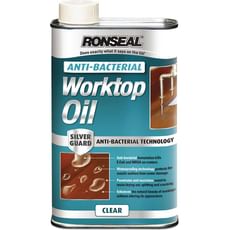
Food Safety: Kitchen worktops, chopping boards, salad bowls and other food-contact surfaces require specific food-safe oils that comply with relevant health standards. Products like Ronseal Anti Bacterial Worktop Oil are formulated specifically for these applications.
Maintenance and Reapplication: Some oils require annual reapplication whilst others last several years. Consider ongoing maintenance requirements, particularly for large areas like decking or flooring. Products that are easily touched up or recoated without full stripping save time and cost.
Popular Accessories
- Lint-free cotton cloths for applying oil treatments without leaving fibres in the finish
- Natural bristle brushes designed for oil-based products, ensuring smooth application
- Fine abrasive pads (wire wool or synthetic equivalents) for inter-coat flatting
- Sandpaper assortments for surface preparation before oil application
- White spirit or mineral spirits for thinning oils and cleaning brushes
- Metal paint kettles for decanting and working from smaller quantities
- Disposable gloves for hand protection during application
- Dust sheets and masking tape for protecting adjacent surfaces
- Wire brushes for preparing weathered or rough external timber
- Self-closing metal containers for safe disposal of oil-soaked cloths
Safety Information
Spontaneous Combustion Risk: Oil-soaked rags, cloths and pads can spontaneously ignite through heat generated during the oxidation process. Never leave bunched-up oily materials in enclosed spaces. Lay used cloths flat to dry outdoors, away from buildings, or store in a sealed, water-filled metal container before disposal. This is the single most important safety consideration when working with drying oils.
Ventilation: Many oil products contain volatile organic compounds (VOCs) and should be used in well-ventilated areas. Ensure adequate fresh air circulation, particularly when working indoors. For large-scale applications in confined spaces, consider respiratory protection conforming to HSE guidance.
Skin Contact: Prolonged or repeated skin exposure can cause irritation and dermatitis. Wear appropriate gloves and use barrier creams. Remove splashes immediately with suitable cleaners. Some products may cause allergic reactions in sensitive individuals.
COSHH Requirements: Wood preservers and treatments containing biocides are subject to Control of Substances Hazardous to Health regulations. Read safety data sheets, use appropriate PPE, and follow manufacturer guidance. Keep products away from children and pets.
Storage: Store oils and treatments in original containers, tightly sealed, in a cool, dry location away from heat sources and direct sunlight. Keep separate from foodstuffs. Check shelf life, as some products have limited storage stability once opened.
Frequently Asked Questions
What's the difference between Danish oil and teak oil?
Danish oil is a versatile blend of oil and varnish suitable for most timber types, creating a low-lustre protective finish. Teak oil is specifically formulated for high-oil-content hardwoods and outdoor applications, often containing UV filters and stronger water-resistant properties. Danish oil typically builds more surface protection, whilst teak oil emphasises penetration and weather resistance.
How many coats of oil should I apply?
Most applications require 2-3 coats for adequate protection and appearance. The first coat penetrates deeply and may be fully absorbed by thirsty timber. Subsequent coats build surface protection. Allow proper drying time between coats (typically 4-24 hours depending on product and conditions). Porous or weathered timber may require additional coats.
Can I apply oil over existing varnish or paint?
No, oil requires direct contact with bare wood to penetrate effectively. Existing film finishes like varnish, polyurethane or paint must be completely removed by sanding or stripping before oil application. Oil applied over sealed surfaces will not cure properly and will remain sticky or easily mark.
How do I maintain an oiled finish?
Clean oiled surfaces with a damp cloth and mild detergent, avoiding harsh chemicals that strip the oil. Depending on wear and exposure, reapply a maintenance coat annually or when the surface appears dry or water no longer beads on the surface. Light sanding between maintenance coats isn't usually necessary—simply clean, dry and apply a fresh thin coat.
Is the smell from wood oils harmful?
The solvent odour from drying oils is unpleasant but not typically dangerous at normal exposure levels in well-ventilated areas. The smell diminishes significantly within 24-48 hours as solvents evaporate. For extended exposure or large-scale applications, ensure proper ventilation and consider respiratory protection. Water-based alternatives produce less odour if this is a concern.