

OMT Accessory Sets
Pay in 3 interest-free payments on purchases from £30-2000 with  . Learn more.
 Loading...
End of content
Error - No more pages to load
About OMT Accessory Sets
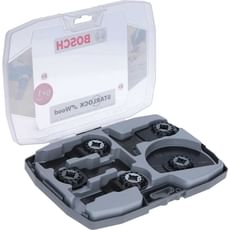
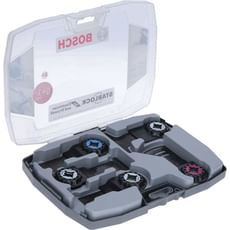
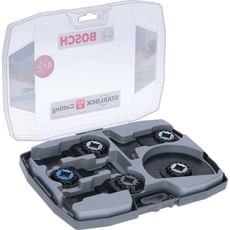
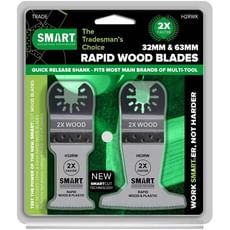
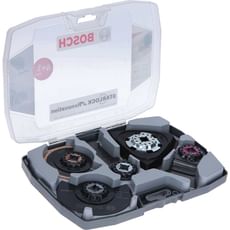
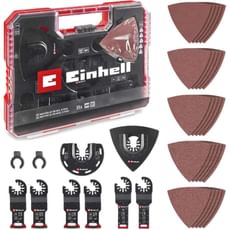
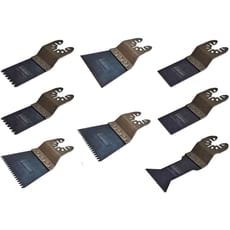
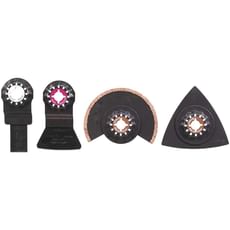
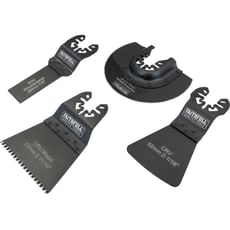
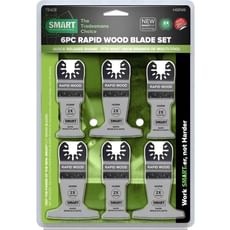
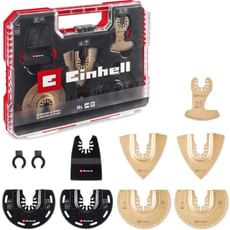
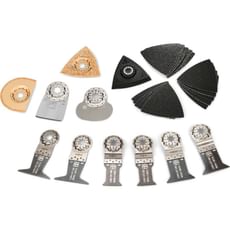
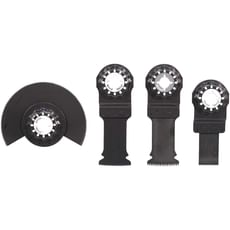
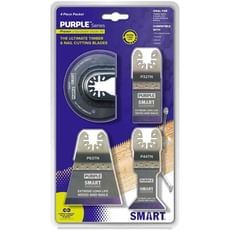
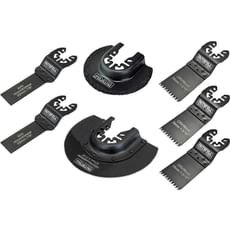
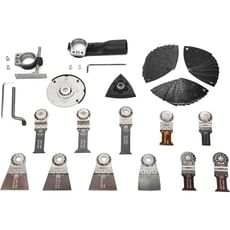
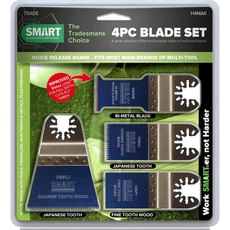
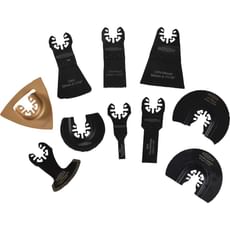
Oscillating Multi-Tool (OMT) accessory sets are curated collections of blades, sanding pads, and cutting attachments designed to maximise the versatility of oscillating multi-tools. These comprehensive kits typically combine multiple blade types and accessories tailored for specific trades or applications, from general renovation work to specialist tasks like flooring installation or electrical work. Available from Tooled-Up.com, these sets represent excellent value compared to purchasing individual accessories, whilst ensuring tradespeople have the right tool for various cutting, sanding, scraping, and grout removal tasks on site.
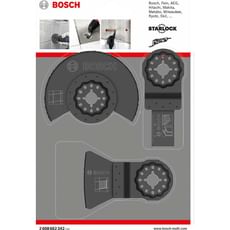
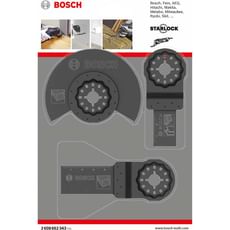
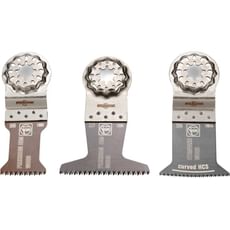
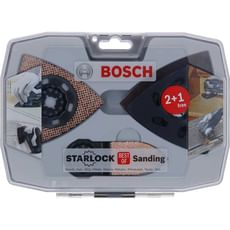
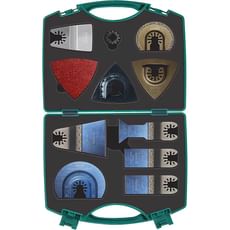
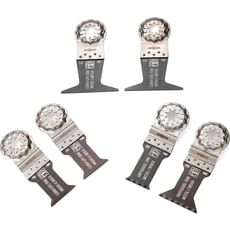
The range includes universal accessory sets compatible with most major multi-tool brands, alongside manufacturer-specific collections featuring proprietary fitment systems like Bosch Starlock, Fein StarLock, and Festool connection systems. Professional-grade sets typically feature high carbon steel, bi-metal, or carbide-tipped blades engineered for extended performance when cutting through timber, metal, plastics, and composite materials. Many sets come supplied in robust storage cases that protect accessories during transport and keep everything organised on busy job sites.
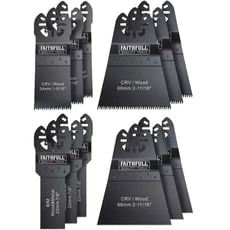
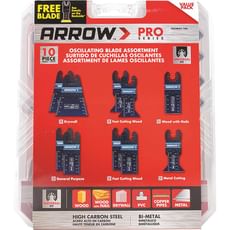
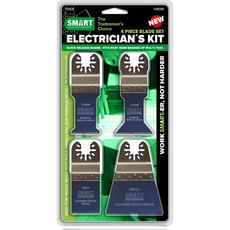
OMT accessory sets cater to both general-purpose requirements and trade-specific applications. Woodworking sets might include precision cutting blades, plunge-cut blades, and various grit sanding pads, whilst electrician sets typically feature drywall blades and cable access cutters. Tiling and flooring sets concentrate on grout removal tools and undercutting blades, making them invaluable for bathroom fitters and floor layers. The comprehensive selection at Tooled-Up stocks sets from leading manufacturers including Bosch Professional, Fein, DeWalt, Festool, and Faithfull, alongside universal accessory packs from brands like Arrow and Draper.
Jargon Buster
- Starlock/StarLock: A universal three-dimensional fitment system developed by Bosch and adopted by multiple manufacturers, providing tool-free blade changes and superior power transfer compared to older OIS systems. Available in standard Starlock and Starlock Max variants for higher torque applications.
- Bi-Metal Blades: Cutting blades constructed from two different metals—typically high-speed steel teeth welded to a flexible spring steel body—offering superior durability when cutting through materials containing hidden nails or screws.
- Plunge-Cut Blade: A blade design that allows users to cut into the centre of materials without starting from an edge, essential for creating access holes in plasterboard, timber flooring, or worktops.
- TPI (Teeth Per Inch): The number of cutting teeth per inch on a blade, with lower TPI providing faster, rougher cuts in timber, whilst higher TPI delivers smoother, more controlled cuts in metal and plastics.
- Carbide-Grit Blades: Blades coated with tungsten carbide particles rather than teeth, designed for cutting abrasive materials like tile, fibreglass, cement board, and cast iron where conventional toothed blades would quickly dull.
- Segment Blade: A semicircular blade with cutting teeth on the curved edge, ideal for flush-cutting timber, undercutting door frames, and accessing tight corners.
Who Uses OMT Accessory Sets?
- Carpenters and Joiners: For flush-cutting architrave, cutting worktop joints, and precision trimming operations
- Electricians: Creating access holes in plasterboard, cutting through studwork, and removing cable chase material
- Plumbers: Accessing pipework behind walls, cutting plastic pipe, and removing damaged sections of flooring
- Bathroom Fitters and Tilers: Grout removal, cutting ceramic tiles, undercutting door frames, and removing old silicone
- Floor Layers: Undercutting skirting and architrave, trimming laminate, and cutting subfloor materials
- Kitchen Fitters: Worktop cutting, scribing, and access hole creation for services
- Property Maintenance Professionals: General repair work, renovation projects, and restoration tasks
- Window Fitters: Sill trimming, sealant removal, and precise cutting around frames
- DIY Enthusiasts: Home improvement projects requiring versatile cutting and sanding capabilities
- Vehicle Restoration Specialists: Bodywork preparation, rust removal, and precision metal cutting
How to Choose the Right OMT Accessory Sets
Compatibility and Fitment System: Verify whether the accessory set matches your multi-tool's mounting system. Whilst universal OIS (Oscillating Interface System) accessories fit most older tools, newer proprietary systems like Starlock, Fein QuickIN, or Festool StarlockPlus offer superior blade retention and power transfer. Tooled-Up.com clearly identifies fitment compatibility for each set, helping you select accessories that work seamlessly with your existing power tool.
Application Focus: Consider whether a trade-specific set or general-purpose collection better suits your requirements. Electricians benefit from sets featuring multiple drywall blades and narrow profile cutters, whilst woodworkers require varied wood-cutting blades in different widths. Renovation sets typically offer the broadest selection, including wood, metal, and tile-cutting options alongside sanding attachments. For single-trade professionals, specialist sets deliver exactly what you need without paying for unused accessories.
Blade Material and Quality: Professional-grade sets feature high carbon steel (HCS) blades for timber, bi-metal (BIM) blades for mixed materials containing nails, and carbide-grit options for abrasive materials. Budget sets may include fewer bi-metal blades, whilst premium collections from Bosch Professional, Fein, and Festool prioritise durability for demanding site work. Consider your typical materials—cutting reclaimed timber with hidden fixings demands bi-metal construction, whereas new timber work suits standard HCS blades.
Set Size and Value: Larger sets containing 10-15 pieces offer superior value per accessory but may include items rarely used in your specific trade. Smaller 3-5 piece collections focus on essential items for particular tasks like flooring or tiling. Calculate cost per blade and consider whether the storage case adds practical value for site work. Sets from established brands typically cost more initially but deliver longer blade life and consistent cutting performance.
Blade Width Variety: Sets including multiple blade widths—typically ranging from 10mm precision blades to 65mm wide cutters—provide greater versatility. Narrow blades excel at detailed work and tight access, whilst wider blades increase cutting speed on larger jobs. Trade-specific sets often emphasise particular widths: electrician sets favour narrower profiles, whilst renovation sets include wider options for faster stock removal.
Storage and Organisation: Quality accessory sets include robust cases that protect blades during transport and prevent damage to cutting edges. Some manufacturers offer foam inserts with designated spaces for each accessory, whilst others provide basic plastic cases. For mobile tradespeople working from vans, secure storage that integrates with existing tool storage systems (like TSTAK, PACKOUT, or MakPac) adds considerable practical value.
Popular Accessories
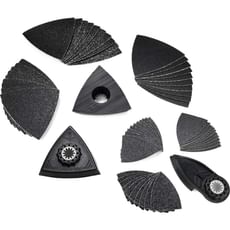
- Additional Sanding Pads: Assorted grit triangular and rectangular pads for different surface preparation requirements
- Carbide Rasp Attachments: For shaping timber, plastics, and soft metals
- Scraper Blades: Rigid and flexible options for adhesive, paint, and sealant removal
- Grout Removal Blades: Diamond-coated or carbide-grit variants specifically for ceramic tile grout
- Extension Adapters: Increase reach for accessing recessed areas
- Depth Stop Attachments: For controlled plunge-cut depth when working with services behind walls
- Hook and Loop Backing Pads: Replacement sanding pad interfaces when originals wear out
- Segmented Diamond Blades: For cutting tile, stone, and cement board
- HSS Metal Cutting Blades: Precision blades for steel pipe, bolts, and brackets
- Storage Cases: Aftermarket organisers for protecting and transporting blade collections
Safety Information
Personal Protective Equipment: Always wear appropriate safety glasses or goggles when operating oscillating multi-tools, as cutting operations generate debris that can cause eye injuries. Dust masks or respirators are essential when cutting materials producing fine particles, particularly MDF, cement board, or old paint that may contain harmful substances. Heavy-duty gloves protect hands during blade changes, though never wear gloves whilst operating the tool itself as they may catch on moving components.
Blade Selection and Condition: Using the correct blade type for your material prevents dangerous kickback and premature blade failure. Inspect blades before each use for cracks, missing teeth, or damage, replacing any compromised accessories immediately. Never exceed the maximum depth rating marked on blades, particularly when cutting near concealed services. Ensure blades are properly secured in the fitment system before starting work—loose accessories can detach during operation, creating serious hazards.
Hidden Services and Cables: Before cutting into walls, floors, or ceilings, use a cable and pipe detector to identify concealed electrical wiring, water pipes, and gas lines. The HSE recommends de-energising circuits when cutting near electrical installations, even when detection equipment shows clear areas. When working in occupied properties, verify service locations with building owners and examine the opposite side of walls where possible to identify potential hazards.
Material-Specific Hazards: Cutting pressure-treated timber, lead paint, or asbestos-containing materials requires additional precautions beyond standard PPE. Never cut materials you cannot positively identify. When working with fibreglass, composite materials, or items containing resins, ensure adequate ventilation as fumes can be harmful. Some materials like cast iron produce particularly sharp swarf requiring careful cleanup and disposal.
Tool Maintenance: Disconnect 240v corded multi-tools from the mains before changing accessories. For cordless models, remove the battery pack during blade changes. Never force worn blades to continue cutting as this increases the risk of breakage and tool damage. Store accessory sets in their cases to protect cutting edges and prevent accidental contact injuries when reaching into toolboxes.
Frequently Asked Questions
Are universal accessory sets compatible with all oscillating multi-tool brands?
Most universal OIS accessory sets fit the majority of oscillating multi-tools from major manufacturers including older Bosch, Fein, Makita, DeWalt, and Milwaukee models. However, newer tools featuring proprietary fitment systems like Starlock, StarLock Max, or Fein QuickIN require specific accessories designed for those interfaces. Whilst adapters exist to use universal blades on Starlock tools, purpose-made Starlock accessories deliver superior performance and blade retention. Check your tool's manual or the collar design to identify which system you have before purchasing accessory sets.
How long do OMT blades typically last?
Blade longevity varies dramatically based on materials being cut, blade quality, and operator technique. Professional bi-metal blades from Bosch, Fein, or Festool might complete dozens of cuts through timber studwork before dulling, whilst economy blades may require replacement after a single demanding application. Cutting abrasive materials like cement board or hitting hidden nails significantly reduces blade life. Carbide-grit blades for tile work generally outlast toothed blades when used appropriately. As a general guide, professional tradespeople should expect bi-metal blades to handle approximately 50-100 linear metres of softwood cutting before performance degrades noticeably.
Can I use wood-cutting blades on metal or vice versa?
Using wood-specific HCS blades on metal causes rapid tooth damage and potential blade failure, creating safety hazards. Metal-cutting blades feature different tooth geometries, higher TPI counts, and harder steel compositions than wood blades. Conversely, using metal-cutting blades on timber works but cuts more slowly and clogs with sawdust. Bi-metal blades offer the best compromise, handling both materials effectively and surviving encounters with hidden nails or screws embedded in timber. For maximum efficiency and safety, always match blade type to material—the minor cost saving from using incorrect blades is outweighed by poor performance and premature failure.
What's the difference between Starlock and Starlock Max accessories?
Starlock and Starlock Max represent different sizes within the same three-dimensional fitment system. Standard Starlock accessories feature a mounting interface suitable for most oscillating multi-tools up to approximately 500W, whilst Starlock Max has a larger fitment designed for higher-powered tools delivering greater torque. Starlock Max blades are typically wider (often 50mm+) and constructed more robustly to withstand the increased forces from professional-grade tools. Starlock Max tools accept both standard Starlock and Starlock Max accessories, but standard Starlock tools cannot accommodate Max accessories due to the larger mounting interface.
Do I need different accessories for 240v corded versus cordless multi-tools?
Blade requirements are determined by the fitment system and application rather than power source. The same Starlock, OIS, or manufacturer-specific accessories work with both 240v corded and cordless versions of compatible tools. However, lower-powered cordless models may struggle with aggressive blade types designed for high-torque applications, potentially causing battery drain or motor stalling. When using cordless tools, start with narrower blades and less aggressive cutting actions, upgrading to wider or more aggressive accessories only if your tool has sufficient power reserves. Professional 18V brushless cordless multi-tools from Milwaukee, DeWalt, or Makita generally handle the full range of accessory types without issues.