

OMT Grout Blades
Pay in 3 interest-free payments on purchases from £30-2000 with  . Learn more.
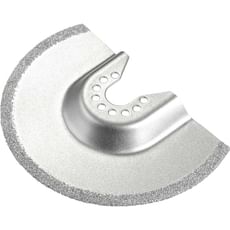
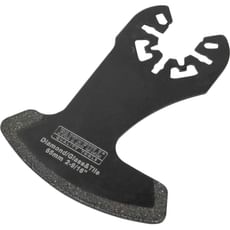
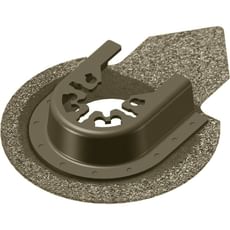
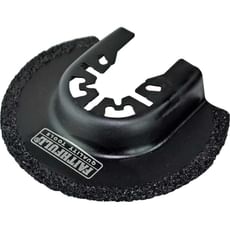
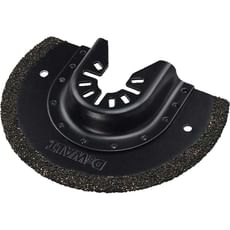
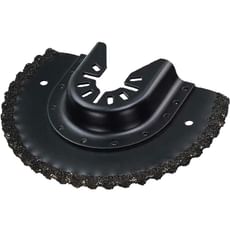
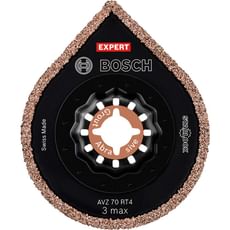
Bosch Expert AVZ 70 RT4 Starlock Oscillating Multi Tool Abrasive and Grout Removal Blade
available
 Loading...
End of content
Error - No more pages to load
About OMT Grout Blades
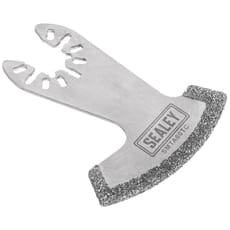
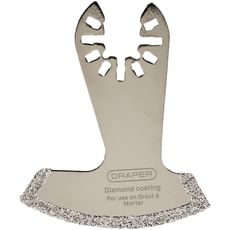
OMT grout blades are specialist oscillating multi-tool accessories designed specifically for removing grout, mortar, and tile adhesive from walls, floors, and other tiled surfaces. These precision blades attach to oscillating multi-tools (OMT) via universal OIS (Oscillating Interface System) or manufacturer-specific fitments like Starlock, enabling rapid back-and-forth cutting motion that efficiently breaks down grout without damaging surrounding tiles. Whether you're removing a single damaged tile, refreshing grouting in a bathroom, or preparing surfaces for re-tiling, the right grout blade makes the difference between a clean, professional finish and damaged ceramic work.
The selection at Tooled-Up.com includes carbide grit blades, diamond-coated segment blades, and specialised radial designs from trusted manufacturers including Bosch Professional, DeWalt, Faithfull, Fein, Draper, Sealey, and Stanley. Carbide grit blades offer excellent value and durability for standard ceramic tiles and cement-based grout, whilst diamond segment blades provide superior performance on harder materials like porcelain and epoxy grout. Some innovative designs combine multiple functions in one blade, featuring tear-drop shapes that allow grout cutting, corner access, and mortar sanding with a single accessory.
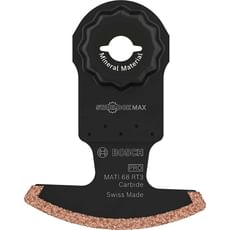
Modern grout removal blades utilise various mounting systems to ensure secure fitment and maximum power transfer. Universal OIS fitments work across multiple tool brands, whilst proprietary systems like Bosch's Starlock and Starlock Max offer tool-free blade changes and enhanced torque transmission. Professional-grade sets often include multiple blade profiles for different stages of tile removal, from initial grout line cutting through to final mortar clean-up.
Jargon Buster
- OIS (Oscillating Interface System): A universal mounting standard that allows oscillating multi-tool blades and accessories to fit across different tool brands, providing flexibility when building your accessory collection.
- Starlock/Starlock Max: Bosch's proprietary tool-free mounting system featuring a 3D star-shaped interface that delivers superior power transfer and eliminates wobble during operation. Starlock Max offers increased torque capacity for demanding applications.
- Carbide Grit: Industrial-grade tungsten carbide particles bonded to the blade surface, providing aggressive cutting action and extended life when working with cement-based grout and standard tile adhesives.
- Diamond Segment Blade: Grout removal blades featuring segments embedded with industrial diamonds, designed for cutting through porcelain tiles, hard stone, and epoxy-based grout that would quickly wear down carbide alternatives.
- Segment Blade: A blade design featuring separate cutting sections (segments) around the edge rather than continuous abrasive coverage, allowing better debris clearance and cooler operation during extended use.
- Oscillation Angle: The degree of side-to-side movement an oscillating tool produces, typically between 2.8° and 4.0°. Larger angles generally provide faster cutting but may require more control.
Who Uses OMT Grout Blades?
- Tilers and ceramic fixers removing damaged tiles or refreshing grout lines in bathrooms, kitchens, and commercial installations
- Bathroom fitters replacing shower enclosures, sanitary ware, and wall tiles during renovation projects
- General builders undertaking refurbishment work involving tile removal and replacement
- Kitchen fitters removing splashback tiles when updating worktops or cabinetry
- Maintenance teams in commercial properties, schools, hospitals, and leisure facilities carrying out ongoing tile repairs
- Property renovators and developers updating tired tiling in investment properties
- DIY enthusiasts tackling home improvement projects involving tile replacement or bathroom refurbishment
- Handyman services offering small-scale tiling repairs and maintenance to domestic and commercial clients
How to Choose the Right OMT Grout Blades
Mounting System Compatibility: First establish which mounting system your oscillating multi-tool uses. Universal OIS blades fit most brands including Bosch, DeWalt, Makita, Milwaukee, and Fein, whilst Starlock blades require compatible Bosch tools. Check your tool's specification or existing accessories to confirm fitment before purchasing.
Abrasive Type: Carbide grit blades available from Tooled-Up provide excellent all-round performance for standard ceramic tiles and cement-based grout at economical prices. Diamond segment blades deliver superior results on porcelain, natural stone, and epoxy grout, though at higher initial cost. Consider the materials you'll encounter most frequently when making your selection.
Blade Profile and Size: Grout removal blades typically range from 65mm to 70mm diameter. Segment blades offer faster cutting and better debris clearance, whilst semi-circular designs provide edge access. Some innovative tear-drop profiles combine cutting, corner work, and sanding capabilities in one blade, ideal for professional tilers undertaking complete tile replacement.
Application Frequency: Occasional DIY users may find universal OIS carbide blades offer the best value, whilst professional tradespeople working daily with tiles should invest in diamond blades and professional blade sets that include multiple profiles for different removal stages. Premium brands like Bosch Professional and Fein offer extended durability under demanding site conditions.
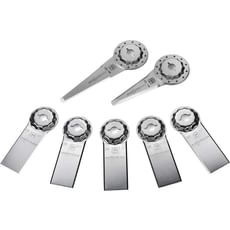
Blade Sets vs Individual Blades: Professional grout removal sets include multiple blade types optimised for different tasks – initial grout cutting, corner access, and final mortar removal. These represent better value for regular users, whilst individual blades suit those needing occasional replacements or specific profiles.
Popular Accessories
- Oscillating multi-tools from Makita, DeWalt, Milwaukee, Bosch, and Fein to power your grout blades
- General-purpose wood and metal cutting blades for versatile multi-tool capability
- Sanding pads and sheets for smoothing surfaces after grout removal
- Dust extraction attachments to minimise airborne particles during grout cutting
- Safety glasses and dust masks for operator protection during tile work
- Grout rakes and manual removal tools for preliminary grout weakening
- Vacuum cleaners with power tool connectivity for on-the-go dust management
- Extension cables and cable reels for 240v power access on site
- Tool storage systems including DeWalt TSTAK and Milwaukee PACKOUT for organised blade and accessory transport
Safety Information
Grout removal generates substantial dust containing silica particles that pose serious respiratory hazards with prolonged exposure. Always wear appropriate respiratory protection rated for fine dust (minimum FFP2 classification), and use extraction where possible. Safety glasses or face shields protect against flying debris, whilst hearing protection is advisable during extended operation as oscillating tools can exceed 85dB.
Ensure adequate ventilation when working indoors, and consider wet cutting methods for particularly dusty materials. Always disconnect tools from the 240v mains supply before changing blades. Inspect blades before use for damage or loose segments that could detach during operation. Follow HSE guidance on workplace exposure limits for respirable crystalline silica (RCS), particularly important for professional tradespeople undertaking regular tile work.
Maintain firm grip and control of the oscillating tool throughout operation, keeping the blade flat against the grout line to prevent tile damage. Allow blades to reach full operating speed before contact with the workpiece, and avoid excessive pressure that can cause premature wear or blade damage.
Frequently Asked Questions
Will universal OIS grout blades fit my oscillating multi-tool?
Universal OIS blades fit the vast majority of modern oscillating multi-tools from brands including Bosch (non-Starlock models), DeWalt, Makita, Milwaukee, Fein (non-Starlock), Metabo, and most budget brands. However, Bosch Starlock tools require Starlock-specific blades for optimal performance, though adapters are sometimes available. Check your tool's documentation or existing accessories to confirm compatibility.
How long will a grout blade last?
Blade life varies considerably depending on material hardness, grout type, and operator technique. A carbide grit blade might remove grout from 5-15 square metres of standard ceramic tiling before requiring replacement, whilst diamond blades can last several times longer. Porcelain tiles and epoxy grout significantly reduce blade life compared to standard ceramic and cement-based grout. Avoid excessive pressure and allow the blade's oscillating action to do the work for maximum longevity.
Can I use grout blades for other applications?
Whilst optimised for grout removal, carbide and diamond blades can tackle similar materials including tile adhesive, thin-set mortar, caulk, and sealant. They're less effective on wood or metal where dedicated cutting blades perform better. Some multi-purpose blade designs combine grout removal with light sanding capability, though dedicated sanding accessories provide superior results for finishing work.
Do I need different blades for wall tiles versus floor tiles?
The tile location (wall or floor) matters less than the tile material and grout type. Floor tiles are often porcelain rather than ceramic and may use epoxy grout for durability, which benefits from diamond segment blades. Standard wall tiles with cement-based grout work well with carbide grit blades. Consider the material composition rather than location when selecting your blade.
Should I use extraction when removing grout?
Absolutely recommended, particularly for professional tradespeople or extensive DIY projects. Grout dust contains crystalline silica that poses serious long-term health risks. Many oscillating multi-tools accept dust extraction attachments, or you can use a vacuum with appropriate filtration positioned near the work area. Combined with respiratory protection, extraction dramatically reduces harmful dust exposure and keeps the work area cleaner.