

OMT Joint Cutters
Pay in 3 interest-free payments on purchases from £30-2000 with  . Learn more.
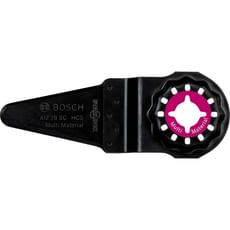
Bosch AIZ 28 SC Universal Starlock Oscillating Multi Tool Soft Material Joint Cutter
available
 Loading...
End of content
Error - No more pages to load
About OMT Joint Cutters
OMT joint cutters are specialised oscillating multi-tool accessories designed specifically for cutting soft materials such as silicone, flexible sealants, expanding foam, and other pliable substances commonly encountered during renovation and installation work. Unlike standard oscillating tool blades that excel at cutting rigid materials like wood or metal, joint cutters feature continuous razor-sharp cutting edges on both sides of the blade and pointed tips that pierce and slice through flexible materials without tearing or deforming them. This makes them indispensable for removing old sealant from around baths, sinks, and windows, or for precision trimming of soft jointing materials.
The range available from Tooled-Up.com includes professional-grade joint cutters compatible with Starlock and Starlock Max mounting systems, ensuring secure blade attachment and optimal power transfer from the oscillating tool body. These accessories typically feature high carbon steel (HCS) construction, providing the rigidity needed to prevent blade flex during cutting whilst maintaining a sharp edge through extended use. The wide blade design characteristic of joint cutters offers excellent control and visibility during detailed work, allowing tradespeople to remove old sealant right down to the substrate without damaging surrounding surfaces.
Professional joint cutters represent a cost-effective solution for tasks that would otherwise require time-consuming manual scraping or risk damaging delicate surfaces. Whether preparing surfaces for new installations, performing maintenance work, or tackling restoration projects, these purpose-designed accessories deliver clean, precise results that simply cannot be achieved with general-purpose oscillating tool blades.
Jargon Buster
- Starlock: A professional tool-free mounting system for oscillating multi-tool accessories featuring a 3D fitting that provides maximum power transfer and prevents blade slippage during operation. Starlock Max is the larger version designed for heavy-duty applications.
- HCS (High Carbon Steel): A blade material offering excellent flexibility and durability, particularly suited to cutting softer materials. HCS blades maintain sharp edges longer than standard steel when used on appropriate materials.
- Oscillating Motion: The rapid side-to-side movement (typically 10,000-20,000 oscillations per minute) that powers multi-tool accessories, allowing controlled cutting without the rotational forces of circular saw blades.
- Continuous Cutting Edge: A blade design featuring sharpened edges along the entire length of both sides, enabling cutting in multiple directions and maximising the usable cutting surface.
- Soft Materials: Pliable substances including silicone sealant, acrylic caulk, expanding foam, flexible grout, and similar compounds that require specialised cutting tools to prevent tearing or deformation.
Who Uses OMT Joint Cutters?
Joint cutters are essential accessories for various trades and professionals working with sealed joints and soft materials:
- Bathroom fitters removing old silicone sealant from baths, showers, and basins before resealing
- Kitchen installers cutting away existing sealant around sinks, worktops, and splashbacks
- Window fitters removing weathered sealant from window frames and glazing units
- General builders tackling renovation projects requiring sealant removal and surface preparation
- Maintenance contractors performing repairs and refurbishment work in commercial and residential properties
- Plasterers and decorators removing expanding foam and preparing surfaces for finishing
- DIY enthusiasts undertaking home improvement projects involving bathrooms, kitchens, or window maintenance
- Property maintenance teams conducting routine repairs and preventative maintenance work
How to Choose the Right OMT Joint Cutters
Selecting the appropriate joint cutter depends on several key factors:
Mounting System Compatibility: Ensure the joint cutter matches your oscillating multi-tool's mounting system. Starlock accessories fit Starlock and Starlock Plus tools, whilst Starlock Max blades require Starlock Max tools. Universal fitment accessories are available but may not provide the same performance as dedicated system-specific blades.
Blade Width: Wider blades (28-32mm) offer greater stability and control for larger joints and extended runs of sealant removal, whilst narrower profiles provide better manoeuvrability in confined spaces. Consider the typical working environments and joint sizes you encounter most frequently.
Blade Length: Standard length joint cutters suit most bathroom and kitchen applications. Long-reach versions (often designated SLC or similar) prove invaluable for accessing deep joints, recessed areas, or working around obstacles where a standard blade cannot reach.
Material Construction: High carbon steel remains the preferred material for joint cutters due to its combination of rigidity and edge retention when working with soft materials. The rigid scraper body prevents unwanted flexing that could damage surrounding surfaces.
Brand Quality: Professional-grade joint cutters from manufacturers like Bosch Professional, featured at Tooled-Up, deliver consistent performance and durability compared to budget alternatives, making them worthwhile investments for trade users.
Popular Accessories
Enhance your joint cutting capabilities with these complementary products:
- Oscillating Multi-Tools: 240v corded or cordless models from Bosch, Makita, Milwaukee, or Fein to power your joint cutters
- Rigid Scraper Blades: For removing stubborn residue after initial joint cutter work
- Sanding Accessories: Triangular and finger sanders for smoothing surfaces after sealant removal
- Silicone Sealant: Fresh sealant and finishing products for completing the job after joint preparation
- Sealant Removal Chemicals: Solvent-based removers that soften stubborn old sealant before mechanical removal
- Surface Preparation Tools: Scrapers, wire brushes, and cleaning materials for achieving perfect adhesion surfaces
- Dust Extraction Adaptors: For connecting your oscillating tool to vacuum systems during cutting operations
Safety Information
Joint cutters feature extremely sharp cutting edges requiring careful handling and appropriate precautions:
Personal Protective Equipment: Always wear safety glasses or goggles to protect against flying debris and sealant particles. Gloves provide hand protection when changing blades and during operation. Consider respiratory protection when working with older sealants that may contain harmful substances or when generating significant airborne particles.
Blade Installation: Ensure the oscillating tool is disconnected from mains power (for 240v models) or the battery is removed (for cordless versions) before installing or removing joint cutters. Verify the blade is securely locked in position before operating the tool.
Work Area: Maintain good lighting and clear visibility of the cutting line. Remove trip hazards and ensure stable footing, particularly when working in bathrooms or other potentially slippery environments. Be mindful of hidden services (pipes, cables) behind surfaces being worked on.
Chemical Hazards: When using sealant removal chemicals in conjunction with joint cutters, ensure adequate ventilation and follow COSHH guidelines. Old silicone sealants may contain fungicides or other substances requiring careful handling during removal.
Frequently Asked Questions
Can I use regular oscillating tool blades to cut silicone sealant?
Whilst standard blades may cut through soft materials, they lack the specialised continuous cutting edge and rigid design of purpose-made joint cutters. This results in tearing rather than clean cutting, poor control, and potential damage to surrounding surfaces. Joint cutters deliver significantly superior results for sealant removal tasks.
How long do joint cutter blades typically last?
Blade life depends on usage intensity and the materials being cut. Professional-grade HCS joint cutters from brands like Bosch Professional can handle numerous bathroom or kitchen installations before requiring replacement. Signs of blade wear include reduced cutting efficiency, increased effort required, and rough rather than clean cuts through sealant.
Are Starlock joint cutters compatible with older oscillating multi-tools?
Starlock accessories require tools with Starlock mounting systems, which are not backwards-compatible with older OIS, OIT, or similar universal mounting designs. However, universal-fit joint cutters remain available for older tool models, though they may not provide the same secure mounting and power transfer as Starlock systems.
What's the difference between standard and long versions of joint cutters?
Long joint cutters (often 50-65mm compared to standard 28-40mm) provide extended reach for accessing deep joints, working around pipework, or cutting in recessed areas where standard blades cannot penetrate sufficiently. The Tooled-Up range includes both configurations to suit different application requirements.
Can joint cutters be used on rigid materials like dried grout or mortar?
Joint cutters are specifically designed for soft, flexible materials and should not be used on hard substances like cured grout or mortar. Attempting to cut rigid materials will rapidly dull the blade and may cause damage. Use appropriate carbide or diamond-grit accessories for hard material removal tasks.