

OMT Plunge Cut Saw Blades
Pay in 3 interest-free payments on purchases from £30-2000 with  . Learn more.
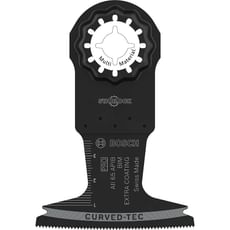
Fein E-Cut BIM Long Life Starlock Oscillating Multi Tool Saw Blade for Wood and Nails
in stock
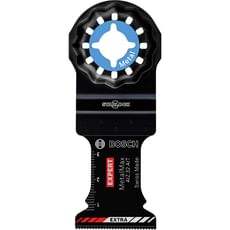
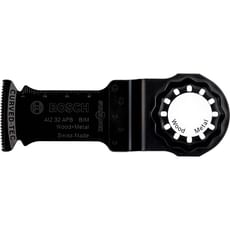
Bosch Expert AIZ 32 AIT Starlock Oscillating Multi Tool Metal Plunge Saw Blade
in stock
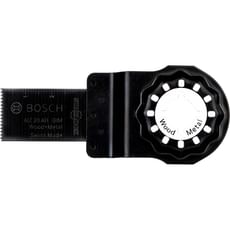
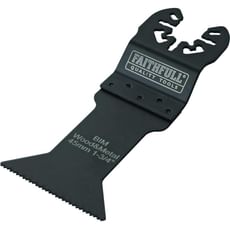
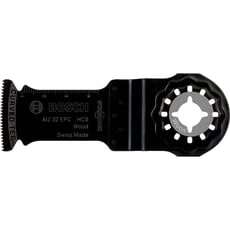
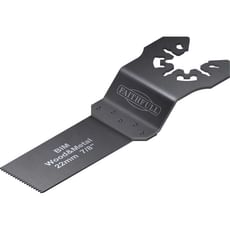
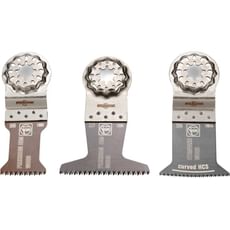
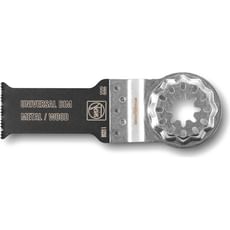
Fein E-Cut Universal Starlock Oscillating Multi Tool Plunge Blade for Metal and Wood
in stock
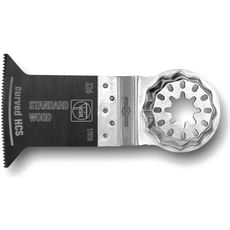
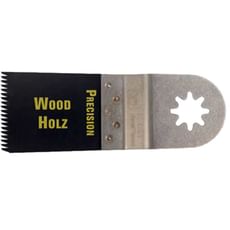
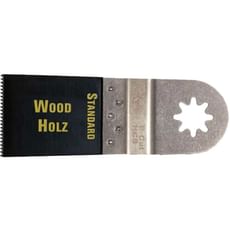
Fein E-Cut HSC Curved Starlock Oscillating Multi Tool Plunge Saw Blade for Wood
in stock
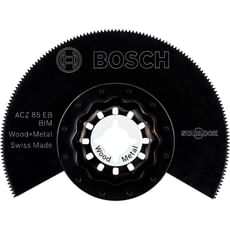
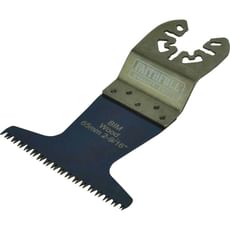
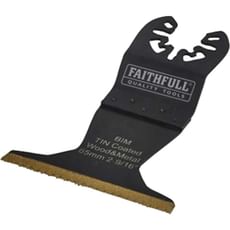
Faithfull BiM OIS Oscillating Multi Tool Premium Hardwood Arc Cut Blade
in stock
 Loading...
End of content
Error - No more pages to load
About OMT Plunge Cut Saw Blades
OMT (Oscillating Multi-Tool) plunge cut saw blades are precision cutting accessories designed for use with oscillating multi-tools, enabling tradespeople and DIY enthusiasts to make accurate flush cuts, plunge cuts, and intricate cutting work in confined spaces. These versatile blades attach to oscillating tools via the Starlock or universal fitting system, oscillating at high frequencies to cut through various materials including wood, metal, plastics, and composite materials. The plunge cutting capability allows users to start cuts in the middle of a material without requiring a pre-drilled hole or edge access, making them invaluable for tasks such as cutting out sections of flooring, trimming door frames, creating openings for electrical boxes, and undercutting architrave.
Tooled-Up.com stocks a comprehensive selection of OMT plunge cut saw blades from leading manufacturers including Bosch Professional and DeWalt, offering different blade materials and tooth configurations optimised for specific applications. High Carbon Steel (HCS) blades excel at cutting softer materials like wood and plastics, whilst Bi-Metal (BIM) blades combine HCS flexibility with High-Speed Steel (HSS) teeth for cutting both wood and non-hardened metals. Specialised blades are available for hard woods, abrasive materials, and metal-specific applications, with various widths ranging from 10mm for detailed work up to 85mm for larger cutting tasks.
The Starlock fitting system, prominently featured in the Bosch Professional range, provides a secure, tool-free blade change mechanism with a three-dimensional tight fit that maximises power transfer and prevents blade slippage during demanding cutting applications. This professional-grade connection system has become an industry standard, ensuring compatibility across many modern oscillating multi-tools whilst delivering superior performance compared to older universal fitting systems.
Jargon Buster
- Starlock: A proprietary three-dimensional fitting system developed by Bosch that provides secure, tool-free blade attachment to oscillating multi-tools. Starlock Plus and Starlock Max variants accommodate larger, more powerful blades for heavy-duty applications.
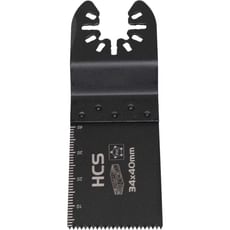
- HCS (High Carbon Steel): A flexible blade material ideal for cutting softer materials such as wood, plasterboard, and plastic. HCS blades offer excellent flexibility to prevent breakage when working on curved cuts or uneven surfaces.
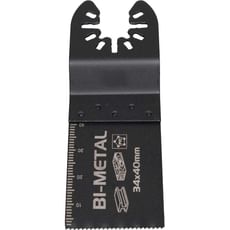
- BIM (Bi-Metal): A composite blade construction combining an HCS body with HSS teeth, providing the flexibility to resist breakage whilst offering the hardness needed to cut through non-hardened metals, nails, screws, and abrasive materials.
- HSS (High-Speed Steel): An extremely hard steel alloy used for blade teeth when cutting metal and other tough materials. HSS maintains its hardness even under the heat generated during cutting operations.
- Plunge Cut: A cutting technique where the blade is inserted directly into the middle of a material surface rather than starting from an edge, eliminating the need for pre-drilled pilot holes.
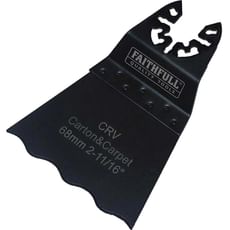
- Segment Saw Blade: A blade featuring a segmented cutting edge rather than continuous teeth, designed to reduce friction and heat build-up whilst efficiently removing material during cutting operations.
Who Uses OMT Plunge Cut Saw Blades?
- Carpenters and joiners – for precise trimming of architrave, skirting boards, door frames, and creating housing joints
- Flooring specialists – cutting and removing damaged floorboards, trimming laminate and engineered wood, and undercutting door frames
- Kitchen and bathroom fitters – creating openings for pipework, cutting worktop sections, and trimming panels in confined spaces
- Electricians – cutting openings for back boxes, trimming cable channels, and removing sections of plasterboard or panelling
- Plumbers – accessing pipework behind walls and floors, cutting through materials around existing installations
- General builders and maintenance professionals – repair and renovation work requiring precise cuts in awkward locations
- Window and door fitters – trimming frames, cutting sealant, and removing old fixings
- DIY enthusiasts – home improvement projects requiring professional-quality cutting results in tight spaces
How to Choose the Right OMT Plunge Cut Saw Blades
Material Compatibility: Match the blade material to your cutting application. Select HCS blades for wood, plasterboard, and plastic work. Choose BIM blades when cutting materials that may contain hidden nails, screws, or staples, or when working with non-hardened metals. For metal-specific tasks, opt for dedicated metal-cutting blades with carbide or HSS teeth.
Blade Width: Consider the cutting depth and accuracy required. Narrow blades (10-20mm) provide excellent control for detailed work and tight corners but have limited cutting depth. Medium widths (32-45mm) offer versatility for general applications. Wider blades (65-85mm) deliver faster cutting in larger materials and improved stability during straight cuts.
Fitting System: Verify compatibility with your oscillating multi-tool. Starlock fittings (standard, Plus, and Max) provide superior performance and tool-free changes on compatible tools from Bosch, Fein, and other manufacturers. Universal OIS fittings work with most oscillating tools but may not deliver the same power transfer efficiency.
Tooth Configuration: Different tooth patterns suit different materials. Coarse teeth cut faster through softwoods and remove material quickly. Fine teeth produce smoother finishes in hardwoods and prevent splintering in laminates. Wavy-set teeth reduce friction when cutting metal, whilst segmented designs minimise heat build-up in demanding applications.
Durability Requirements: For professional tradespeople completing multiple cuts daily, invest in premium BIM or carbide-tipped blades available at Tooled-Up that offer extended service life. DIY users undertaking occasional projects may find standard HCS blades provide adequate durability at economical prices.
Brand and Quality: The Tooled-Up range includes premium blades from Bosch Professional and DeWalt, brands renowned for engineering precision and consistent performance. Genuine manufacturer blades undergo rigorous quality control and deliver reliable results compared to generic alternatives.
Popular Accessories
- Oscillating Multi-Tools – corded 240v or cordless battery-powered models from Bosch, DeWalt, Milwaukee, Makita, and Fein
- OMT Sanding Attachments – triangular and rectangular sanding pads for surface preparation and finishing
- OMT Scraper Blades – rigid and flexible scrapers for removing adhesives, sealants, paint, and floor coverings
- OMT Grout Removal Blades – carbide-coated blades specifically designed for removing tile grout
- Blade Storage Cases – organised storage solutions protecting blades from damage between uses
- Extraction Adapters – dust collection attachments connecting to vacuum systems for cleaner working environments
- Depth Stops and Cutting Guides – accessories ensuring consistent cutting depths and improved accuracy
- Replacement Battery Packs – additional batteries ensuring uninterrupted workflow on cordless oscillating tools
Safety Information
Always disconnect oscillating multi-tools from 240v mains power or remove battery packs before changing blades. Inspect blades for damage, cracks, or excessive wear before each use, replacing compromised blades immediately to prevent breakage during operation. Wear appropriate PPE including safety glasses or goggles to protect against flying debris, and consider dust masks or respirators when cutting materials that generate harmful dust.
Ensure the workpiece is securely clamped or supported to prevent movement during cutting. Maintain a firm two-handed grip on the tool and keep hands and body parts clear of the cutting area. Be particularly cautious when making plunge cuts, as the blade enters the material blind – check for hidden pipes, cables, or fixings before commencing cuts in walls, floors, or existing structures.
Allow blades to reach full operating speed before contacting the workpiece, and never force the tool – let the blade do the work at its own pace. Blades and workpieces become extremely hot during cutting operations; allow adequate cooling time before touching or changing blades. Follow HSE guidelines for safe use of power tools, and consult the tool manufacturer's instructions regarding maximum blade sizes and compatible accessories.
Frequently Asked Questions
Are Starlock blades compatible with all oscillating multi-tools?
Starlock blades fit oscillating multi-tools equipped with the Starlock fitting system, available on many modern tools from manufacturers including Bosch, Fein, and others. Older tools with universal OIS fittings require universal-fit blades. Some Starlock tools include adapters for backwards compatibility with universal accessories, but dedicated Starlock blades provide superior performance on compatible tools.
What's the difference between HCS and BIM blades?
HCS (High Carbon Steel) blades offer excellent flexibility and are ideal for cutting wood, plasterboard, and plastic. BIM (Bi-Metal) blades combine flexible HCS bodies with hard HSS teeth, enabling them to cut both wood and non-hardened metals without damage. BIM blades cost more but provide versatility and extended life when working with materials that may contain hidden fixings or when cutting abrasive materials.
How long should an OMT plunge cut blade last?
Blade longevity depends on the materials being cut, cutting frequency, and blade quality. Premium BIM blades from manufacturers like Bosch Professional can complete hundreds of cuts in softwood, whilst cutting abrasive materials or metals significantly reduces service life. Signs requiring blade replacement include difficulty cutting, excessive vibration, burning smells, or visible tooth damage.
Can I sharpen OMT plunge cut saw blades?
OMT blades are generally considered consumable items and are not designed for sharpening. The teeth are too small and numerous for practical resharpening, and the cost of new blades typically makes replacement more economical than attempting restoration. Focus instead on selecting appropriate blades for each material and replacing them when performance deteriorates.
What blade width should I choose for cutting floorboards?
For cutting floorboards, 32-45mm width blades provide an excellent balance between cutting depth and control. These widths typically cut through standard 18-22mm floorboards comfortably whilst remaining manoeuvrable in confined spaces. Wider 65mm blades offer faster cutting and better stability for straight cuts in thicker materials, whilst narrower blades suit detailed work around pipes and corners.