

OMT Roofing Blades

Pay in 3 interest-free payments on purchases from £20-£3000 with  . Learn more.
 Loading...
End of content
Error - No more pages to load
About OMT Roofing Blades
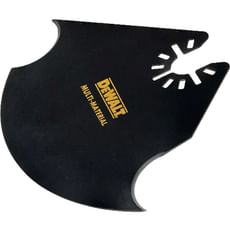
OMT (Oscillating Multi-Tool) roofing blades are specialist cutting accessories designed specifically for roofing work and related applications. These precision-engineered blades attach to oscillating multi-tools and provide fast, controlled cutting through challenging roofing materials including asphalt shingles, bitumen felt, membrane systems, and associated substrates. The oscillating action delivers clean cuts without the dust and debris associated with rotary cutting methods, making them ideal for repair work, renovation projects, and new installations where precision matters.
Unlike standard multi-tool blades, roofing blades feature aggressive tooth configurations and robust construction to withstand the abrasive nature of roofing materials. Many feature carbide grit edges or reinforced teeth that maintain their cutting performance through materials that would quickly dull conventional blades. The range at Tooled-Up.com includes premium options from manufacturers like DeWalt, designed to fit all common oscillating tool systems thanks to universal mounting interfaces that comply with OIS (One Interface System) standards.
Beyond roofing materials, these versatile blades excel at cutting carpet, vinyl flooring, foam insulation, cardboard, and other site materials frequently encountered during roofing projects. This multi-material capability makes them invaluable additions to any roofer's tool kit, reducing the need to carry multiple cutting tools when working at height or in confined spaces.
Jargon Buster
- OIS (One Interface System): A universal mounting standard that allows blades and accessories from different manufacturers to fit various brands of oscillating multi-tools, eliminating compatibility concerns.
- Oscillating Action: The rapid side-to-side movement (typically 10,000-20,000 oscillations per minute) that creates the cutting action in multi-tools, providing controlled cuts with minimal kickback.
- Carbide Grit Edge: A cutting edge coated with extremely hard carbide particles that provides extended durability when cutting abrasive materials like roofing shingles and fibreglass.
- Multi-Material Blade: A blade designed with tooth geometry and construction that allows effective cutting across various material types without requiring blade changes between different substrates.
- Tool-Free Blade Change: A quick-release system that allows blade swapping without spanners or Allen keys, essential for maintaining productivity when working at height.
- Plunge Cutting: The ability to start a cut in the middle of material rather than from an edge, particularly useful for creating openings in existing roofing for vents or repairs.
Who Uses OMT Roofing Blades?
- Roofers and Roofing Contractors: Professional tradespeople specialising in roof installation, repair, and maintenance work across residential and commercial properties
- General Builders: Contractors undertaking renovation and extension projects that include roofing elements or roof repairs as part of broader building work
- Property Maintenance Teams: Facilities management professionals responsible for maintaining commercial, industrial, and residential building portfolios
- Flat Roofing Specialists: Tradespeople working specifically with membrane systems, felt roofing, and flat roof installations where precise cutting is essential
- Carpenters and Joiners: Tradespeople who frequently work alongside roofing materials during loft conversions, dormer installations, and timber frame construction
- DIY Enthusiasts: Homeowners tackling shed roofing, garage repairs, or minor roof maintenance projects requiring professional-quality cutting performance
- Flooring Installers: Professionals who utilise the multi-material capability for cutting vinyl, carpet, and underlay materials
How to Choose the Right OMT Roofing Blades
Selecting the appropriate roofing blade starts with verifying compatibility with your oscillating multi-tool. Tooled-Up stocks blades featuring OIS universal mounting systems that fit tools from DeWalt, Makita, Milwaukee, Bosch, Fein, and other major manufacturers. Always check your tool's specifications to confirm it accepts universal accessories, though most modern oscillating tools manufactured after 2010 support this standard.
Consider the primary materials you'll be cutting. Dedicated roofing blades with carbide grit edges deliver superior longevity when working predominantly with asphalt shingles and abrasive roofing materials. If you require versatility across roofing work and other site tasks, multi-material blades offer excellent all-round performance through roofing membranes, insulation, flooring materials, and general site substrates.
Blade width affects cutting speed and manoeuvrability. Wider blades (50-65mm) remove more material per pass, speeding work on straight cuts and large areas. Narrower profiles provide better control for detailed work around roof penetrations, valleys, and edges. Professional roofers typically maintain both options in their kit.
Build quality directly impacts blade life and cutting performance. Premium blades feature reinforced construction, heat-treated teeth, and robust mounting plates that resist the twisting forces encountered during heavy-duty cutting. While budget options may appear similar, they often dull quickly or fail prematurely when faced with demanding roofing materials, ultimately costing more through frequent replacements and reduced productivity.
Popular Accessories
- Oscillating Multi-Tools: Cordless and corded power tools from DeWalt, Makita, Milwaukee, and Bosch that provide the power source for roofing blades
- Multi-Tool Blade Sets: Comprehensive assortments including roofing blades alongside wood-cutting, scraping, and sanding accessories for complete project coverage
- Replacement Batteries: Additional lithium-ion battery packs ensuring uninterrupted work when using cordless oscillating tools at height
- Multi-Tool Dust Extraction Attachments: Vacuum adapters that connect oscillating tools to dust extractors for cleaner working conditions
- Blade Storage Cases: Organised storage solutions protecting sharp edges and keeping blade collections accessible on site
- Work Gloves: Cut-resistant hand protection from manufacturers like DeWalt and Portwest, essential when handling sharp roofing materials and blades
- Knee Pads: Comfortable knee protection for extended periods working on pitched roofs or flat roofing installations
Safety Information
Always disconnect power tools from their electricity supply or remove batteries before changing blades to prevent accidental activation. Ensure roofing blades are securely mounted and properly seated before operation—loose blades can detach during use, creating serious injury risks. Wear appropriate eye protection when cutting roofing materials, as the oscillating action can project small particles despite generating less dust than rotary cutting methods.
Work at height requires additional precautions. Ensure proper fall protection equipment is in place before using power tools on roofs, and maintain secure footing at all times. Roofing materials can become slippery when wet or covered in cuttings, so regularly clear your work area. Never overreach when cutting—reposition yourself rather than stretching beyond your stable working zone.
Inspect blades before each use for damage, missing teeth, or cracks that could cause failure during operation. Replace worn or damaged blades immediately—dull blades require excessive pressure that reduces control and increases accident risk. Follow HSE guidance for power tool use, and consult material safety data sheets when cutting materials that may contain hazardous fibres or coatings.
Frequently Asked Questions
Will these roofing blades fit my oscillating multi-tool?
Most roofing blades available at Tooled-Up feature OIS (One Interface System) universal mounting that fits all common oscillating tools manufactured after 2010, including models from DeWalt, Makita, Milwaukee, Bosch, Fein, and others. Check your tool's documentation to confirm it accepts universal accessories, though compatibility is standard across modern oscillating multi-tools.
How long does a roofing blade typically last?
Blade life varies considerably based on material hardness, cutting technique, and blade quality. Premium carbide-grit roofing blades can cut through several hundred linear metres of asphalt shingles before requiring replacement. Cutting particularly abrasive materials or applying excessive pressure significantly reduces lifespan. Professional roofers typically assess blade condition throughout the working day and replace when cutting efficiency noticeably decreases.
Can I use roofing blades for other materials?
Yes, multi-material roofing blades excel at cutting carpet, vinyl flooring, foam insulation, cardboard, underlay materials, and various site substrates. This versatility makes them valuable for general site work beyond dedicated roofing applications. However, they're not suitable for cutting metal, masonry, or hardwoods—these materials require specialist blade types designed for their specific properties.
What's the difference between roofing blades and standard wood-cutting blades?
Roofing blades feature more aggressive tooth patterns or carbide grit edges designed to cut through abrasive, fibrous roofing materials without rapid dulling. Standard wood-cutting blades have finer teeth optimised for clean cuts in timber but wear quickly when used on asphalt shingles or similar materials. Using the correct blade type for your material ensures optimal performance and longevity.
Do I need a cordless or corded multi-tool for roofing work?
Cordless oscillating tools offer superior convenience for roofing work, eliminating trailing cables that create trip hazards on pitched roofs and simplifying movement around roof structures. Modern lithium-ion batteries from manufacturers like DeWalt and Milwaukee provide sufficient runtime for most roofing projects. However, ensure you maintain charged spare batteries for extended work. Corded tools suit workshop-based cutting or ground-level preparation work where mains power is readily accessible.