

OMT Segment Saw Blades

Pay in 3 interest-free payments on purchases from £20-£3000 with  . Learn more.

 Loading...
End of content
Error - No more pages to load
About OMT Segment Saw Blades
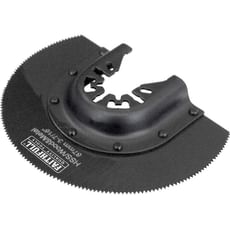
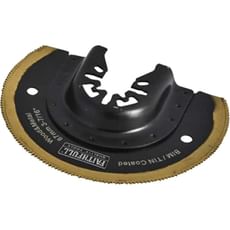
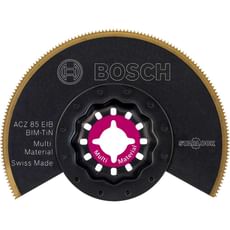
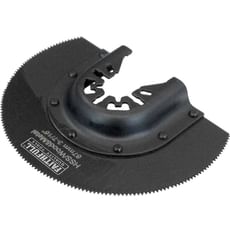
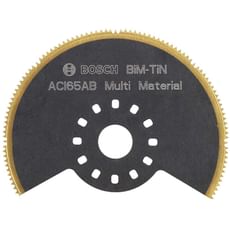
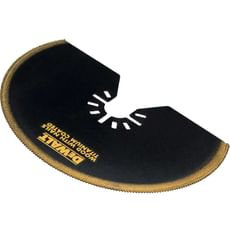
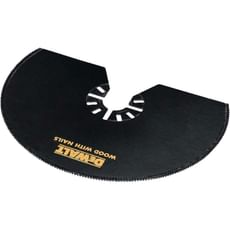
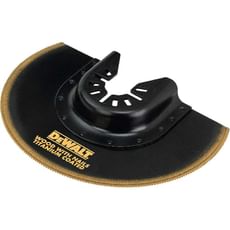
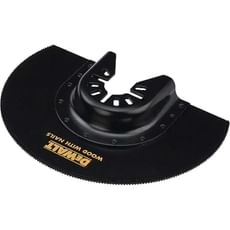
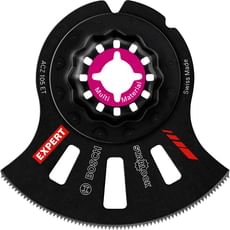
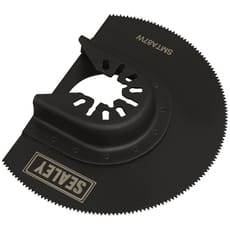
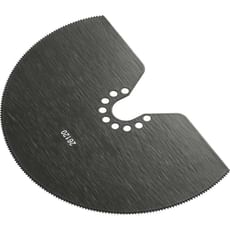
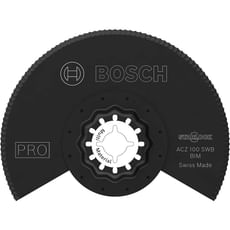
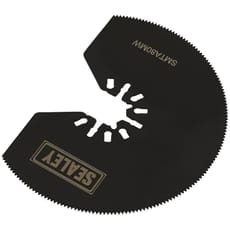
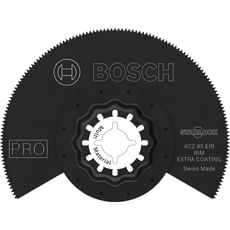
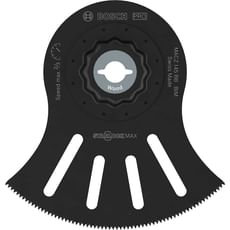
OMT segment saw blades, also known as oscillating multi-tool segment blades, are specialised cutting accessories designed for use with oscillating multi-tools. These versatile blades feature a distinctive segmented or toothed cutting edge arranged in a semi-circular pattern, making them ideal for flush cutting, plunge cutting, and accessing tight spaces where conventional saws cannot reach. The segmented design helps to reduce heat build-up during operation whilst efficiently clearing debris from the cutting path, resulting in cleaner cuts and extended blade life across a variety of materials.
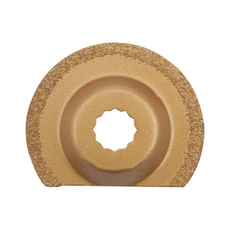
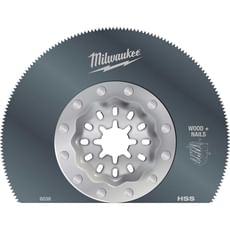
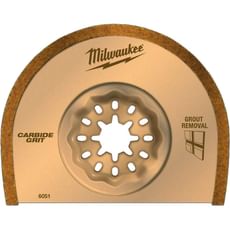
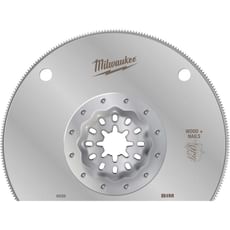
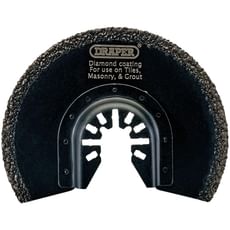
Tooled-Up.com stocks a comprehensive range of OMT segment saw blades from leading manufacturers including Bosch Professional, Milwaukee, DeWalt, and Faithfull. These blades are engineered to tackle diverse cutting applications, from wood and metal to masonry, grout, and plasterboard. Different blade compositions are available to suit specific tasks: bi-metal blades (HCS/HSS combination) offer durability for cutting wood with embedded nails, carbide-grit blades excel at abrasive materials like tiles and grout, whilst diamond-grit variants are optimised for masonry and cement board. The width of segment blades typically ranges from 70mm to 145mm, with wider blades enabling faster material removal and deeper cuts in door frames, skirting boards, and flooring.
Modern OMT segment saw blades utilise tool-free mounting systems such as Starlock, Starlock Max, and universal multi-tool fitments, allowing for rapid blade changes on site without additional tools. The Starlock system has become particularly popular amongst professional tradespeople due to its secure three-dimensional connection that maximises power transfer and virtually eliminates blade wobble during operation. Whether you're undertaking renovation work, installing kitchen units, or carrying out emergency plumbing repairs, segment saw blades provide the controlled cutting performance essential for professional results.
Jargon Buster
- Starlock/Starlock Max: A proprietary tool-free blade mounting system developed by Bosch featuring a three-dimensional connection interface that provides superior power transfer and stability. Starlock Max is designed for higher-powered multi-tools and accepts wider, more robust blades.
- Bi-Metal Construction: A blade manufacturing technique that welds a strip of HSS (high-speed steel) onto an HCS (high carbon steel) base body, combining flexibility with cutting durability. This construction is ideal for cutting wood containing nails or screws.
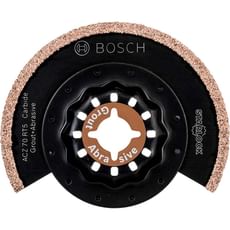
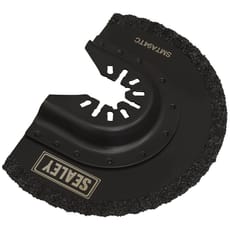
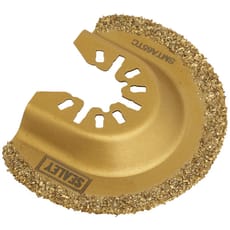
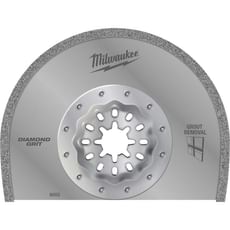
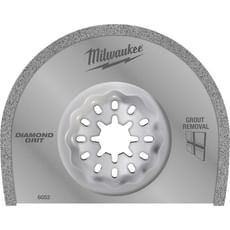
- Carbide-Grit Edge: Segment blades coated with tungsten carbide particles that provide aggressive cutting action on abrasive materials such as tile grout, fibreglass, and cement board without rapid tooth wear.
- Flush Cutting: The ability to cut materials precisely level with an adjacent surface, such as trimming door architrave flush with the floor or cutting off protruding dowels.
- Plunge Cutting: Starting a cut in the middle of a material rather than from an edge, commonly required when cutting out sections of plasterboard or creating openings for electrical boxes.
- TiN Coating: Titanium nitride coating applied to blade teeth that reduces friction, minimises heat build-up, and extends cutting life, particularly beneficial when working with metal materials.
Who Uses OMT Segment Saw Blades?
OMT segment saw blades are essential tools for a diverse range of trades and applications:
- Carpenters and joiners – trimming door frames, cutting architrave, removing damaged sections of wooden flooring, and precision cutting in furniture installation
- Plumbers – cutting access holes in floors and walls, trimming copper and plastic pipes flush with surfaces, removing grout around damaged tiles
- Electricians – creating openings for back boxes and cable routes, cutting through plasterboard and timber studs during installation work
- Kitchen and bathroom fitters – cutting worktops, trimming door frames for new flooring levels, removing old sealant and grout, fitting splashbacks
- General builders and maintenance professionals – renovation work, remedial repairs, cutting through multiple material types in refurbishment projects
- Flooring specialists – undercutting door casings, trimming skirting boards, removing sections of damaged laminate or engineered wood flooring
- Window fitters – cutting sills, trimming internal reveals, removing old sealant and adhesive residues
- DIY enthusiasts – home improvement projects, furniture assembly modifications, general maintenance and repair tasks
How to Choose the Right OMT Segment Saw Blades
Selecting the appropriate segment saw blade depends on several key factors that will determine cutting performance and blade longevity:
Material Compatibility: Identify the primary materials you'll be cutting. Wood and soft plastics require HCS (high carbon steel) blades, whilst bi-metal blades suit wood with embedded fixings. For tile grout, fibreglass, and cement board, carbide-grit blades deliver optimal results. Diamond-grit blades are necessary for masonry, stone, and hard ceramics.
Blade Width: Wider segment blades (100-145mm) provide faster cutting speeds and are better suited to larger cuts in door frames, floor joists, and skirting boards. Narrower blades (70-85mm) offer improved manoeuvrability in confined spaces and are ideal for detailed work around pipework and in corner applications.
Mounting System: Verify compatibility with your oscillating multi-tool. Starlock and Starlock Max systems from Bosch Professional offer the most secure connection and fastest blade changes, whilst universal fitment blades work across multiple tool brands. Check whether your tool requires Starlock, Starlock Plus, or accepts universal attachments before purchasing.
Cutting Depth Requirements: The segment radius determines maximum cutting depth. Consider the typical material thicknesses you encounter – deeper cuts in structural timber require larger diameter blades, whilst finish carpentry and trim work can utilise more compact options.
Professional vs DIY Use: Trade professionals working on multiple daily cuts benefit from premium blades with TiN coatings and reinforced construction available from brands like Bosch Expert, Milwaukee, and DeWalt. Occasional users may find standard-grade blades from Faithfull or Draper provide adequate performance at a lower cost per blade.
Tooth Configuration: Aggressive tooth patterns remove material quickly but leave rougher edges, suitable for structural work and demolition. Finer tooth configurations produce cleaner cuts ideal for visible surfaces and finish work requiring minimal sanding.
Popular Accessories
Maximise the versatility and performance of your oscillating multi-tool system with these complementary products available from Tooled-Up:
- OMT Scraper Blades: Rigid and flexible scrapers for removing adhesives, sealants, paint, and floor coverings
- OMT Sanding Pads: Triangular and finger-shaped pads with hook-and-loop backing for detail sanding in corners and profiles
- Assorted Grit Sanding Sheets: From 60 to 240 grit for progressive surface preparation and finishing
- Dust Extraction Adaptors: Connect your multi-tool to workshop vacuum systems for cleaner working conditions
- Grout Removal Blades: Specialist narrow carbide or diamond blades designed specifically for removing tile grout without damaging adjacent tiles
- Blade Storage Cases: Organised storage solutions to protect blades and keep different types readily identifiable
- Multi-Tool Batteries and Chargers: Spare power sources to maintain productivity on cordless models throughout the working day
- Universal Multi-Tool Adaptors: Enable use of different mounting system blades on your existing tool platform
Safety Information
Operating oscillating multi-tools with segment saw blades requires adherence to proper safety protocols to prevent injury:
Personal Protective Equipment: Always wear safety glasses or goggles to protect against flying debris and dust particles. Use hearing protection during extended cutting sessions, as oscillating tools can generate significant noise levels. Wear appropriate work gloves to maintain secure tool control, and consider respiratory protection when cutting materials that produce fine dust, particularly when working with treated timber or masonry products.
Blade Inspection and Installation: Examine blades before each use for damage, cracks, or worn teeth. Never use damaged blades as they may shatter during operation. Ensure blades are correctly seated in the mounting system and fully secured before switching on the tool. Allow the tool to reach full operating speed before contacting the workpiece.
Safe Operating Practices: Maintain a firm two-handed grip on the multi-tool whenever possible, keeping hands clear of the cutting path. Never force the blade through material – allow the oscillating action to do the work. Be particularly cautious when plunge cutting, as the blade may suddenly break through the material. When flush cutting against floors or walls, check for hidden services such as electrical cables and water pipes before commencing work.
Electrical Safety: For 240v corded models, inspect cables regularly for damage and use an RCD (residual current device) when working outdoors or in damp conditions. Disconnect the power source or remove the battery before changing blades or making adjustments.
Material Hazards: Be aware that certain materials release harmful dust when cut. Asbestos-containing materials require specialist removal procedures and should never be cut with standard multi-tools. When cutting treated timber, work in well-ventilated areas and follow COSHH guidelines. Cutting metal generates sharp swarf – clear this carefully to avoid lacerations.
Frequently Asked Questions
What's the difference between Starlock and universal fitment segment blades?
Starlock is a proprietary three-dimensional mounting system that provides superior blade stability, maximum power transfer, and tool-free blade changes in seconds. Universal fitment blades use a simpler interface compatible with multiple tool brands but may experience slightly more vibration and require an Allen key or screwdriver for mounting. Starlock blades are brand-specific (primarily Bosch Professional) whilst universal blades offer cross-compatibility with DeWalt, Milwaukee, Makita, and other manufacturers' tools.
How long should an OMT segment saw blade last?
Blade longevity varies significantly based on materials being cut, cutting technique, and blade quality. A premium bi-metal blade might complete 50-100 cuts through standard softwood timber before requiring replacement, whilst carbide-grit blades cutting abrasive materials like tile grout may last for 10-20 linear metres of cutting. Professional tradespeople typically consider blades consumable items and stock multiple spares, replacing them at the first sign of reduced cutting efficiency rather than persisting with worn blades that increase job time and produce poor results.
Can I use OMT segment saw blades to cut metal pipes and profiles?
Yes, but blade selection is critical. Standard HCS wood-cutting blades will quickly fail when cutting metal. Choose bi-metal blades with HSS cutting edges or specialised metal-cutting segment blades with appropriate tooth configurations. These handle copper pipes, steel fixings, aluminium profiles, and thin sheet metal effectively. For thicker structural steel or cast iron, consider alternative cutting methods as oscillating tools have limited depth capacity and cutting speeds in heavy metals.
Why does my segment blade get extremely hot during use?
Excessive heat generation typically indicates either blade bluntness, incorrect blade selection for the material, or applying too much pressure during cutting. Allow the oscillating action to do the work – forcing the blade generates friction rather than effective cutting. Ensure adequate blade projection beyond the material to prevent binding. When cutting dense or abrasive materials, work in short intervals allowing the blade to cool, and consider upgrading to blades with TiN coatings that reduce friction and heat build-up.
Are wider segment blades always better for faster cutting?
Not necessarily. Whilst wider blades (100-145mm) do remove more material per oscillation and work well for straight cuts in accessible areas, they require more motor power and can be unwieldy in confined spaces. For cutting around pipework, in corners, or where manoeuvrability matters, narrower blades (70-85mm) often prove more practical despite slower material removal rates. Match blade width to both your specific application and your multi-tool's power output – underpowered tools struggle with oversized blades, resulting in reduced oscillation speed and poor cutting performance.