

Open Ended Spanners

Pay in 3 interest-free payments on purchases from £20-£3000 with  . Learn more.
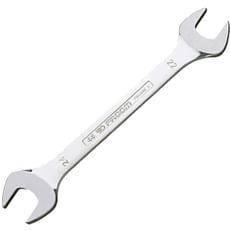
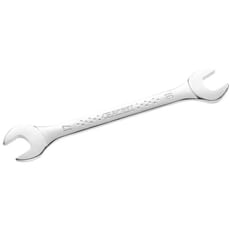
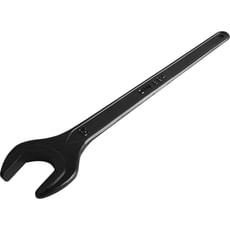


 Loading...
End of content
Error - No more pages to load
About Open Ended Spanners
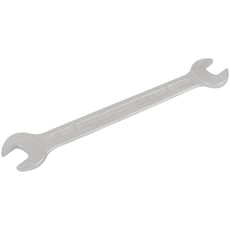
Open ended spanners are among the most versatile and essential hand tools in any tradesperson's toolkit. Characterised by their U-shaped jaws at one or both ends, these spanners provide quick access to fasteners in tight spaces where other tools cannot fit. Unlike ring spanners or ratchet spanners, open ended spanners can be slid onto a nut or bolt head from the side, making them invaluable when there's limited vertical clearance or when working with long threaded rods where a closed-end tool cannot be positioned.
The selection at Tooled-Up.com encompasses single and double-ended configurations across metric, imperial, and specialist sizing systems. From compact midget spanners for delicate engineering work to extended-reach models for accessing recessed fasteners, these tools are manufactured from high-grade chrome vanadium steel or similar alloys to deliver exceptional strength and durability. Professional-grade options from brands including Facom, Elora, Draper, and Wera feature precision-machined jaws with strict tolerances to minimise the risk of rounding bolt heads, whilst VDE insulated variants provide essential protection for electrical work.
Whether you require a comprehensive spanner set for general workshop use, specialist bicycle pedal spanners, or safety-compliant VDE tools for live electrical installations, the right open ended spanner significantly improves working efficiency and reduces the risk of fastener damage. Many tradespeople maintain both metric and imperial sets to accommodate diverse fixing standards encountered across different equipment and applications.
Jargon Buster
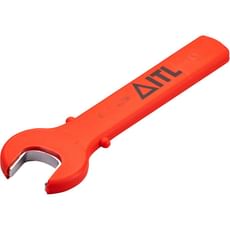
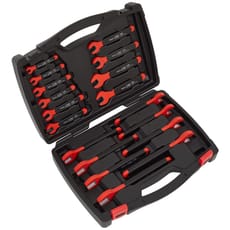
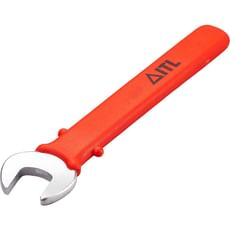
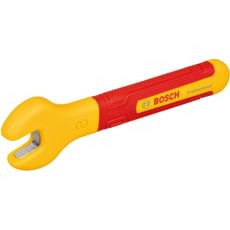
- VDE Insulated: Spanners that meet German VDE standards for electrical safety, featuring insulated handles tested to withstand voltages up to 1000V AC (240v domestic work and higher). Essential for electricians and anyone working near live electrical components.
- Chrome Vanadium (Cr-V): A steel alloy combining chromium and vanadium that delivers superior strength, durability and resistance to wear compared to standard carbon steel. The material of choice for professional-grade spanners.
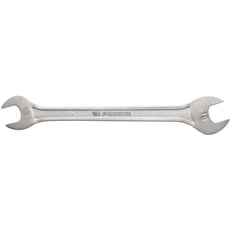
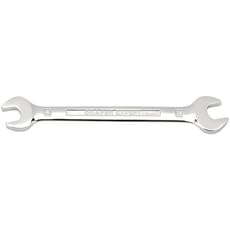
- Double-Ended: Spanners featuring different sizes at each end, typically adjacent sizes in a sequence (such as 10mm and 11mm), allowing one tool to service two fastener dimensions and reducing the number of individual tools required.
- Midget Spanners: Compact open ended spanners designed for small fasteners in confined spaces, commonly used in instrument work, electronics, model engineering and bicycle maintenance.
- BA (British Association): A historic thread standard still encountered on older British equipment, telecommunications hardware and model engineering applications, requiring specialist BA-sized spanners.
- DIN/ISO Standards: International manufacturing standards that define spanner dimensions, tolerances and performance requirements, ensuring consistent quality and proper fitment across different brands.
Who Uses Open Ended Spanners?
- Motor Mechanics and Vehicle Technicians: For accessing automotive fasteners, brake components, engine assemblies and chassis fixings where space constraints prevent ring spanner use
- Plant and Maintenance Engineers: Servicing industrial machinery, hydraulic systems, conveyor equipment and production line installations
- Plumbers and Heating Engineers: Working with compression fittings, radiator valves, boiler connections and pipework installations
- Electricians: Particularly VDE insulated versions for work on electrical panels, distribution boards and equipment where live exposure risks exist
- Agricultural Engineers: Maintaining farm machinery, tractors and agricultural equipment often in field conditions
- Bicycle Mechanics: Using specialist pedal spanners and compact models for cycle assembly and maintenance
- General Construction Tradespeople: For structural steelwork, scaffolding erection, formwork assembly and general site fabrication
- DIY Enthusiasts and Home Maintainers: Tackling domestic repairs, flat-pack furniture assembly and general household maintenance tasks
- HVAC Technicians: Installing and servicing air conditioning units, ventilation systems and refrigeration equipment
How to Choose the Right Open Ended Spanners
Measurement System: Determine whether you require metric (mm), imperial (inches), or specialist sizing such as BA or Whitworth. Modern equipment typically uses metric fasteners, whilst older British machinery and American equipment may require imperial sizes. Many professionals maintain both systems to ensure comprehensive coverage.
Individual Tools or Sets: Complete spanner sets from manufacturers like Facom, Draper Expert and Elora offer better value and ensure you have the full size range immediately available. However, individual spanners allow you to replace lost tools or add specific sizes to your existing collection. Tooled-Up stocks both configurations to suit different requirements and budgets.
Quality and Manufacturing Standards: Professional-grade spanners manufactured to DIN or ISO standards deliver superior jaw accuracy, reducing the risk of fastener damage. Chrome vanadium construction provides longevity under demanding use, whilst mirror-polished finishes resist corrosion and facilitate easy cleaning.
Specialist Applications: Consider whether you need VDE insulated spanners for electrical work (essential for compliance with HSE electrical safety requirements), extra-long reach variants for recessed fasteners, or compact midget spanners for precision engineering. Specialist tools like bicycle pedal spanners feature specific jaw angles and thicknesses optimised for their intended application.
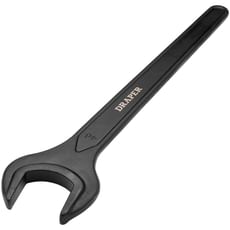
Handle Configuration: Double-ended spanners maximise versatility whilst minimising tool count, though single-ended versions often provide better leverage for stubborn fasteners. Some professionals prefer single-ended tools where maximum torque application is anticipated.
Brand Reputation: Established manufacturers including Wera, Bahco, Knipex and Stanley maintain strict quality control and offer warranties supporting their products. Professional brands available from Tooled-Up typically feature tighter manufacturing tolerances and superior material specifications compared to budget alternatives.
Popular Accessories
- Tool Rolls and Spanner Organisers: Keep your spanner collection organised, protected and easily transportable between job sites
- Combination Spanner Sets: Complement your open ended spanners with combination designs featuring a ring end for improved purchase on stubborn fasteners
- Adjustable Spanners: Provide versatility when encountering non-standard or damaged fastener sizes beyond your fixed spanner range
- Socket Sets: Offer an alternative fastening solution where access permits, often providing better torque transfer and reduced rounding risk
- Penetrating Oils and Release Sprays: Essential for releasing seized or corroded fasteners before applying spanners
- Torque Wrenches: When precise tightening specifications must be achieved, particularly on critical fastenings in automotive and engineering applications
- Tool Storage Systems: Including Stanley FatMax, DeWalt TSTAK and Milwaukee PACKOUT modular storage for workshop and mobile organisation
- Work Gloves: Protect hands whilst maintaining dexterity when applying force to spanners
Safety Information
Correct Size Selection: Always use the precisely correct spanner size for each fastener. Undersized or oversized spanners slip under load, potentially causing rounded fastener heads, tool damage and hand injuries. The spanner jaws should fit snugly without excessive play.
VDE Compliance for Electrical Work: When working on or near electrical installations, only use properly certified VDE insulated spanners tested to withstand accidental contact with live conductors. Standard spanners conduct electricity and present serious electrocution risks near 240v supplies or higher voltages. Regularly inspect insulation for damage, cracks or deterioration.
Proper Leverage and Force Application: Pull rather than push spanners wherever possible to maintain better control if the fastener suddenly releases. Avoid using excessive force or extending spanner handles with pipes or other tools, as this exceeds the tool's design limits and may cause sudden failure.
Tool Condition Inspection: Before use, examine spanner jaws for wear, spreading, cracks or damage that might cause slippage. Worn or damaged spanners should be withdrawn from service immediately as they compromise both work quality and personal safety.
Working at Height: When using spanners on elevated work platforms, scaffolding or ladders, use tool lanyards to prevent dropped tools causing injuries to personnel below. Follow HSE guidance on tool security when working at height.
Frequently Asked Questions
What's the difference between open ended and combination spanners?
Open ended spanners feature U-shaped jaws at one or both ends, allowing them to slide onto fasteners from the side. Combination spanners have an open end at one side and a closed ring end at the other, with the ring providing better grip and torque transfer whilst the open end offers quick repositioning. Many tradespeople carry both types to maximise versatility across different access situations.
Can I use metric spanners on imperial fasteners or vice versa?
Whilst some metric and imperial sizes appear similar (such as 13mm and 1/2"), using the wrong measurement system inevitably creates imprecise fit that damages both fastener and tool. Always use the correct measurement system for your fasteners. Some??????coincidental sizes may appear to work temporarily but will round bolt heads under torque.
Why do open ended spanners have angled jaws?
Most quality open ended spanners feature jaws set at 15 degrees to the handle axis. This offset allows the spanner to be flipped over after each swing in restricted spaces, effectively doubling the working arc available. Without this angle, you could only rotate the fastener through the small arc your knuckles permit before repositioning.
How do I prevent rounding bolt heads when using open ended spanners?
Ensure you're using the precisely correct size with the spanner jaws fully engaged on the fastener flats. Position the spanner so force is applied to the fixed jaw rather than the opening. Apply penetrating oil to seized fasteners before attempting removal. If a fastener shows rounding, switch to a ring spanner or six-point socket which distributes force more evenly across all six flats.
Do I need VDE insulated spanners for domestic electrical work?
Yes, if there's any possibility of contact with live 240v conductors. HSE guidance requires appropriate insulated tools when working on or near live electrical equipment. VDE spanners are tested to withstand 1000V AC and provide essential protection that standard spanners cannot offer. Even when isolating circuits, unexpected voltage presence or incorrect isolation makes insulated tools a sensible precaution for all electrical trade work.