

Oscillating Multi Tool Accessories

Pay in 3 interest-free payments on purchases from £20-£3000 with  . Learn more.
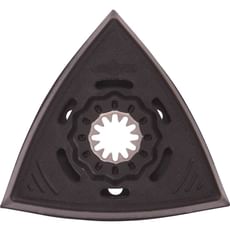
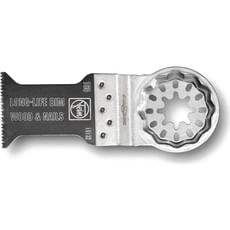
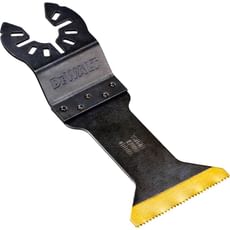
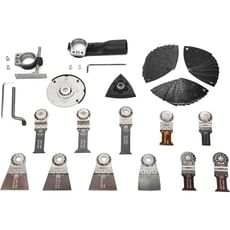
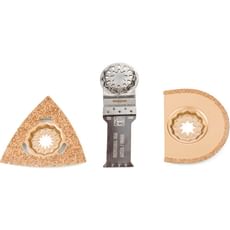
Fein E-Cut BIM Long Life Starlock Oscillating Multi Tool Saw Blade for Wood and Nails
in stock
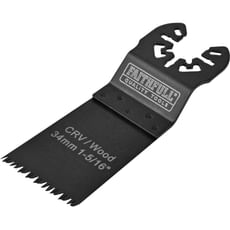
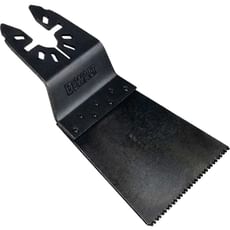
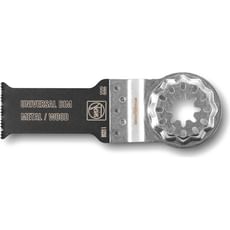
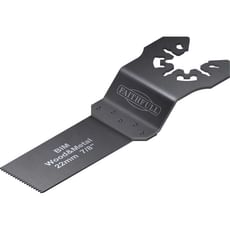
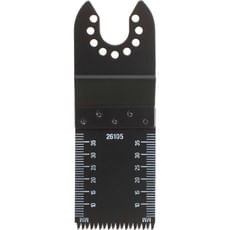
Fein E-Cut Universal Starlock Oscillating Multi Tool Plunge Blade for Metal and Wood
in stock
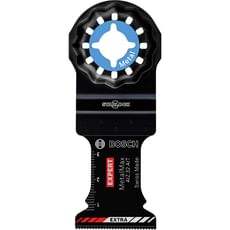
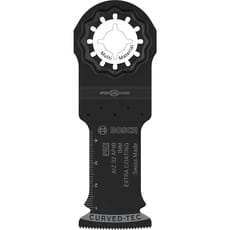
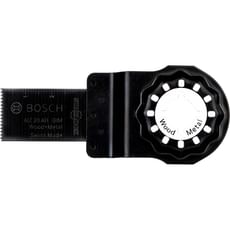
Bosch EXPERT AIZ 32 AIT Starlock Oscillating Multi Tool Metal Plunge Saw Blade
in stock
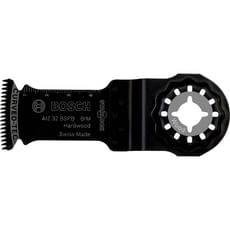
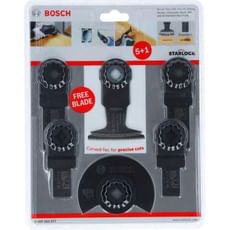
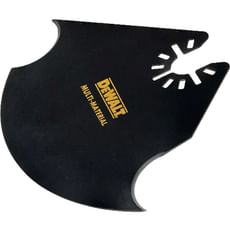
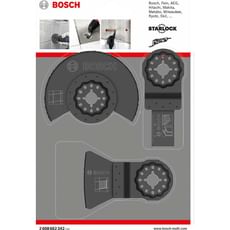
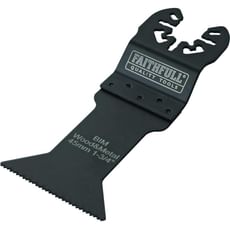
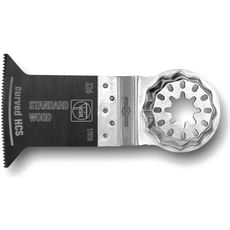
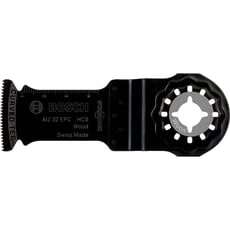
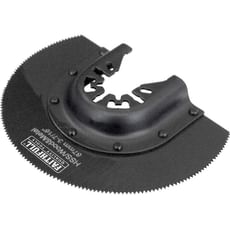
Fein E-Cut HSC Curved Starlock Oscillating Multi Tool Plunge Saw Blade for Wood
in stock
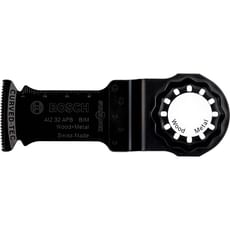
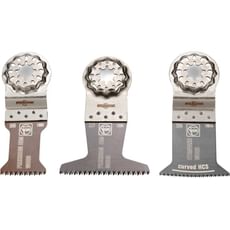
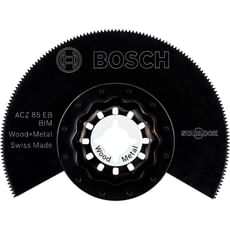
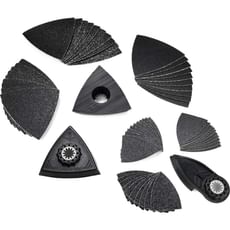
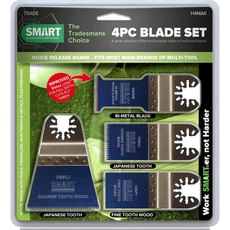
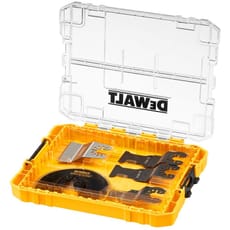
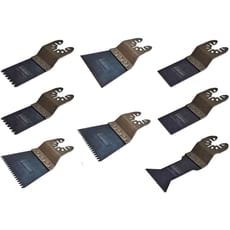
Loading...
End of content
Error - No more pages to load
About Oscillating Multi Tool Accessories
Oscillating multi tool accessories transform a single power tool into a versatile workstation capable of tackling countless applications across construction, renovation, and maintenance projects. These specialist attachments enable professionals and DIY enthusiasts to cut, sand, scrape, grout, and shape materials with precision and control. From plunge cut saw blades for flush cutting timber and plastic, to carbide-tipped grout removal blades for bathroom refurbishments, the right accessory selection dramatically expands the functionality of any oscillating multi tool.
The oscillating multi tool accessory market includes blades and attachments designed for specific materials and tasks. Segment saw blades excel at cutting through tile, cement board, and masonry, whilst hook and roofing blades provide controlled cutting in awkward spaces. Scraper blades remove adhesives, sealants, and old flooring materials, and rasp blades shape wood and other soft materials. Sanding pads in various grits deliver fine finishing work in confined areas where conventional sanders cannot reach. Most quality accessories feature universal or tool-specific fitment systems, with leading manufacturers like Fein, Makita, DeWalt, Bosch, and Milwaukee offering both proprietary and cross-compatible options.
Tooled-Up.com stocks accessories suitable for all major oscillating multi tool brands and fitment types, including Starlock, StarlockPlus, OIS, and universal mounting systems. Whether working with timber, metal, plastics, tile, or composite materials, selecting appropriate blades and attachments ensures optimal performance, extended tool life, and professional results across demanding trade applications.
Jargon Buster
- Starlock/StarlockPlus
- A standardised 3D tool-free fitment system developed by Bosch, Fein, and other manufacturers, allowing quick blade changes and improved power transfer between tool and accessory. StarlockPlus offers enhanced stability for heavy-duty applications.
- TPI (Teeth Per Inch)
- The number of cutting teeth within one inch of blade length. Higher TPI provides smoother, finer cuts suited to metal and plastics, whilst lower TPI removes material faster in timber and soft materials.
- Bi-Metal Blades
- Blades combining high-speed steel cutting edges with flexible spring steel backing, offering durability and resistance to breakage when cutting metal, nails, and abrasive materials.
- Carbide Grit
- Abrasive carbide particles bonded to blade edges or surfaces, designed for cutting extremely hard materials including tile, grout, cement board, and stone where standard teeth would quickly dull.
- Plunge Cutting
- The ability to start a cut in the middle of a material rather than from an edge, essential for creating openings for sockets, pipes, or vents without pre-drilling pilot holes.
- Oscillation Angle
- The degree of side-to-side movement (typically 1.5° to 3.5°) that creates the cutting action. Greater angles generally provide more aggressive cutting but may reduce precision.
Who Uses Oscillating Multi Tool Accessories?
- Joiners and carpenters - flush cutting door frames, trimming architrave, undercutting skirting, and precision fitting work
- Bathroom and kitchen fitters - removing grout, cutting tile and worktops, trimming sealant, and fitting around pipes
- Electricians - cutting access holes for back boxes, trimming cable channels, and removing damaged cladding materials
- Plumbers - accessing concealed pipes, cutting floorboards and panels, removing old sealants and adhesives
- Decorators - removing old paint and varnish, preparing surfaces, sanding awkward corners and profiles
- Flooring installers - undercutting door casings, trimming laminate and vinyl, removing old adhesives and levelling compound
- Window fitters - cutting and removing old sealant, trimming timber reveals, precision fitting of beading and trim
- Property maintenance professionals - general repair work, restoration projects, and making good damaged surfaces
- DIY enthusiasts - home improvements, renovation projects, furniture restoration, and general household repairs
How to Choose the Right Oscillating Multi Tool Accessories
Fitment Compatibility: Verify whether your tool uses Starlock, StarlockPlus, OIS (Oscillating Interface System), or a manufacturer-specific mounting system. Universal accessories fit multiple systems but may offer less secure attachment and power transfer than dedicated fitments. Tools from Fein, Bosch Professional, Makita, and Milwaukee typically use standardised systems, whilst budget tools may require universal adapters.
Material Suitability: Match blade composition to your workpiece materials. Standard high-carbon steel blades suit timber and plastics. Bi-metal blades handle embedded nails and metal fixings. Carbide-grit blades cut tile, grout, cement board, and stone. Diamond-grit options tackle the hardest masonry and composite materials. Using incorrect blades reduces cutting efficiency and dramatically shortens accessory life.
Blade Width and Shape: Narrow blades access tight spaces and make precise cuts, whilst wider blades provide stability for straight cuts and cover more surface area when sanding or scraping. Specialist shapes including hook blades, pointed scrapers, and curved profiles suit specific applications. Consider maintaining a varied selection at Tooled-Up for comprehensive site capability.
Quality and Durability: Premium accessories from Fein, Bosch, Makita, and Milwaukee cost more initially but deliver extended life, cleaner cuts, and better performance under demanding trade conditions. Budget blades suit occasional DIY use but dull quickly and may perform inconsistently. For professional applications, quality accessories reduce replacement frequency and improve productivity.
Task-Specific Requirements: Grout removal demands rigid carbide blades with appropriate width for joint size. Plunge cutting requires reinforced bi-metal blades with pointed tips. Sanding applications need hook-and-loop backing pads compatible with standard abrasive sheets. Assess your typical projects and build an accessory kit addressing common requirements.
Popular Accessories
- Accessory storage cases - organised blade and attachment storage systems preventing damage and ensuring quick selection
- Dust extraction adapters - connect to workshop vacuums for cleaner working when sanding or cutting indoors
- Depth stops and guides - ensure consistent cutting depth and improve accuracy for repetitive operations
- Sanding sheets and pads - various grit ratings for finishing work, available in triangular and rectangular profiles
- Blade cleaning solutions - remove resin and adhesive buildup extending blade life
- Accessory sets - comprehensive kits providing blades and attachments for multiple applications
- Universal adapters - enable use of different fitment accessories with various tool brands
- Replacement securing bolts - spare fasteners for older tool-lock systems
Safety Information
Always disconnect the oscillating tool from its power source before changing accessories. Inspect blades for damage, cracks, or excessive wear before fitting - compromised accessories may shatter during operation. Ensure accessories are securely fastened using the appropriate tool-lock or Starlock system; loose attachments can detach during use causing injury.
Wear appropriate PPE including safety glasses or goggles to protect against flying debris, particularly when cutting metal or masonry materials. Dust masks or respirators are essential when cutting materials producing hazardous dust. Work gloves protect hands during blade changes but should never be worn during tool operation due to entanglement risks.
Be aware of hidden services including electrical cables, gas pipes, and water supplies before making plunge cuts or working on walls and floors. Cable detectors should be used routinely on site work. When cutting materials containing silica, asbestos, or other hazardous substances, follow HSE guidance and COSHH regulations regarding respiratory protection and dust extraction.
Carbide and diamond-grit blades become extremely hot during use. Allow adequate cooling time before touching or changing accessories. Maintain firm control of the tool during operation - the oscillating action can cause unexpected movement when encountering hard spots or embedded fixings.
Frequently Asked Questions
Are oscillating multi tool accessories interchangeable between different brands?
Many modern tools use standardised fitment systems like Starlock, allowing cross-brand compatibility. However, older tools and some budget models use proprietary mounting systems. Universal accessories with multiple fitment options provide broader compatibility but may not offer the same secure connection as dedicated systems. Check your tool's fitment type before purchasing accessories.
How long do oscillating tool blades typically last?
Blade life varies dramatically based on material, application, and blade quality. A premium bi-metal blade might make 50-100 cuts through timber before dulling, whilst carbide blades cutting tile may last for several square metres. Professional-grade accessories from manufacturers like Fein and Bosch typically outlast budget alternatives by considerable margins, offering better value for trade use despite higher initial cost.
Can I use oscillating tool accessories with 240v, 18v, and 12v tools?
Provided the fitment system matches, accessories work with any power source. However, lower-voltage cordless tools may lack the power for demanding applications like cutting thick hardwood or masonry. Match accessory selection to tool capability - attempting heavy-duty cuts with underpowered tools causes poor results and excessive battery drain.
What's the difference between scraper blades and saw blades?
Scraper blades feature rigid, flat profiles without teeth, designed for removing adhesives, sealants, paint, and floor coverings by shearing action. Saw blades incorporate cutting teeth and range from fine-tooth metal-cutting designs to aggressive wood-cutting configurations. Using the correct type ensures efficient material removal and prevents accessory damage.
Do I need special accessories for grout removal?
Standard blades quickly dull when cutting abrasive grout and tile adhesive. Dedicated grout removal blades feature carbide-grit edges in various widths matching common joint sizes. These specialised accessories cut efficiently through cementitious materials and last significantly longer than standard blades, making them essential for bathroom and kitchen renovation work.