

Other Drain & Pipe Cleaning Accessories
Pay in 3 interest-free payments on purchases from £30-2000 with  . Learn more.
 Loading...
End of content
Error - No more pages to load
About Other Drain & Pipe Cleaning Accessories
Blocked drains and pipes present some of the most challenging maintenance tasks in plumbing work, and whilst drain rods and powered cleaners handle the primary clearance work, a range of specialist accessories makes these jobs safer, more effective and considerably more efficient. Other drain and pipe cleaning accessories encompass essential tools such as drain blasters, test bladders, gulley grab tools and specialist force cups that address specific drainage problems which standard equipment simply cannot tackle alone. These accessories transform difficult drainage work from prolonged site visits into manageable tasks that can be completed quickly and professionally.
The selection available from Tooled-Up.com features trusted brands including Draper, Bailey and Monument, providing professional-grade solutions for trade plumbers, maintenance contractors and serious DIY enthusiasts. Test bladders allow sections of pipework to be isolated for pressure testing during maintenance or after repairs, ensuring compliance with Building Regulations requirements. Drain blasters use high-pressure water injection to dislodge stubborn blockages without resorting to harsh chemical cleaners, making them environmentally friendly and safer for older pipework. Gulley grab tools enable debris retrieval from drain gullies and inspection chambers without unpleasant direct hand contact, whilst specialist force cups in various diameters ensure effective sealing across different fixture types.
Understanding which accessories complement your existing drain cleaning equipment can significantly improve efficiency on site and reduce call-out times. Whether tackling commercial drainage systems or managing maintenance across multiple residential properties, having the right specialist accessories often means the difference between a quick resolution and an extended job. These tools prove invaluable in situations where conventional drain rods prove insufficient or where specific testing and verification procedures are required to complete work to professional standards.
Jargon Buster
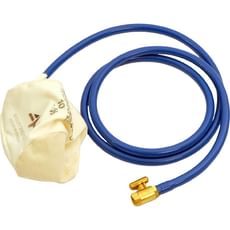
- Test Bladder (Drain Stopper): An inflatable rubber device inserted into pipes to temporarily block flow, allowing sections to be pressure-tested for leaks or to isolate areas during maintenance work. Typically inflated to around 10 psi maximum pressure and supplied with brass tap and inflation tubing.
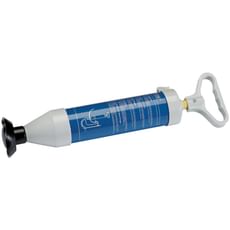
- Drain Blaster: A manual high-pressure water injection tool that uses a pumping action to force water through blockages. More environmentally friendly than chemical cleaners and particularly effective on organic blockages in sinks, baths and toilets without damaging pipework.
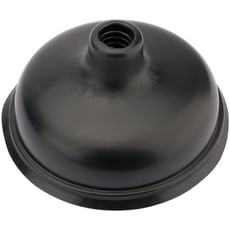
- Force Cup: A flexible rubber cup attachment for drain blasters, available in various diameters (typically 70mm for sinks, 150mm for toilets) that creates an effective seal over the drain outlet to direct water pressure precisely where needed.
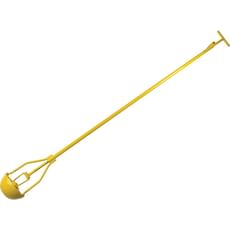
- Gulley Grab: A specialised hand tool with an extending handle and grabbing mechanism designed to retrieve debris, leaves and waste from drain gullies and inspection chambers without direct hand contact, improving hygiene and safety during maintenance work.
- Pressure Testing: The process of sealing a section of drainage pipework and applying air or water pressure to check for leaks, typically required after repairs or new installations to ensure system integrity and compliance with building standards.
- Blockage Dislodgement: The process of breaking up or moving a drain obstruction using mechanical force or water pressure, as opposed to chemical dissolution or physical removal with rods, providing a safer and more controlled clearance method.
Who Uses Other Drain & Pipe Cleaning Accessories?
- Plumbers and Heating Engineers: For routine maintenance, blockage clearing and pressure testing of domestic and light commercial drainage systems as part of comprehensive plumbing services.
- Property Maintenance Contractors: Managing drainage issues across multiple residential or commercial properties without calling specialist drainage companies for minor blockages and routine maintenance.
- Facilities Managers: Responsible for maintaining drainage systems in schools, offices, retail premises and public buildings where quick response to blockages is essential to operations.
- Landlords and Property Managers: Dealing with tenant-reported drainage problems and conducting preventative maintenance between tenancies to avoid emergency call-outs.
- Building Contractors: Testing newly installed drainage systems and clearing construction debris from pipes during build projects to ensure compliance with Building Regulations before handover.
- Serious DIY Enthusiasts: Homeowners who prefer to tackle their own drainage maintenance rather than calling out professionals for minor blockages and routine gulley cleaning.
- Caretakers and Site Managers: First-line maintenance personnel dealing with drainage issues on commercial or industrial sites where immediate response prevents disruption to operations.
How to Choose the Right Other Drain & Pipe Cleaning Accessories
Application Type: Consider the specific drainage problems you encounter most frequently. If you regularly need to test pipework after repairs, a quality test bladder with appropriate pressure rating is essential. For blockage clearing in domestic properties, a drain blaster with multiple cup sizes offers versatility across different fixture types from kitchen sinks to WCs.
Pipe Sizes and Compatibility: Check that accessories match the pipe diameters you work with most often. Test bladders are typically sized in inches (4", 6", 8" and larger) whilst force cups come in metric measurements. Ensure you have the right size for your most common applications, or invest in multiple sizes for comprehensive coverage across various drainage systems.
Build Quality and Durability: Professional-grade accessories from brands like Draper, Bailey and Monument withstand regular use and exposure to waste water and debris. Look for reinforced rubber construction on bladders, brass fittings that resist corrosion, and robust handles on gulley grabs that won't bend or break during use. Quality accessories last significantly longer and perform more reliably on site.
Pressure Ratings: For test bladders, verify the maximum inflation pressure suits your testing requirements. Most domestic applications require 10 psi maximum, whilst some commercial work may need higher ratings. Never exceed stated pressure limits as this can cause bladder failure and potential safety hazards during testing procedures.
Ease of Use: Consider how quickly you can deploy the accessory on site. Drain blasters should pump smoothly and build pressure efficiently, whilst test bladders need reliable inflation valves and sufficient tubing length to work from outside confined spaces. Browse the selection at Tooled-Up.com to find accessories designed for straightforward operation even in awkward locations under sinks or in tight inspection chambers.
Storage and Portability: Some accessories come with protective cases or storage bags that keep them clean between jobs and prevent damage during transport. This proves particularly important for test bladders where punctures render them useless, and for tools that may otherwise contaminate your van or toolbox with residual waste water.
Popular Accessories
- Additional Force Cups: Multiple diameter cups (70mm, 100mm, 150mm) to suit different drain outlets and fixtures from basin wastes to WC pans.
- Replacement Tubing: For test bladders and inflation systems that may perish or become damaged over time with regular use in harsh environments.
- Drain Rods and Attachments: The primary tools that work alongside these specialist accessories for comprehensive blockage removal on more severe obstructions.
- Hand Pumps: For inflating test bladders to required pressure without need for compressed air equipment on domestic maintenance jobs.
- Pressure Gauges: To accurately monitor inflation pressure during drain testing procedures ensuring compliance with testing standards.
- Heavy-Duty Waterproof Gloves: Essential PPE when working with drain systems and waste water to maintain hygiene and protect against contamination.
- Bucket and Mop Sets: For managing water discharge when using drain blasters or releasing test bladders after pressure testing.
- Inspection Mirrors and Torches: For checking drain condition before and after accessory use to verify clearance has been achieved.
- Disinfectant Sprays: For cleaning tools and accessories after contact with contaminated water before storage in your van or toolbox.
Safety Information
Personal Hygiene: Always wear appropriate PPE including heavy-duty waterproof gloves when working with drainage systems. Drains contain bacteria and pathogens that can cause serious illness. Wash hands thoroughly with antibacterial soap after completing work, even when gloves have been worn throughout. Follow COSHH guidelines for working with contaminated water and waste materials.
Pressure Hazards: Never exceed the maximum inflation pressure stated for test bladders. Over-inflation can cause sudden failure, potentially causing injury from the released pressure or from the bladder itself. Always inflate gradually whilst monitoring pressure with a gauge and stand clear of the immediate area during testing procedures. HSE guidance recommends safe working distances from pressurised equipment.
Water Discharge: When using drain blasters, be prepared for sudden discharge of contaminated water back through the fixture. Wear eye protection and position yourself to avoid splashback. Have buckets and absorbent materials ready to manage any overflow that may occur when blockages clear suddenly under pressure.
Chemical Interactions: If chemical drain cleaners have been used previously, allow adequate time for them to clear the system before using mechanical accessories. Some chemicals can damage rubber components and may cause hazardous splashing when disturbed by high-pressure water. Never mix chemical and mechanical cleaning methods simultaneously.
Confined Spaces: When working in inspection chambers or manholes to position accessories, be aware of confined space regulations. Adequate ventilation is essential as drainage systems can contain toxic or oxygen-depleted atmospheres. Never work alone in confined spaces and ensure proper risk assessment has been completed before entering.
Frequently Asked Questions
What's the difference between a drain blaster and a plunger?
A traditional plunger uses air pressure created by pushing and pulling to dislodge blockages, whilst a drain blaster uses high-pressure water injection to break through obstructions. Drain blasters are generally more effective on stubborn blockages and can reach further into the pipe system. They're particularly useful when plunging has failed to clear the problem or when dealing with organic material that responds better to water pressure than air pressure.
How long can I safely leave a test bladder inflated in a drain?
Test bladders are designed for temporary use during testing procedures, typically no more than 30 minutes to an hour. Leaving them inflated for extended periods can damage the rubber and may cause them to deflate unexpectedly, invalidating your test results. Always deflate and remove test bladders once testing is complete, rinse them clean and store them dry to maximise their working life.
Can drain cleaning accessories damage my pipes?
When used correctly according to manufacturer instructions, quality accessories should not damage pipes. However, excessive pressure from drain blasters on fragile older pipework or over-inflation of test bladders beyond stated limits can potentially cause problems. Always start with lower pressures and increase gradually whilst monitoring results. Be particularly cautious with older cast iron or clay drainage systems that may be more fragile.
Are these accessories suitable for outdoor drains as well as indoor?
Yes, most drain cleaning accessories work effectively on both internal and external drainage systems. Gulley grabs are specifically designed for outdoor gullies and inspection chambers, whilst drain blasters and test bladders can be used wherever you can access the pipe opening. Be aware that outdoor drains may contain more debris, larger obstructions and tree roots that require different approaches to indoor blockages.
Do I need any special training to use drain cleaning accessories?
For basic accessories like drain blasters and gulley grabs, no formal training is required, though understanding proper technique improves effectiveness and safety. For test bladders used in professional testing scenarios, plumbers should be familiar with Building Regulations requirements for drainage testing and appropriate pressure levels for different pipe materials. Always read manufacturer instructions before first use and follow HSE guidance for working with drainage systems to ensure safe working practices.