

Other Lockout Equipment
Pay in 3 interest-free payments on purchases from £30-2000 with  . Learn more.
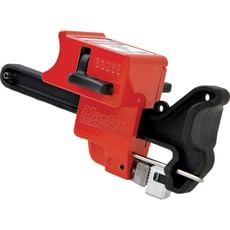
 Loading...
End of content
Error - No more pages to load
About Other Lockout Equipment
Lockout/tagout (LOTO) procedures are critical safety protocols that protect workers from hazardous energy during equipment maintenance and servicing. Beyond standard padlocks and hasps, specialist lockout equipment ensures comprehensive isolation of machinery and energy sources across industrial, commercial and maintenance environments. This category encompasses essential LOTO components including group lockout boxes, universal valve lockouts and other specialised devices designed to control access to energy isolation points during maintenance work.
Group lockout boxes represent a cornerstone of multi-person LOTO procedures, allowing multiple workers to secure their individual padlocks to a single lockout point. These robust containers hold isolation keys or control devices, ensuring that equipment cannot be re-energised until every authorised person has removed their personal lock. The selection at Tooled-Up.com includes heavy-duty options from trusted brands like MasterLock, engineered to withstand demanding industrial environments whilst providing clear visibility of secured keys and participating workers.
Universal valve lockouts offer versatile solutions for isolating ball valves, gate valves and other fluid control mechanisms across various sizes and configurations. These adjustable devices prevent accidental valve operation during maintenance on pressurised systems, hydraulic equipment and process pipelines. Combined with comprehensive lockout stations, tags and identification systems, these products form an integral part of HSE-compliant workplace safety programmes that protect against unexpected equipment start-up and hazardous energy release.
Jargon Buster
- LOTO (Lockout/Tagout): A safety procedure requiring hazardous energy sources to be properly shut off and physically locked out before equipment maintenance or servicing begins, preventing accidental start-up or energy release.
- Group Lockout Box: A secure container designed to hold isolation keys or control devices, featuring multiple lockout holes that allow several workers to apply their individual padlocks simultaneously during multi-person maintenance operations.
- Authorised Person: A trained employee who has been given specific authority and responsibility to implement lockout/tagout procedures and apply locks to energy isolating devices.
- Energy Isolating Device: A mechanical device such as a circuit breaker, valve, switch or disconnect that physically prevents the transmission or release of energy, including electrical, mechanical, hydraulic, pneumatic, chemical or thermal energy.
- Universal Valve Lockout: An adjustable lockout device designed to fit multiple valve sizes and types, preventing rotation of valve handles during maintenance on fluid or gas systems.
- Zero Energy State: The condition where all hazardous energy has been isolated, locked out, dissipated or restrained, ensuring equipment cannot operate or release stored energy during servicing.
Who Uses Other Lockout Equipment?
- Maintenance Engineers – performing planned and reactive maintenance on industrial machinery and production equipment
- Electrical Contractors – isolating electrical systems during installation, testing and repair work on commercial and industrial premises
- Facilities Managers – implementing and overseeing lockout/tagout procedures across multi-site operations and maintenance teams
- Manufacturing Operatives – conducting equipment changeovers, cleaning and servicing on production lines and process machinery
- Health & Safety Officers – developing and auditing LOTO procedures to ensure HSE compliance and workplace safety standards
- Process Technicians – isolating valves and control systems during maintenance on chemical plants, refineries and processing facilities
- Plant Operators – securing machinery and energy sources during shift handovers and maintenance windows
- Mechanical Fitters – working safely on hydraulic systems, pneumatic equipment and mechanical drive assemblies
- Utilities Workers – isolating water, gas and power systems during infrastructure maintenance and emergency repairs
How to Choose the Right Other Lockout Equipment
Application and Equipment Type: Identify the specific isolation requirements for your workplace. Group lockout boxes suit multi-person maintenance scenarios, whilst universal valve lockouts address fluid control applications. Consider the types of energy sources present—electrical, mechanical, hydraulic, pneumatic—and select devices compatible with your isolation points and procedures.
Capacity and User Numbers: For group lockout boxes, assess the maximum number of workers who might simultaneously require lockout on a single piece of equipment. Choose boxes with sufficient lockout holes to accommodate your largest maintenance teams, typically ranging from six to twenty positions. Tooled-Up stocks options including the MasterLock S601 with 19 lockout positions, suitable for substantial group operations.
Environmental Conditions: Consider the working environment when selecting materials and construction. Stainless steel lockout boxes offer superior corrosion resistance in chemical plants, outdoor installations and marine environments, whilst reinforced polymer options provide lightweight durability for general industrial applications. Ensure devices meet IP ratings appropriate for exposure to dust, moisture and temperature extremes.
Visibility and Communication: Select lockout equipment with clear identification features. Transparent windows on group lockout boxes allow verification that keys remain secured without compromising the lockout. Integrated tag holders and label areas facilitate communication about maintenance activities, responsible persons and expected completion times, supporting comprehensive LOTO documentation.
Compatibility and Standardisation: Ensure lockout devices accommodate your existing padlock systems and shackle sizes. Standardising on compatible equipment across your facility simplifies training, reduces inventory complexity and ensures interchangeability. Universal valve lockouts should adjust to fit your range of valve sizes without requiring multiple specialised devices.
Compliance and Standards: Verify that equipment meets relevant British and European safety standards, including BS EN 1037 for prevention of unexpected start-up. Consider HSE guidance and industry-specific regulations governing lockout/tagout procedures in your sector. Reputable brands like MasterLock provide products designed to meet international LOTO compliance requirements.
Popular Accessories
- Safety Padlocks – personal lockout padlocks in distinct colours for individual worker identification
- Lockout Hasps – multi-lock hasps allowing several padlocks to secure a single isolation point
- Lockout Tags – durable identification tags recording maintenance details, authorised persons and warning information
- Circuit Breaker Lockouts – devices preventing operation of electrical panel breakers and switches
- Plug Lockouts – covers securing electrical plugs in the disconnected position during maintenance
- Lockout Stations – wall-mounted storage systems organising padlocks, hasps, tags and procedures documentation
- Cable Lockouts – adjustable cables securing multiple isolation points or oddly-shaped devices
- Miniature Circuit Breaker Lockouts – compact devices for isolating MCBs in consumer units and distribution boards
Safety Information
Lockout equipment forms a critical component of workplace safety systems but only provides effective protection when implemented within comprehensive LOTO procedures. All personnel must receive appropriate training on energy isolation methods, lockout device application and the specific procedures governing their workplace equipment. Only authorised persons should implement lockout procedures, and each worker must apply their personal padlock to group lockout systems—removing it only upon completing their own work.
Before applying lockout devices, ensure all hazardous energy sources have been properly identified and isolated using appropriate energy isolating devices. After lockout application, verify the zero energy state by testing equipment controls and measuring for residual energy. Never attempt to operate equipment whilst lockout devices are in place, and never remove another person's lock under any circumstances. Group lockout procedures require coordination between all participating workers, with clear protocols for shift changes and emergency situations.
Regularly inspect lockout equipment for damage, corrosion or wear that might compromise security. Replace damaged devices immediately and maintain accurate records of equipment inspections, training activities and lockout incidents. Ensure all lockout devices remain clearly identifiable with appropriate labelling, and that keys stored in group lockout boxes correspond exclusively to the isolated equipment. Compliance with HSE guidance and industry-specific regulations remains the responsibility of employers and duty holders.
Frequently Asked Questions
What is a group lockout box and when should it be used?
A group lockout box is a secure container designed for multi-person lockout scenarios where several workers are simultaneously performing maintenance on the same equipment. The isolation key or control device is placed inside the box, and each participating worker applies their personal padlock to one of the multiple lockout holes. Equipment cannot be re-energised until every worker has completed their task and removed their individual lock, ensuring no one can accidentally endanger colleagues by prematurely restoring power or energy.
How many lockout positions do I need on a group lockout box?
Select a group lockout box with sufficient positions to accommodate your largest anticipated maintenance team, plus additional capacity for supervisors, contractors or unexpected participants. Most industrial applications require between 8 and 20 positions. The MasterLock S601, for example, offers 19 lockout holes suitable for substantial group operations. If your team size occasionally exceeds box capacity, multiple boxes can be used in series, with the first box's key secured inside the second box.
Can universal valve lockouts fit all valve types and sizes?
Universal valve lockouts feature adjustable designs accommodating a range of valve sizes, typically from 13mm to 165mm diameter handles, covering most common ball valves, gate valves and butterfly valves. However, "universal" doesn't mean every valve—extremely large, unusually shaped or specialised valves may require dedicated lockout devices. Always verify the adjustment range matches your specific valve dimensions before purchase, and consider maintaining several sizes for comprehensive coverage across your facility.
Are lockout devices reusable or single-use items?
Quality lockout equipment, including group lockout boxes and universal valve lockouts from brands like MasterLock, are designed as durable, reusable safety devices. With proper maintenance and regular inspection, these products provide years of reliable service. However, lockout tags are often considered consumable items, requiring replacement after use to maintain clear, legible information. Inspect all reusable devices regularly for damage, corrosion or wear, replacing any compromised equipment immediately to maintain safety integrity.
Do I need special padlocks for lockout equipment?
Whilst standard padlocks can physically fit most lockout devices, dedicated safety padlocks are strongly recommended for LOTO applications. Safety padlocks feature non-conductive bodies, distinctive colours for personal identification, and are keyed differently to prevent accidental key interchange between workers. They typically include larger label areas for worker identification and are designed to withstand industrial environments. Using consistent, purpose-designed safety padlocks throughout your facility supports clear procedures and reduces the risk of procedural errors.