

Other Threading Tools
Pay in 3 interest-free payments on purchases from £30-2000 with  . Learn more.
 Loading...
End of content
Error - No more pages to load
About Other Threading Tools
Threading tools are essential equipment for any professional tradesperson or serious DIY enthusiast who needs to repair, restore or create threaded fasteners and components. When threads become damaged, cross-threaded or corroded, specialist threading tools can save both time and money by repairing the existing component rather than requiring complete replacement. This category encompasses a range of specialised tools including thread chasers, thread restoring files, rotary thread rescue tools and thread repair sets that handle both internal and external threads across metric and imperial standards.
The selection at Tooled-Up.com includes innovative solutions from trusted manufacturers such as Sealey, BOA and Draper. Modern thread rescue tools have evolved significantly from traditional taps and dies, with rotary thread repair tools offering universal solutions that work across multiple thread sizes and types. Thread chaser sets provide targeted solutions for common applications like wheel bolt repair and oxygen sensor threads, whilst thread restoring files offer precision control for delicate restoration work. Whether working with steel, aluminium, brass or even plastic threads, having the right threading tool can mean the difference between a successful repair and a costly component replacement.
These tools are particularly valuable in automotive, engineering and maintenance environments where threaded fasteners are subjected to stress, corrosion and repeated assembly cycles. From restoring damaged spark plug threads to repairing cross-threaded bolt holes, threading tools are problem-solvers that belong in every well-equipped workshop. With both manual and power tool-compatible options available, there's a threading solution for every application and skill level.
Jargon Buster
- Thread Chaser: A tool designed to clean and restore existing threads without removing material, unlike taps which cut new threads. Thread chasers follow the existing thread profile and remove debris, corrosion or minor damage.
- Thread Pitch: The distance between adjacent thread crests, measured in millimetres for metric threads or threads per inch (TPI) for imperial standards. Correct pitch identification is essential for successful thread repair.
- Internal Thread: A threaded hole or nut that receives a bolt or screw. Also called a female thread, requiring specialised tools or inserts for repair when damaged.
- External Thread: The threaded portion of a bolt, screw or stud that fits into a nut or threaded hole. Also called a male thread, often repairable with thread files or rotary restoration tools.
- Cross-Threading: Damage that occurs when a fastener is forced into a threaded hole at an angle, causing the threads to bind and deform. This common problem often requires thread chasing or restoration to repair.
- Self-Aligning Profile: A feature found on advanced thread repair tools that automatically centres itself on the damaged thread, ensuring proper alignment during the restoration process without requiring precise manual positioning.
Who Uses Other Threading Tools?
- Motor mechanics and automotive technicians who regularly encounter damaged wheel bolt threads, spark plug holes and exhaust manifold studs
- Plant maintenance engineers working with industrial machinery where threaded fasteners are subjected to vibration, heat and corrosion
- Agricultural engineers repairing farm equipment and machinery in field conditions where replacement parts may not be readily available
- HGV and commercial vehicle technicians dealing with heavy-duty threaded fasteners on trucks, trailers and plant equipment
- General engineers and fabricators who need to repair or restore threads on custom components and assemblies
- Marine mechanics addressing corrosion-damaged threads on boats and marine equipment exposed to saltwater environments
- Motorcycle mechanics working with smaller, more delicate threads that are easily damaged during assembly
- Aviation maintenance technicians where thread integrity is critical for safety-critical fastenings
- DIY enthusiasts and home mechanics tackling repair projects where damaged threads would otherwise require expensive component replacement
How to Choose the Right Other Threading Tools
Selecting appropriate threading tools depends primarily on the types of threads you'll be working with most frequently. Universal rotary thread rescue tools like the BOA systems offer exceptional versatility, handling both metric and imperial threads in internal and external applications, making them ideal for workshops that deal with diverse equipment. These rotary tools connect to standard drills or die grinders and can address a wide range of thread sizes with a single tool, offering excellent value for professional environments.
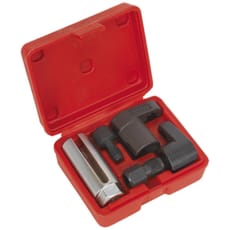
For more targeted applications, dedicated thread chaser sets provide purpose-built solutions for common repair scenarios. Wheel bolt thread chasers are essential in automotive workshops, whilst oxygen sensor thread chasers address a specific but frequent requirement in vehicle maintenance. When choosing thread chaser sets, consider whether you work primarily with metric or imperial threads, or if you require a comprehensive set covering both standards. The range available from Tooled-Up includes options from 5-piece starter sets to comprehensive 9-piece collections.
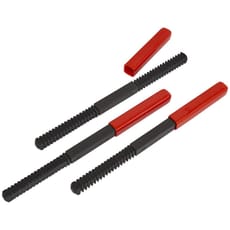
Thread restoring files offer an alternative approach, particularly useful when working in confined spaces or on delicate components where powered tools might cause additional damage. These manual tools provide excellent control and tactile feedback, making them suitable for precision work. Consider the materials you'll be working with – whilst most threading tools handle steel and aluminium effectively, some specialised tools are required for harder materials or plastics. Power compatibility is another factor; if you prefer powered operation, ensure the tool is designed for use with drills or die grinders. For professional tradespeople, tool durability matters significantly, with diamond-headed rotary tools offering exceptional longevity compared to traditional carbon steel alternatives.
Popular Accessories
- Cutting fluid and thread lubricant to reduce friction and improve thread quality during restoration work
- Thread gauges for accurately identifying thread pitch and size before commencing repair work
- Wire brushes for cleaning debris and corrosion from threads prior to restoration attempts
- Tap and die sets for creating new threads when restoration isn't possible
- Thread repair inserts (helicoils) for severely damaged threads that cannot be restored
- Thread locking compounds to secure restored threads and prevent future loosening
- Cordless drills and die grinders for powering rotary thread rescue tools in locations without mains electricity
- Precision measuring equipment including digital callipers for verifying thread dimensions
- Degreasing agents to ensure clean working conditions and proper tool operation
Safety Information
When using threading tools, always wear appropriate eye protection to guard against metal particles and debris that can be dislodged during the restoration process. Metal shavings are particularly hazardous when using powered rotary thread tools, so safety glasses or goggles are essential. Work gloves provide hand protection but ensure they fit properly – loose gloves can become caught in rotating tools.
When operating powered threading tools with drills or die grinders, maintain firm control of the power tool and ensure the workpiece is securely clamped or held. Never attempt to hold small components by hand whilst using powered thread restoration tools. Be aware that thread repair work often involves applying significant force, which can cause tools to slip if not properly engaged with the thread. This is particularly important when working on corroded fasteners where sudden breakage can occur.
Use appropriate cutting fluids or lubricants to reduce heat generation during thread restoration, particularly when working with aluminium or stainless steel. Adequate ventilation is important when using chemical lubricants or degreasers. Always inspect threading tools before use for signs of wear or damage, as worn cutting edges can cause poor results or tool failure. Follow the manufacturer's guidance regarding appropriate thread sizes and materials for each specific tool to avoid damage to both the tool and workpiece.
Frequently Asked Questions
What's the difference between a thread chaser and a tap?
A thread chaser restores existing damaged threads by following the original profile and cleaning away debris or minor damage, without removing significant material. A tap cuts brand new threads into an unthreaded hole or repairs severely damaged threads by removing material to create fresh thread profiles. Thread chasers are gentler and preserve more of the original component, making them the preferred choice for repair work when the thread is not completely destroyed.
Can thread restoring tools work on both metric and imperial threads?
Many modern rotary thread rescue tools like the BOA systems are universal and work with both metric and imperial threads across a wide size range. However, traditional thread chasers and files are typically size-specific, requiring the correct tool for your thread standard and pitch. Always check the tool specifications – comprehensive sets often include both metric and imperial sizes, whilst economy sets may focus on one standard.
How do I know which thread size I'm working with?
Thread gauges are the most accurate method for identifying thread pitch and size. Alternatively, compare the thread against a known fastener or consult technical documentation for the component. For metric threads, measure the diameter in millimetres and count the distance between thread crests. Imperial threads are measured in diameter (fractions of an inch) and threads per inch (TPI). When in doubt, universal rotary thread tools eliminate the need for precise identification.
Are diamond-coated thread restoration tools worth the extra cost?
For professional use, diamond-coated rotary thread tools offer significantly longer service life compared to traditional carbon steel alternatives, potentially lasting through thousands of thread repairs. They maintain their cutting ability even when working with hardened materials and are less prone to clogging. For occasional DIY use, standard thread files or chasers may prove more economical, but professionals will typically recoup the investment through extended tool longevity and consistent performance.
Can damaged plastic threads be repaired with these tools?
Yes, many modern thread restoration tools explicitly support plastic threads, though the technique requires particular care. Rotary thread rescue tools work well on plastics when operated at lower speeds to avoid heat buildup that could melt or deform the material. Manual thread files offer excellent control for plastic thread restoration. Avoid using excessive force and ensure the tool is clean to prevent contamination that might chemically react with certain plastics.