

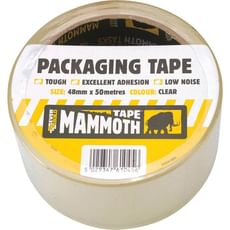
Packing Tape

Pay in 3 interest-free payments on purchases from £20-£3000 with  . Learn more.
 Loading...
End of content
Error - No more pages to load
About Packing Tape
Packing tape is an essential packaging material used to securely seal boxes, cartons and parcels for storage, shipping and transportation. Available in various grades from standard parcel tape to heavy-duty reinforced options, packing tape provides a reliable closure that protects contents from tampering, moisture and accidental opening during transit. The range at Tooled-Up includes polypropylene tapes for everyday use, cross-weave reinforced tapes for extra strength, and specialist options designed for industrial and warehouse environments.
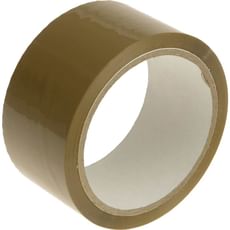
Most packing tapes feature a strong adhesive backing that bonds instantly to cardboard, corrugate and many other surfaces, creating a secure seal that resists splitting and peeling. Standard rolls typically measure 48mm or 50mm in width and come in various lengths, with brown and clear finishes being the most popular choices. Professional-grade tapes often include features such as low-noise unwinding, enhanced thickness for puncture resistance, and adhesives formulated to perform in different temperature conditions. For high-volume applications, Tooled-Up.com stocks dedicated tape dispensers with soft-grip handles and integrated cutting systems that significantly speed up packing operations whilst reducing user fatigue.
Whether sealing a single parcel for courier collection or securing hundreds of boxes in a busy distribution centre, choosing the right packing tape specification ensures packages remain intact throughout their journey. Quality packing tape represents a small investment that prevents costly damage claims, returns and customer dissatisfaction caused by inadequate packaging.
Jargon Buster
- Polypropylene Tape: The most common type of packing tape, made from polypropylene film with a synthetic rubber or acrylic adhesive. Offers good adhesion to cardboard and excellent resistance to moisture and temperature changes.
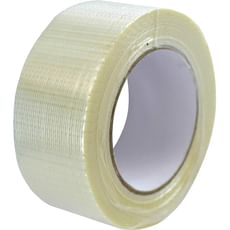
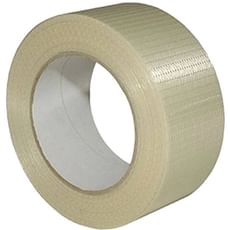
- Cross-Weave/Reinforced Tape: Heavy-duty packing tape with embedded fibreglass or polyester filaments running through the backing material, providing exceptional tear resistance and tensile strength for securing heavy or valuable items.
- Hot Melt Adhesive: A synthetic adhesive that provides instant bonding with aggressive initial tack, ideal for rough or recycled cardboard surfaces. Performs well in cold storage environments.
- Acrylic Adhesive: A synthetic adhesive offering superior ageing properties and UV resistance compared to rubber-based alternatives. Maintains bond strength over extended periods, making it suitable for long-term storage applications.
- Tensile Strength: The maximum force the tape can withstand when pulled lengthwise before breaking, typically measured in pounds per inch width. Higher tensile strength indicates a more durable tape suitable for heavy parcels.
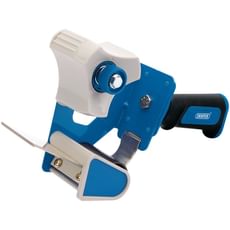
- Tape Dispenser: A handheld or bench-mounted tool that holds the tape roll and features an integrated cutting blade, allowing quick, controlled application and reducing waste through precise cutting.
Who Uses Packing Tape?
- Warehouse Operatives and Distribution Staff - sealing boxes and pallets for dispatch and storage
- Removal Companies and House Movers - securing household goods and storage containers
- E-commerce Businesses and Online Retailers - packaging products for courier delivery
- Manufacturing Facilities - securing finished goods and component packaging
- Logistics and Freight Companies - ensuring parcels remain sealed during multi-leg transportation
- Office Managers and Mailroom Staff - preparing documents and items for posting
- Shop Owners and Retailers - packaging customer purchases and stock transfers
- Self-Storage Facilities and Archive Services - sealing boxes for long-term storage
- Exhibition and Event Organisers - packing and protecting equipment between venues
- DIY Enthusiasts and Home Users - everyday parcel preparation and house moves
How to Choose the Right Packing Tape
Parcel Weight and Contents: Light parcels containing soft goods require only standard polypropylene tape, whilst heavy boxes or those containing sharp items benefit from reinforced cross-weave tape with higher tensile strength. Match the tape specification to the weight and handling requirements of your packages.
Box Material and Condition: New, smooth cardboard accepts most tape adhesives readily, but recycled or rough-surface boxes may require hot melt adhesive for reliable bonding. Low-tack tapes can fail on dusty or damaged cardboard, so ensure your chosen tape matches the box condition.
Storage and Transit Conditions: Parcels stored in cold environments or refrigerated warehouses need tape with cold-resistant adhesive, whilst long-term storage benefits from acrylic adhesive that maintains bond strength over months or years. Consider the temperature range and duration of storage when selecting tape.
Volume and Frequency of Use: High-volume packing operations justify investment in a quality tape dispenser, which dramatically improves application speed and reduces wrist strain compared to manual tearing. Look for dispensers with soft-grip handles and smooth-feeding mechanisms for all-day comfort.
Colour and Branding: Clear tape provides invisible sealing suitable for retail presentation, whilst brown tape blends with cardboard for a traditional appearance. Coloured or printed tapes can enhance brand recognition or indicate special handling requirements.
Noise Level: Standard packing tape can generate significant noise when unwound rapidly, which may be problematic in certain environments. Low-noise formulations reduce this sound without compromising adhesive performance.
Popular Accessories
- Tape Dispensers: Handheld and bench-mounted models for controlled application and clean cutting
- Cardboard Boxes and Cartons: Various sizes for matching tape width and sealing requirements
- Bubble Wrap and Void Fill: Internal protection materials to complement secure external sealing
- Stretch Wrap: Pallet wrapping film for securing multiple boxes together
- Fragile Tape and Warning Labels: Printed tapes indicating special handling requirements
- Gummed Paper Tape: Water-activated tape for archival-quality sealing
- Strapping and Banding: Additional reinforcement for heavy or irregularly shaped packages
- Label Dispensers: Organising addressing and identification labels alongside sealing operations
Frequently Asked Questions
What's the difference between standard packing tape and reinforced tape?
Standard polypropylene packing tape is suitable for everyday parcels up to moderate weights, offering good adhesion and moisture resistance. Reinforced cross-weave tape incorporates fibreglass or polyester filaments that provide significantly higher tensile strength and tear resistance, making it essential for heavy items, valuable goods or parcels subjected to rough handling. The reinforcement prevents the tape from splitting lengthwise when stressed.
How wide should my packing tape be?
The most common widths are 48mm and 50mm, which provide adequate coverage for standard box seams and flaps. These widths offer the best balance of material coverage, adhesive contact area and cost-effectiveness for typical cardboard boxes. Narrower tapes may be suitable for small parcels or bundling, whilst wider tapes (75mm+) are available for extra-large boxes or industrial applications requiring maximum sealing strength.
Does packing tape have a shelf life?
Yes, packing tape gradually loses adhesive performance over time, particularly when stored in poor conditions. Most tapes maintain optimal performance for 12-24 months when stored in cool, dry conditions away from direct sunlight and extreme temperatures. Rubber-based adhesives typically have shorter shelf lives than acrylic formulations. Always rotate stock and avoid purchasing excessive quantities that may exceed recommended storage periods.
Can I use packing tape in cold storage or freezer environments?
Standard packing tape adhesives can fail in cold conditions, as the adhesive becomes less tacky and may not bond properly to cold cardboard surfaces. For cold storage, refrigerated warehouses or freezer applications, specify tape with cold-temperature adhesive formulations, typically hot melt types designed to maintain bonding strength down to -10°C or lower. Apply the tape in ambient conditions before placing items in cold storage whenever possible.
Do I need a tape dispenser or can I apply packing tape by hand?
Manual application works for occasional use, but a tape dispenser dramatically improves efficiency and consistency for regular packing tasks. Dispensers provide controlled unwinding, reduce waste through precise cutting, and eliminate the frustration of finding the tape edge. The ergonomic design reduces wrist strain during extended use, whilst the integrated blade ensures clean cuts without scissors. For any business handling more than a few parcels daily, a dispenser quickly justifies its cost through improved productivity.