

Pad Saws
Pay in 3 interest-free payments on purchases from £30-2000 with  . Learn more.
 Loading...
End of content
Error - No more pages to load
About Pad Saws
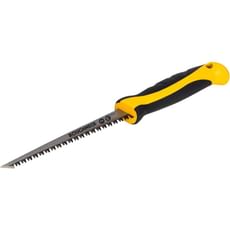
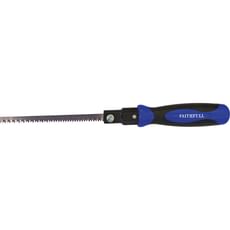
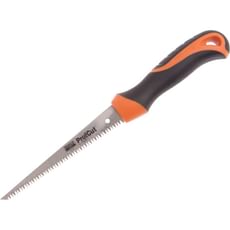
Pad saws, also known as keyhole saws or jab saws, are essential hand tools designed for making precise cuts in confined spaces where conventional saws cannot reach. Characterised by their narrow, pointed blades and compact handles, these versatile cutting tools excel at creating circular holes, cutting out apertures for electrical sockets, letterboxes, and keyholes, as well as trimming drywall and plasterboard. The distinctive tapered blade design allows tradespeople to pierce materials and then cut in any direction, making them invaluable for both renovation work and new installations.
The pad saws available from Tooled-Up.com range from basic utility models to professional-grade drywall saws with triple-edge teeth and ergonomic soft-grip handles. Modern pad saws typically feature hardpoint teeth that maintain sharpness throughout demanding tasks, whilst premium models incorporate comfortable two-component handles that reduce hand fatigue during extended use. Blade lengths generally range from 150mm to 160mm, with tooth configurations between 7 and 9 teeth per inch (TPI) optimised for different materials including plasterboard, softwood, hardwood, and composite boards.
Trusted manufacturers such as Bahco, Faithfull, and Roughneck produce pad saws that combine durability with precision cutting performance. Whether you're a professional carpenter working on site installations or a DIY enthusiast tackling home improvements, a quality pad saw remains one of the most practical tools for accessing tight spaces and creating clean, controlled cuts where power tools would prove impractical or impossible to use.
Jargon Buster
- TPI (Teeth Per Inch): The number of teeth within a one-inch length of the saw blade. Lower TPI (7-8) provides faster, more aggressive cuts ideal for softwood and drywall, whilst higher TPI (9-11) delivers smoother, more controlled cuts in hardwood and sheet materials.
- Hardpoint Teeth: Heat-treated and hardened saw teeth that maintain their sharpness significantly longer than standard teeth. Hardpoint blades cannot be resharpened but offer superior durability and consistent cutting performance throughout their working life.
- Triple-Edge Teeth: Advanced tooth geometry featuring three cutting edges per tooth, designed specifically for effortless cutting through plasterboard and drywall with minimal dust and clean edges.
- Jab Saw: An alternative name for a pad saw, referring to the tool's ability to "jab" or pierce through material at any point on a surface, not just from an edge, thanks to its sharp pointed blade tip.
- Two-Component Handle: An ergonomic handle construction combining a rigid core with a soft-grip outer layer, providing both structural strength and comfortable, non-slip control during cutting operations.
- Blade Set: The slight outward bend of teeth from the blade's centreline, creating a cutting groove (kerf) wider than the blade thickness to prevent binding and allow smoother cutting action.
Who Uses Pad Saws?
- Carpenters and Joiners: For cutting apertures in doors, skirting boards, and timber panels where precision is required in confined spaces
- Electricians: Creating access holes for back boxes, cables, and electrical fittings in plasterboard and panelling
- Plumbers: Cutting access points for pipework through walls, floors, and boxing-in materials
- Drywall Installers: Specialist task of cutting precise openings in plasterboard for switches, sockets, and fixtures
- Shopfitters and Installers: Creating display panel cutouts and access points in retail and commercial environments
- General Builders: Multi-purpose cutting tasks on construction sites where portable, unpowered cutting is advantageous
- Maintenance Technicians: Accessing concealed areas behind wall panels and creating repair access points
- DIY Enthusiasts: Home improvement projects including kitchen installations, door furniture fitting, and renovation work
- Locksmiths: Traditional use for cutting keyhole apertures in doors and wooden fixtures
How to Choose the Right Pad Saws
Blade Length and Teeth Configuration: Select blade length based on typical material thickness you'll be cutting. Standard 150-160mm blades suit most applications including standard UK plasterboard (12.5mm). For drywall and plasterboard, choose 7-8 TPI for fast cutting; for hardwood and detailed work, opt for 9-11 TPI for cleaner, more controlled cuts.
Handle Design and Comfort: Ergonomics matter significantly during repetitive cutting tasks. Two-component soft-grip handles reduce hand fatigue and provide better control, particularly important for professional tradespeople. Consider handle size and shape to ensure it suits your hand comfortably, especially if you'll be using the saw throughout the working day.
Blade Quality and Tooth Type: Hardpoint teeth maintain sharpness considerably longer than standard teeth, representing better value for frequent users despite higher initial cost. Triple-edge teeth are specifically engineered for plasterboard work, making them the optimal choice for electricians and drywall installers. Traditional tooth patterns work well for general-purpose applications across various materials.
Intended Application: Match the saw to your primary tasks. Specialist drywall saws from brands like Bahco feature pointed blade tips for easy piercing and teeth optimised for clean plasterboard cutting. General-purpose pad saws from Faithfull and Roughneck offer versatility across multiple materials, making them ideal for toolboxes where a single saw must handle varied tasks.
Professional Versus DIY Use: Professional tradespeople benefit from investing in premium models with superior handle ergonomics and advanced tooth geometry that withstand daily site work. DIY users requiring occasional use may find standard hardpoint models at Tooled-Up perfectly adequate for home improvement projects whilst representing excellent value.
Popular Accessories
- Replacement Blades: Spare blades for pad saws with interchangeable blade systems, available in various TPI configurations
- Combination Squares: For marking accurate cutting lines and ensuring perpendicular cuts
- Pencils and Markers: Essential for marking cutting lines on plasterboard and timber
- Spirit Levels: Ensuring socket and switch cutouts are perfectly level before cutting
- Dust Masks and Safety Glasses: Personal protective equipment for safe cutting, particularly important when working with plasterboard dust
- Stanley Knives: Complementary cutting tools for scoring and snapping plasterboard before pad saw finishing
- Work Gloves: Protection during cutting operations and material handling
- Tool Bags and Belts: Convenient storage and transport for pad saws alongside other hand tools
- Cordless Inspection Lights: Illuminating confined cutting areas where pad saws are typically used
- Hole Saws and Drill Bits: Alternative cutting methods for creating pilot holes or circular apertures
Safety Information
Personal Protective Equipment: Always wear safety glasses to protect eyes from sawdust and material debris, particularly when cutting above head height. Dust masks are essential when cutting plasterboard or MDF, as the fine particles can irritate respiratory systems. Work gloves provide hand protection whilst maintaining adequate grip on the tool.
Safe Cutting Practices: Ensure materials are properly supported before cutting to prevent sudden movement or collapse. When jabbing through plasterboard, check behind the surface for hidden cables, pipes, or structural elements that could be damaged or cause injury. Always cut away from your body and keep your free hand clear of the cutting line.
Tool Maintenance: Inspect pad saws before use for damaged teeth or loose handles which could cause accidents. Keep blades sharp – dull teeth require excessive force, increasing the risk of slipping. Store pad saws safely with blade guards or in tool rolls to prevent accidental contact with sharp teeth and to protect the blade edge.
Working at Height: Exercise particular caution when using pad saws on ladders or platforms, as the sawing action can affect balance. Ensure stable footing and consider using appropriate access equipment. Follow HSE guidance for working at height on construction sites and during installation work.
Frequently Asked Questions
What's the difference between a pad saw and a regular handsaw?
Pad saws feature narrow, pointed blades specifically designed for cutting in confined spaces and starting cuts from the middle of a surface rather than from an edge. Regular handsaws have wider blades and require an edge to begin cutting. The pad saw's compact size and blade design make it ideal for cutting keyholes, electrical box apertures, and working in tight corners where conventional saws cannot access.
Can I use a pad saw to cut plasterboard and wood?
Yes, quality pad saws handle both materials effectively, though blade selection matters. For predominantly plasterboard work, choose a drywall-specific model with 7-8 TPI and triple-edge teeth. For mixed applications including timber, a general-purpose hardpoint pad saw provides versatility across softwood, hardwood, and sheet materials, making it the practical choice for multi-trade toolboxes.
How do I start a cut in the middle of a plasterboard sheet?
Position the pointed blade tip at your desired starting point and apply firm, controlled pressure whilst rotating the handle in a circular motion to pierce through the plasterboard. Once the blade tip penetrates, begin sawing with short strokes, gradually increasing stroke length as the kerf develops. This technique allows you to create cutouts for sockets and switches without drilling pilot holes first.
Do pad saw blades need sharpening?
Modern hardpoint pad saw blades are heat-treated for extended durability but cannot be resharpened once they become dull. The hardening process that provides long-lasting sharpness makes the teeth too hard for traditional sharpening files. When cutting performance deteriorates, replacement is more practical and cost-effective than attempting to sharpen hardpoint teeth.
What TPI should I choose for cutting drywall?
For drywall and standard UK plasterboard (12.5mm thickness), 7-8 TPI provides the optimal balance of fast cutting speed and reasonably clean edges. This tooth configuration cuts quickly through the gypsum core without excessive binding, ideal for cutting multiple socket and switch apertures. Higher TPI (9-11) cuts more slowly but may be preferable if you're working with faced plasterboard where edge quality is particularly important.