

Paddle Mixers
Pay in 3 interest-free payments on purchases from £30-2000 with  . Learn more.
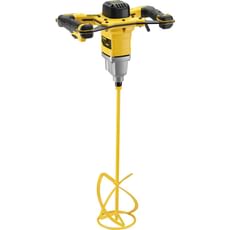
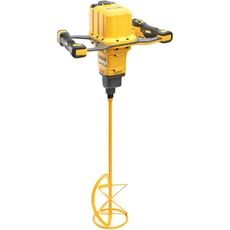
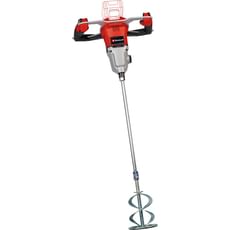
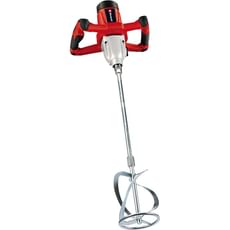
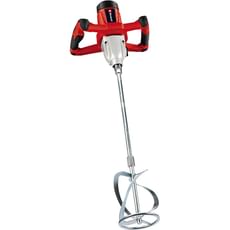
Einhell Professional TP-MX 18-2 Li BL 18v Cordless Brushless Paddle Mixer
in stock
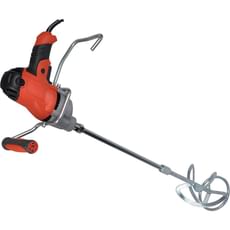
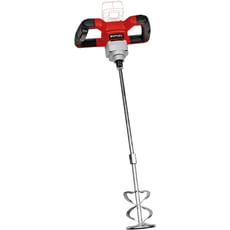
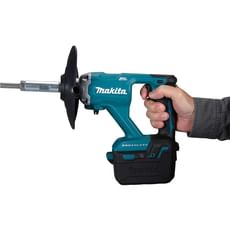
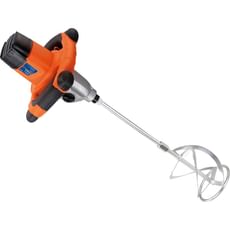
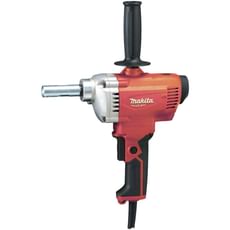
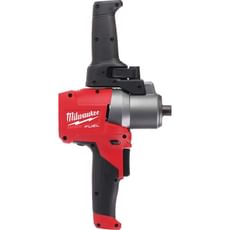
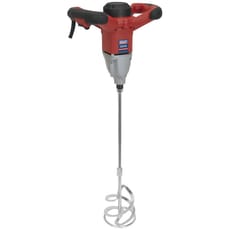
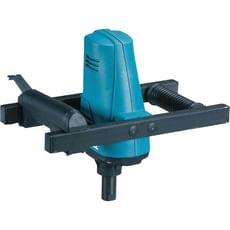
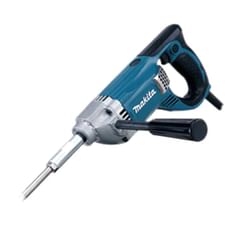
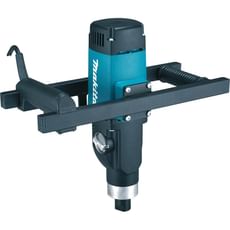
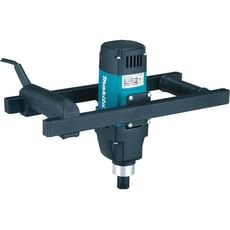
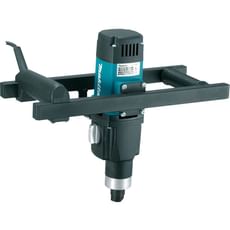
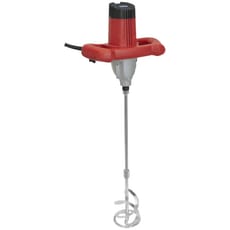
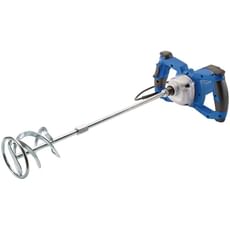
 Loading...
End of content
Error - No more pages to load
About Paddle Mixers
Paddle mixers are indispensable power tools engineered to efficiently combine paint, plaster, mortar, cement, adhesives, and other viscous materials used throughout the construction and decorating trades. Also referred to as mixing drills, mixer drills, or stirrers, these robust machines eliminate the physical strain of preparing large quantities of materials by hand, delivering consistent results that manual mixing simply cannot achieve. Whether you're a professional plasterer working through multiple bags of bonding coat or a decorator blending litres of emulsion, a quality paddle mixer dramatically reduces preparation time whilst ensuring uniform consistency throughout every mix.
Available in both corded and cordless configurations, paddle mixers range from compact handheld units suited to smaller decorating projects through to heavy-duty mixing drills capable of tackling 25kg bags of cementitious materials. Corded models typically deliver sustained power output between 1200-1600 watts, making them ideal for continuous site work and demanding applications requiring unlimited runtime. Recent innovations in battery technology have transformed cordless paddle mixers into genuinely professional-grade tools, with systems like the DeWalt 54v Flexvolt and Makita's 40v XGT platform delivering performance that rivals 240v mains-powered alternatives whilst offering complete freedom to work anywhere on site without trailing cables.
Most paddle mixers designed for trade applications feature M14 threaded connections for rapid paddle attachment, variable speed control to accommodate different material viscosities, and robust metal gearing to handle high-torque mixing operations. Entry-level paint and plaster mixers may utilise standard drill chucks, offering greater versatility but typically less power and secure paddle attachment. When selecting a paddle mixer, it's essential to recognise that most standard cordless drill drivers lack the sustained torque and power delivery required for serious mixing applications, making a dedicated mixing drill the preferred choice for trade professionals who demand consistent performance throughout the working day.
Jargon Buster
- M14 Thread: A standardised 14mm metric threaded connection commonly found on professional mixing drills, allowing quick attachment and removal of paddle accessories without requiring a chuck key or manual adjustment. This robust connection system provides superior paddle security compared to chuck-based alternatives.
- Variable Speed Control: A trigger or dial mechanism that enables precise control over mixing speed, typically ranging from 0-600 RPM. This feature proves essential for preventing material splashing when starting a mix and for adapting motor speed to different material viscosities and mixing stages.
- Brushless Motor: Advanced motor technology that eliminates traditional carbon brushes, delivering increased efficiency, substantially longer runtime on cordless models, reduced maintenance requirements, and extended tool lifespan compared to conventional brushed motor designs.
- Torque (Nm): The rotational force measured in Newton-metres that indicates a mixer's ability to turn heavy loads without stalling. Professional paddle mixers typically offer between 50-120Nm of torque to power through thick mortar, render, and heavy plaster mixes without bogging down.
- Two-Speed Gearbox: Allows selection between high torque/low speed settings for thick materials like screed and mortar, or lower torque/higher speed configurations for paints and lighter compounds, maximising versatility across diverse mixing applications.
- Soft Start: A safety and convenience feature that gradually increases motor speed when the trigger is engaged, preventing sudden jerking motions, reactive torque, and material splashing at start-up, particularly important when working with full mixing buckets.
Who Uses Paddle Mixers?
Paddle mixers are essential tools across numerous trades and applications:
- Plasterers: Mixing bonding coat, multi-finish, skimming plaster, render, and backing coats for internal and external wall applications
- Bricklayers: Preparing mortar for blockwork, brickwork, pointing applications, and laying courses on construction sites
- Tilers: Combining tile adhesive, grout, flexible compounds, and self-levelling screeds for floor and wall installations
- Painters and Decorators: Blending large quantities of emulsion, masonry paint, textured coatings, and specialist finishes to consistent viscosity
- Groundworkers: Mixing concrete, screed, cementitious materials, and repair compounds for foundations and floor preparation
- Flooring Specialists: Preparing levelling compounds, resin systems, epoxy coatings, and adhesives for various flooring installations
- General Builders: All-round mixing requirements across diverse construction, renovation, and restoration projects
- Maintenance Teams: Facilities management, local councils, housing associations, and property maintenance professionals requiring reliable mixing equipment
- Serious DIY Enthusiasts: Homeowners tackling substantial renovation, plastering, rendering, or extension projects requiring professional-quality results
How to Choose the Right Paddle Mixers
Power Source: Corded mixers offer unlimited runtime and consistent power delivery, making them ideal for continuous site work and heavy materials. Models between 1400-1600 watts provide excellent performance for professional applications. Tooled-Up.com stocks both corded options from brands like Makita and Einhell, alongside cordless alternatives offering unmatched portability and convenience, particularly useful when working across large sites or in areas without mains power. Look for 18v platforms as a minimum specification, with 40v and 54v systems from Milwaukee, DeWalt, and Makita delivering genuinely professional performance comparable to 240v corded models.
Torque and Speed: Professional applications typically demand 50Nm or higher torque output to handle thick mortars and heavy plaster mixes without stalling. Variable speed control is essential, with most quality mixers offering 0-600 RPM ranges allowing precise speed adjustment. Two-speed gearboxes provide additional versatility, enabling you to match the tool's performance characteristics to specific material viscosity and application requirements.
Connection Type: M14 threaded connections represent the professional standard, offering quick paddle changes and secure, robust attachment that won't loosen during operation. Chuck-based systems offer more versatility for different shaft sizes but generally indicate a less powerful, entry-level tool more suited to paint mixing than heavy construction materials requiring sustained high-torque operation.
Build Quality and Features: Look for robust metal gearing rather than plastic components that can strip under heavy loads, comfortable auxiliary handles for secure two-handed control, and soft-start functionality to prevent dangerous reactive torque and material splashing. Brushless motors offer significant advantages in cordless models, delivering increased efficiency, cooler running temperatures, and longer lifespan. The selection at Tooled-Up includes reliable options from Makita, DeWalt, Milwaukee, Draper, and Einhell across various price points and specification levels.
Budget Considerations: Entry-level corded mixers from brands like Einhell and Draper start around £60-100 and suit occasional use with paints and lighter materials. Mid-range professional corded models (£100-200) from Makita and DeWalt offer durability and sustained power for daily trade use. Premium cordless systems (£200-400+ body only) represent cutting-edge performance, with platforms like Makita XGT and DeWalt Flexvolt delivering exceptional capabilities for professionals who value mobility and cordless convenience without compromising mixing performance.
Popular Accessories
- Mixing Paddles: Available in various designs including spiral paddles, basket paddles, and specialist plaster paddles, each optimised for different materials and mixing actions. Multiple paddle types allow you to match the mixing pattern to your specific application, from thin paints through to heavy mortars and resin systems.
- M14 to SDS Adaptors: Conversion accessories enabling standard M14-threaded mixing paddles to be used with SDS drill chucks, increasing versatility across your existing tool collection and eliminating the need for duplicate paddle purchases.
- Mixing Buckets and Tubs: Heavy-duty plastic containers specifically designed for mixing applications, available in various capacities from 10 to 90 litres with reinforced construction, sturdy handles, and graduated measurement markings for accurate material proportioning.
- Spare Batteries and Chargers: Essential for cordless mixer users, particularly on site where continuous operation requires battery rotation to maintain productivity. Fast chargers minimise downtime between mixes and ensure batteries are ready when needed.
- Carrying Cases: Protective storage solutions that keep your mixer and accessories organised, protected during transport between sites, and readily accessible when required, extending tool lifespan through reduced impact damage.
- Dust Extraction Attachments: Specialist accessories that can be fitted when mixing powdered materials, helping to reduce airborne dust particles and improve site cleanliness, air quality, and compliance with HSE workplace exposure limits.
Safety Information
Paddle mixers are powerful tools generating significant torque that require careful handling and appropriate safety precautions:
Personal Protective Equipment: Always wear safety goggles or a full face shield to protect against splashing materials, particularly when working with cementitious products containing alkalis or chemical additives. Wear appropriate protective gloves when handling materials, and consider a dust mask or respirator rated to at least FFP2 when mixing powdered products, as recommended by COSHH guidelines. Avoid loose clothing, jewellery, watches, and ensure long hair is securely tied back to prevent entanglement with rotating paddles.
Electrical Safety: When using corded mixers, ensure cables are in good condition, appropriately rated for the tool's power consumption, and suitable for 240v UK mains supply. Always use an RCD (Residual Current Device) protection when working outdoors, on construction sites, or in damp environments. Never operate electrical equipment with wet hands or whilst standing in water. Ensure cordless models are used exclusively with genuine manufacturer batteries and chargers to prevent overheating or electrical faults.
Safe Operation: Always ensure the paddle is fully secured and tightened before starting the mixer. Begin at low speed to prevent splashing and material ejection, gradually increasing speed as materials combine. Maintain a firm two-handed grip using both the main handle and auxiliary handle at all times. Never attempt to remove material from the paddle or adjust its position whilst the tool is running. Be aware that mixers can generate significant reactive torque, particularly when the paddle encounters resistance, binds against the bucket, or when working with thick materials – maintain stable footing and be prepared for the tool to twist. The HSE recommends following manufacturer instructions and ensuring adequate training before operating power tools in professional environments.
Frequently Asked Questions
Can I use my standard cordless drill for mixing plaster and mortar?
Most standard cordless drill drivers lack the sustained power output and torque required for mixing applications, particularly with heavy materials like mortar, render, and bonding plaster. Standard drills typically offer 30-60Nm of torque, whilst dedicated mixing drills provide 80-120Nm or considerably more. Using an underpowered drill risks damaging the motor through overheating, draining batteries rapidly, and producing inconsistent, poorly mixed materials. For occasional paint mixing a powerful 18v combi drill may suffice, but for trade applications involving cementitious materials, a dedicated paddle mixer is essential for reliable performance and tool longevity.
What's the difference between M14 threaded and chuck-based paddle mixers?
M14 threaded connections are the professional standard, featuring a 14mm metric thread that paddles screw directly onto without requiring a chuck or key. This provides a more secure connection that won't loosen during operation, enables quicker paddle changes mid-job, and is typically found on more powerful machines designed for demanding trade applications. Chuck-based mixers accept paddles with cylindrical shafts (usually 10mm or 13mm diameter) and offer more versatility for different accessories but generally indicate a less powerful tool better suited to lighter mixing applications like paint, varnish, or thin compounds rather than heavy mortars or thick screeds.
How do I prevent my paddle mixer from binding or kicking back?
Reactive torque and binding can be minimised through proper technique: always start at low speed and gradually increase once materials begin combining; maintain a firm two-handed grip with stable footing; position yourself with the mixer centred in the bucket; use the appropriate paddle size for your container dimensions; and ensure materials are added in the correct sequence as specified by the manufacturer (typically powder added to water, not water poured onto powder). Modern mixers with soft-start features and electronic torque management significantly reduce kickback incidents. If the paddle does bind against the container or encounters solid lumps, release the trigger immediately and allow the motor to stop completely before investigating the cause.
Are cordless paddle mixers powerful enough for professional use?
Recent battery technology advances have made cordless paddle mixers genuinely viable for professional trade applications. High-voltage platforms like DeWalt's 54v Flexvolt, Makita's 40v XGT, and Milwaukee's M18 Fuel system deliver torque output and runtime performance comparable to corded alternatives. The key advantages are portability, convenience, and the ability to work across large sites or in properties without accessible 240v power supplies. However, corded models still offer unlimited runtime and consistent power delivery without battery management considerations, making them preferable for continuous, heavy-duty applications involving multiple consecutive mixes. Many professionals now maintain both configurations, selecting the appropriate tool based on specific job requirements, site conditions, and material types.
What mixing speed should I use for different materials?
As a general guide: paints, stains, and thin compounds work best at 400-600 RPM; plaster, tile adhesive, and medium-viscosity materials typically require 300-500 RPM; whilst heavy mortars, screed, thick render, and dense compounds perform best at 200-400 RPM with maximum torque. Always start at the lowest speed setting to incorporate dry materials without splashing or creating dust clouds, then increase gradually once initial combination occurs. Thicker materials generally require lower speeds with higher torque to prevent motor strain, whilst thinner materials can be mixed at higher speeds for faster, more thorough blending. Always check manufacturer recommendations for specific proprietary products, as some specialist materials can be damaged, over-aerated, or have their properties compromised by excessive mixing speeds or prolonged mixing times.