

Paint Brushes
Pay in 3 interest-free payments on purchases from £30-2000 with  . Learn more.
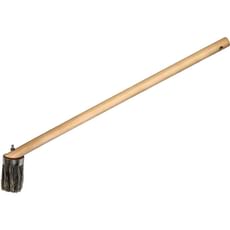
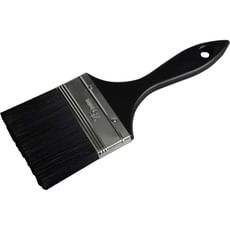
 Loading...
End of content
Error - No more pages to load
About Paint Brushes
Paint brushes remain an essential tool for decorators, tradespeople and DIY enthusiasts across the UK, offering precision and control that rollers and spray equipment simply cannot match. Whether tackling cutting-in work around window frames, applying gloss to skirting boards, or treating masonry surfaces with weatherproof coatings, the right brush makes all the difference to the finished result. Tooled-Up.com stocks a comprehensive selection of paint brushes from trusted brands including Purdy, Faithfull, Draper and Sealey, covering everything from budget-friendly synthetic workshop brushes to professional-grade tools designed for flawless finishes.
Modern paint brushes have evolved considerably, with synthetic bristles now rivalling natural bristle performance for most applications whilst offering superior durability and easier cleaning. The range available from Tooled-Up includes specialist designs such as angled cutting-in brushes for precision work, long-reach brushes for awkward areas, chunky masonry brushes for exterior rendering, and complete brush sets that provide excellent value for contractors and homeowners undertaking larger projects. Quality construction features like tin-coated ferrules prevent corrosion, whilst soft-grip handles reduce hand fatigue during extended painting sessions.
Selecting the appropriate brush width, bristle type and handle design for your specific paint type and surface ensures optimal paint flow, minimal brush marks, and a professional finish that lasts. From delicate varnishing work on furniture to heavy-duty application of primer on rough blockwork, there's a specialist brush designed for every decorating challenge.
Jargon Buster
- Synthetic Bristles: Man-made fibres (typically nylon or polyester) that work exceptionally well with water-based paints and emulsions, offering excellent durability and easy cleaning whilst maintaining their shape through multiple projects.
- Natural Bristles: Traditional bristles made from animal hair (usually hog or badger) that excel with oil-based paints, varnishes and solvent-based coatings due to their natural flagged tips which hold more paint and create smoother finishes.
- Ferrule: The metal band that secures the bristles to the handle, typically made from tin-coated steel or stainless steel to prevent rust when exposed to water or solvents during cleaning.
- Cutting-In: The technique of painting precise edges and corners where surfaces meet (such as walls meeting ceilings or woodwork), typically performed with angled brushes designed specifically for this purpose.
- Flagged Tips: Split or frayed bristle ends that hold more paint and release it more smoothly onto surfaces, resulting in better coverage and fewer visible brush marks in the finished coat.
- Sash Brush: A narrow, precision brush traditionally used for painting window frames and glazing bars, featuring a tapered or angled tip for detailed work in tight spaces.
Who Uses Paint Brushes?
- Professional Painters and Decorators: Tradespeople who require reliable, high-performance brushes for daily use across residential and commercial projects
- Property Maintenance Teams: Council workers, housing association staff and facilities managers maintaining building interiors and exteriors
- Joiners and Carpenters: Woodworking professionals who need quality brushes for applying varnish, wood stain and protective coatings to joinery
- Shop Fitters and Refurbishment Contractors: Specialists who depend on precision brushes for finishing work in retail and commercial spaces
- Building Contractors: General builders requiring durable brushes for primer application, masonry paint and protective coatings on new construction
- DIY Enthusiasts and Homeowners: Individuals undertaking home improvement projects from simple room refreshes to complete property renovations
- Furniture Restorers: Craftspeople who need fine-quality brushes for applying specialist finishes to antique and reproduction furniture
- Theatre Set Painters: Professionals requiring versatile brushes for scenic painting and large-scale decorative work
How to Choose the Right Paint Brushes
Bristle Type Selection: Match your bristle material to your paint type. Synthetic bristles work brilliantly with modern water-based emulsions, acrylics and latex paints, whilst natural bristles remain superior for oil-based gloss, varnish and traditional solvent-based coatings. For general-purpose workshop use where fine finishes aren't critical, synthetic utility brushes offer excellent value and easy maintenance.
Brush Width Considerations: Select brush width based on the surface area and detail level required. Narrow 12-25mm brushes suit intricate work on architraves and glazing bars, 50-75mm brushes handle most general painting tasks efficiently, whilst wide 100-150mm masonry brushes speed up coverage on large exterior walls and rendering. Multi-piece brush sets provide versatile options for varied project requirements.
Handle Design and Comfort: For extended painting sessions, soft-grip or rubberised handles significantly reduce hand fatigue and improve control. Traditional wooden handles offer excellent balance and a classic feel preferred by many professional decorators. Consider handle length too – longer handles provide better reach and leverage when working on larger surfaces.
Quality Construction Features: Look for tin-coated or stainless steel ferrules that resist corrosion, securely attached bristles that won't shed into your paintwork, and well-balanced construction that feels comfortable in hand. The paint brush range at Tooled-Up includes products from established manufacturers like Purdy and Faithfull, whose quality construction ensures bristles maintain their shape through multiple cleaning cycles.
Specialist Brush Types: Angled cutting-in brushes make precise edge work considerably easier, long-reach brushes access awkward areas behind radiators and pipework, whilst stiff-bristled masonry brushes work paint into textured exterior surfaces effectively. Consider keeping specialist brushes alongside general-purpose options for professional results across all applications.
Popular Accessories
- Paint Brush Storage Cases: Wet storage cases keep brushes in optimal condition between coats, preventing bristles from drying out and maintaining flexibility
- Brush Cleaning Solutions: Specialist cleaners for both water-based and solvent-based paints extend brush life and maintain bristle performance
- Paint Kettles and Scuttles: Portable containers that hold working quantities of paint whilst keeping tins sealed and reducing spillage risk
- Masking Tape and Film: Essential protection products from brands like 3M for achieving crisp paint lines and protecting adjacent surfaces
- Dust Sheets and Floor Protection: Heavy-duty cotton sheets or disposable polythene rolls safeguard floors and furnishings during decorating work
- Paint Roller Sets: Complementary application tools for covering large flat areas efficiently before detail work with brushes
- Sandpaper and Abrasives: Surface preparation materials essential for achieving professional paint adhesion and finish quality
- Brush Combs and Cleaning Tools: Specialist implements that remove dried paint from bristles and restore brush shape
Frequently Asked Questions
How do I clean paint brushes properly to maximise their lifespan?
For water-based paints, rinse brushes thoroughly under running water whilst working paint out from the ferrule towards the bristle tips. Use a brush comb to remove stubborn paint, then reshape bristles and hang to dry. For oil-based paints, clean with white spirit or proprietary brush cleaner, working the solvent through the bristles completely before a final wash with warm soapy water. Never leave brushes standing on their bristles in cleaning solution, as this permanently damages their shape. Quality brushes from manufacturers like Purdy can last many years with proper cleaning and storage.
Should I choose synthetic or natural bristle brushes?
Your paint type determines the best bristle choice. Synthetic brushes (nylon or polyester) perform excellently with water-based emulsions, acrylics and latex paints, offering durability and easy cleaning. Natural bristle brushes excel with oil-based gloss, varnish and traditional alkyd paints, as their flagged tips hold more paint and create smoother finishes. For most modern DIY and professional decorating work using water-based products, synthetic brushes provide outstanding performance at accessible price points. Keep both types in your toolkit for versatility across all paint systems.
What brush sizes should I have for general decorating work?
A well-equipped decorator's kit typically includes a 25mm angled cutting-in brush for precise edge work, a 50mm brush for woodwork like skirting boards and door frames, and a 75mm brush for larger flat surfaces. Adding a 100mm brush speeds up wall coverage when working alongside rollers. Multi-piece brush sets available at Tooled-Up offer excellent value, providing several size options in one package. Professional decorators often maintain duplicate brushes in common sizes – one for oil-based products and another dedicated to water-based paints.
How can I prevent brush marks showing in my finished paintwork?
Brush mark visibility depends on several factors: use quality brushes with flagged bristle tips that release paint smoothly, avoid overloading the brush with too much paint, apply consistent pressure throughout each stroke, and always brush out in the direction of the grain on woodwork. For large flat areas, lay paint on generously then "lay off" with light finishing strokes. Higher-quality paints with better flow characteristics also reduce brush marking significantly. Maintain a wet edge whilst working to prevent overlapping onto partially dried paint, which creates visible joins.
Do I need different brushes for interior and exterior painting?
Whilst you can use the same brushes for both applications, exterior work benefits from more robust brushes designed for demanding conditions. Masonry brushes with stiff, durable bristles work paint into rough rendered surfaces and textured blockwork more effectively than standard decorating brushes. Exterior work also tends to be less concerned with ultra-fine finishes, so hardwearing synthetic utility brushes provide excellent service life. For exterior woodwork requiring fine gloss finishes, use the same quality brushes you'd employ for interior joinery to achieve professional results that protect timber effectively.