

Paint Mixers

Pay in 3 interest-free payments on purchases from £20-£3000 with  . Learn more.
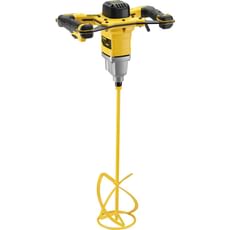
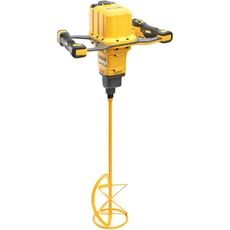
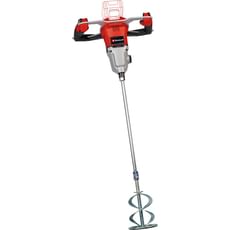
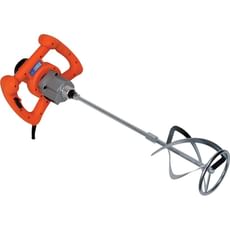
Einhell Professional TP-MX 18-2 Li BL 18v Cordless Brushless Paddle Mixer
in stock
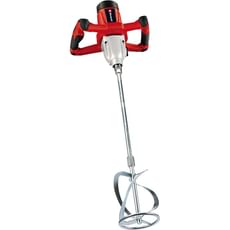
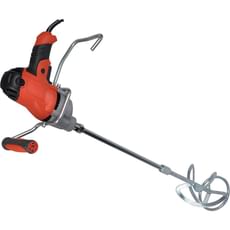
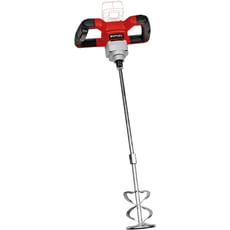
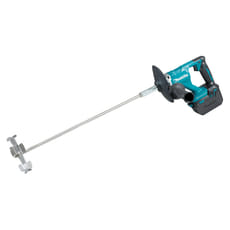
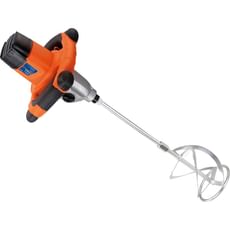
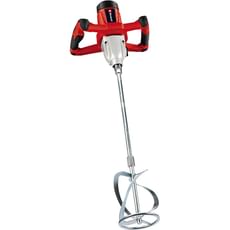
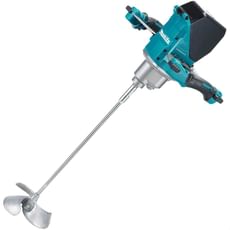
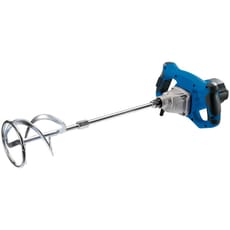
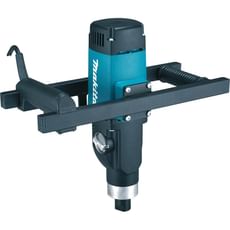
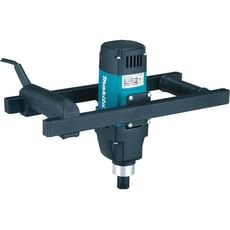
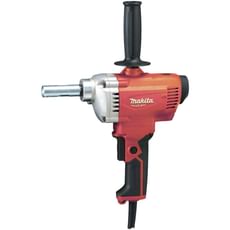
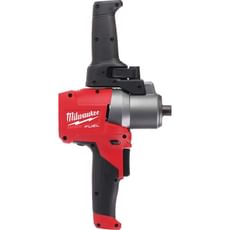
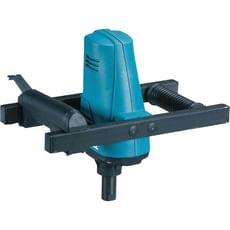
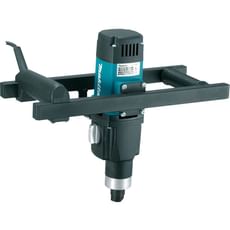
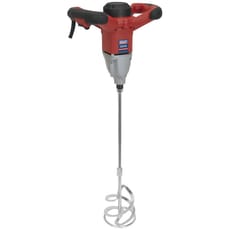
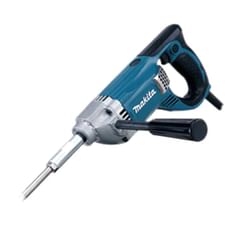
 Loading...
End of content
Error - No more pages to load
About Paint Mixers
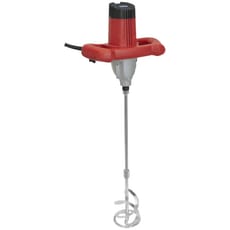
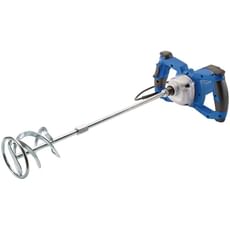
Paint mixers, also known as paddle mixers or mixing drills, are specialised power tools engineered to efficiently blend paint, plaster, mortar, cement, adhesives, and other viscous materials. Unlike standard drills, these robust machines feature powerful motors with high torque at lower speeds, allowing them to handle thick, heavy materials without stalling or overheating. The mixing paddles create a thorough, lump-free consistency that's essential for professional results, whether you're preparing emulsion for a large decorating project or mixing render for exterior walls.
Tooled-Up.com stocks paint mixers in both corded and cordless formats, with cordless models offering the flexibility to work on sites without power supplies. Leading manufacturers like Makita, DeWalt, Milwaukee, and Einhell produce mixers ranging from compact 18V cordless units for occasional use through to heavy-duty professional machines capable of handling large batches of thick materials. Features such as brushless motors, electronic speed control, and ergonomic handles make today's mixers more efficient and comfortable to use than ever before.
Whether you're working with 5-litre buckets of paint or 25kg bags of plaster, the right mixer dramatically reduces preparation time and arm fatigue whilst ensuring consistent results. Professional-grade models can handle mixing paddles up to 160mm in diameter and will run continuously throughout a working day, whilst lighter-duty options suit occasional DIY tasks and smaller batches perfectly.
Jargon Buster
- Paddle Mixer: A power tool specifically designed for mixing thick materials, featuring a mixing paddle attachment rather than a drill chuck. The paddle creates the stirring action needed for paints, plaster, and mortar.
- Brushless Motor: Modern motor technology that eliminates carbon brushes, resulting in greater efficiency, longer runtime, reduced maintenance, and extended tool life. Particularly beneficial in cordless models.
- Torque: The rotational force produced by the mixer, measured in Newton metres (Nm). Higher torque allows the tool to handle thicker, heavier materials without bogging down.
- No-Load Speed (RPM): The maximum rotational speed of the mixer when not under load, typically between 300-1000 RPM. Lower speeds with high torque are ideal for mixing to prevent splashing and air incorporation.
- M14 Thread: The standard thread size on most mixing paddles and attachments, allowing quick changes between different paddle types and sizes for various materials and batch volumes.
- Electronic Speed Control: A feature allowing precise adjustment of mixing speed via a dial or trigger, enabling optimal speeds for different materials from thin paints to thick adhesives.
Who Uses Paint Mixers?
Paint mixers are essential tools for a wide range of trades and applications:
- Painters and Decorators: For preparing large quantities of emulsion, masonry paint, and specialist coatings, ensuring consistent colour and texture throughout projects
- Plasterers: Mixing plaster, bonding compound, and finishing materials to the perfect consistency for application
- Bricklayers and Groundworkers: Preparing mortar, cement renders, and grout for masonry work and paving projects
- Tilers: Mixing tile adhesives and grouts to lump-free consistency for professional installations
- Dry Liners: Preparing jointing compounds and fillers for plasterboard finishing
- Resin Flooring Specialists: Blending epoxy resins and self-levelling compounds that require thorough, consistent mixing
- Maintenance Contractors: General building maintenance requiring various mixed materials from waterproofing compounds to exterior coatings
- DIY Enthusiasts: Home renovation projects involving painting, plastering, or any tasks requiring material mixing
How to Choose the Right Paint Mixers
Power Source: Corded mixers provide consistent power for continuous heavy-duty use and are ideal if you're working near mains electricity. Cordless models offer portability and convenience on sites without power, with 18V systems suitable for lighter materials and occasional use, whilst 40V and 54V platforms like Makita XGT and DeWalt FlexVolt deliver professional performance for demanding applications.
Motor Power and Torque: Corded mixers typically range from 1200W to 1600W, with higher wattage providing more power for thick materials and larger batches. Look for high torque ratings (measured in Nm) which indicate the tool's ability to handle heavy loads without stalling. Brushless motors deliver approximately 25% more efficiency and longer runtime in cordless models.
Speed Settings: Two-speed models offer versatility, with lower speeds (300-500 RPM) for thick materials like plaster and mortar, and higher speeds (600-1000 RPM) for thinner paints and coatings. Variable speed control via trigger or dial provides precise adjustment for different viscosities and batch sizes.
Build Quality and Durability: Professional-grade mixers from Makita, DeWalt, and Milwaukee feature robust gearboxes, reinforced housings, and sealed components that withstand site conditions and continuous use. Consider the duty cycle—professional tools can run all day, whilst DIY-grade models suit intermittent use.
Ergonomics: Mixing can be physically demanding, so look for features like rubberised grips, balanced weight distribution, and additional handles for better control. Corded models with loop handles provide excellent stability when mixing in large containers.
Paddle Compatibility: Most mixers accept standard M14 threaded paddles, but verify compatibility and consider the maximum paddle diameter the motor can drive effectively—typically between 100mm and 160mm depending on the tool's power rating.
Popular Accessories
- Mixing Paddles: Various designs for different materials—spiral paddles for paints and thin liquids, basket paddles for plaster and adhesives, and heavy-duty paddles for mortar and thick compounds. Available in different diameters to match batch sizes.
- Paddle Extensions: M14 threaded extensions allowing you to mix in deeper containers or large drums whilst maintaining an ergonomic working position.
- Additional Batteries and Chargers: For cordless models, extra batteries ensure uninterrupted workflow, whilst rapid chargers minimise downtime between charges.
- Carrying Cases: Protective cases keep your mixer and accessories organised and protected during transport and storage on site.
- Mixing Buckets: Purpose-designed buckets with measurement markings and reinforced construction for repeated use with power mixers.
- Dust Extraction Attachments: Some models accept dust shrouds when mixing powder materials, reducing airborne dust and improving site cleanliness.
Safety Information
Paint mixers are powerful tools that require proper safety precautions:
- Always wear appropriate PPE including safety glasses or goggles to protect against splashes, dust masks when mixing powders, and protective gloves when handling materials and cleaning paddles.
- Ensure containers are stable and adequately sized for the batch volume—never overfill, as this increases splash risk and motor strain.
- Keep the paddle fully submerged before starting the mixer to prevent splashing. Start at low speed and gradually increase as the material blends.
- Maintain a firm two-handed grip and brace yourself against the rotational force, particularly when the paddle encounters resistance or when mixing thick materials.
- Disconnect power or remove the battery before changing paddles or performing any maintenance. Allow the paddle to come to a complete stop before removal.
- Inspect paddles and attachments regularly for damage or wear. Bent or damaged paddles can cause vibration and loss of control.
- Corded models should be used with 240v RCD protection to guard against electrical faults, particularly in damp environments or outdoor sites.
- Follow HSE guidelines and COSHH regulations when working with chemical materials, adhesives, and resins that may require additional ventilation or protective equipment.
Frequently Asked Questions
What's the difference between a paint mixer and a standard drill?
Paint mixers are purpose-built with high-torque, low-speed gearboxes specifically designed for mixing thick materials. They produce significantly more rotational force at lower RPMs (typically 300-1000 RPM) compared to standard drills which run at much higher speeds. This prevents splashing, reduces air incorporation into the mix, and ensures the motor doesn't overheat or stall when handling heavy, viscous materials. Paint mixers also feature robust construction and often include additional handles for better control.
Can I use a cordless paint mixer for heavy-duty plastering work?
Modern cordless mixers in higher voltage platforms (40V and 54V systems like Makita XGT and DeWalt FlexVolt) deliver professional performance suitable for plastering work. However, battery capacity limits continuous runtime—you'll need multiple batteries for a full day's work. For intensive, all-day mixing of thick plaster and mortar, corded models remain the preferred choice due to consistent power delivery. An 18V cordless mixer suits lighter materials and smaller batches but may struggle with continuous heavy-duty plasterer's applications.
What size mixing paddle should I use?
Paddle size depends on both your mixer's power rating and the batch volume you're preparing. As a general guide: paddles up to 120mm diameter suit paint, emulsion, and thin materials in 10-25 litre batches; 120-140mm paddles work well for plaster and adhesives in 20-40 litre containers; whilst 140-160mm paddles are for heavy mortar and large batch volumes, requiring a powerful mixer (1400W+). Always check your mixer's specifications for maximum recommended paddle diameter—oversizing can damage the gearbox or motor.
How do I prevent splashing when mixing paint or plaster?
Start with the paddle fully submerged in the material before powering on. Begin at the lowest speed setting and only gradually increase once the initial mixing has created a more uniform consistency. Keep the paddle positioned centrally and towards the bottom of the container, avoiding lifting it near the surface during operation. For powdered materials like plaster, add powder to water (not water to powder) and allow it to slake for a minute before mixing. Using a container with adequate freeboard (headroom above the material level) also reduces splash risk.
Do I need a two-speed mixer?
Two-speed functionality adds versatility if you work with varied materials. Lower speeds (typically 300-500 RPM) provide maximum torque for thick plasters, mortars, and heavy adhesives, whilst higher speeds (600-1000 RPM) suit thinner paints, primers, and coating materials. The selection available from Tooled-Up includes both single and two-speed models—if you primarily work with one material type, a single-speed model may suffice. However, the flexibility of dual speeds makes these mixers more adaptable across different trades and applications, often justifying the modest price difference for professional users.