

Paint Paddle Mixers
Pay in 3 interest-free payments on purchases from £30-2000 with  . Learn more.
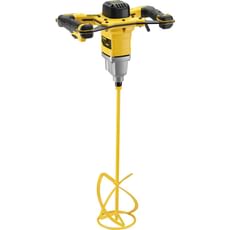
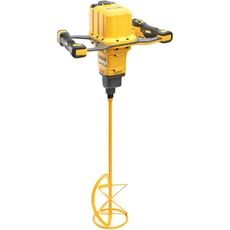
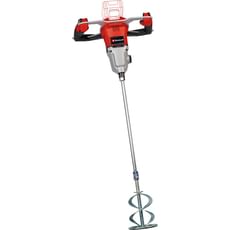
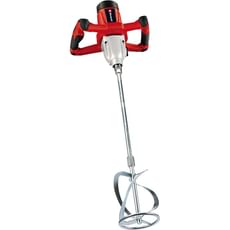
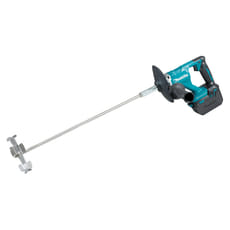
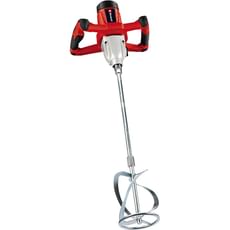
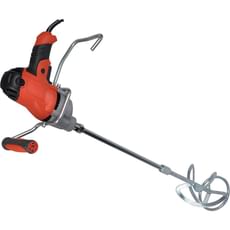
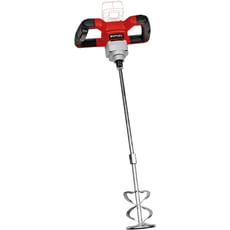
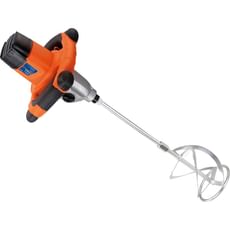
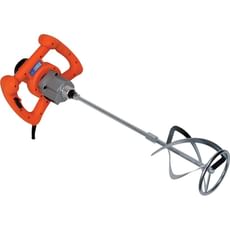
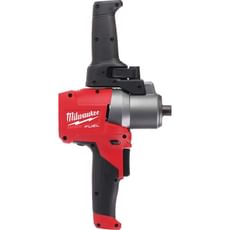
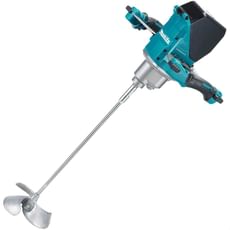
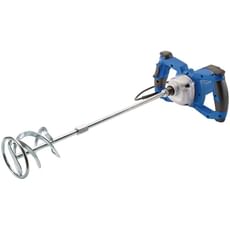
Einhell Professional TP-MX 18-2 Li BL 18v Cordless Brushless Paddle Mixer
in stock
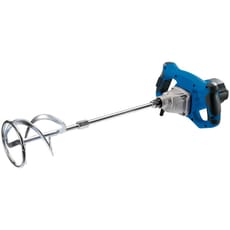
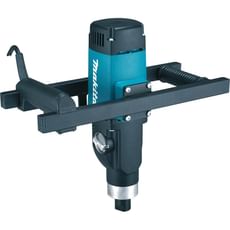
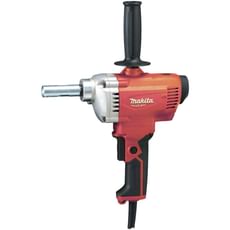
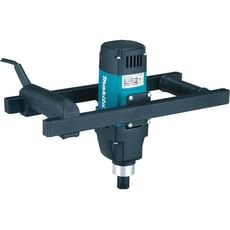
 Loading...
End of content
Error - No more pages to load
About Paint Paddle Mixers
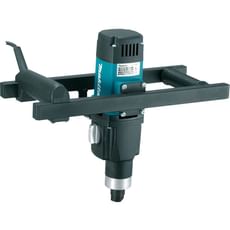
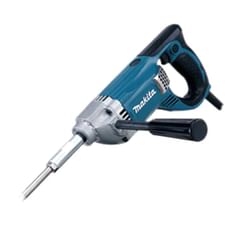
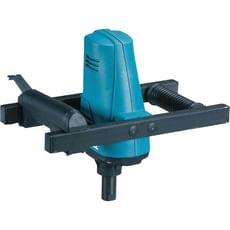
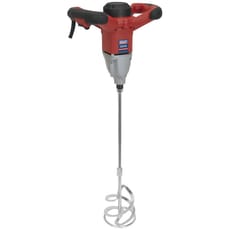
Paint paddle mixers are powerful, specialist tools designed to combine liquids, powders, and viscous materials quickly and efficiently. Unlike standard drill drivers, these machines deliver high torque at low speeds, making them essential for mixing everything from emulsion paint and plaster to tile adhesive, render, concrete, and epoxy resins. With motor outputs typically ranging from 1200W to 1800W for corded models, paint paddle mixers handle heavy-duty mixing applications that would quickly overwhelm conventional power tools.
The selection at Tooled-Up.com includes both corded electric models operating on 240v mains power and cordless battery-powered alternatives from leading manufacturers including Makita, DeWalt, Milwaukee, and Einhell. Corded paddle mixers offer unlimited runtime and consistent power delivery, making them ideal for prolonged site work or workshop use. Cordless models provide unmatched portability and convenience, particularly valuable on sites without readily available power supplies or when working across multiple locations. Modern brushless motor technology in premium cordless mixers delivers performance comparable to corded equivalents whilst maximising battery efficiency.
Most professional paint paddle mixers feature an M14 threaded spindle connection as standard, providing secure attachment for a wide variety of mixing paddles in different sizes and configurations. Variable speed control, soft-start functionality, and ergonomic side handles or D-handles are common features that enhance user control and reduce operator fatigue during extended mixing sessions. Two-speed gearboxes on higher-specification models allow operators to select the optimal speed for different material viscosities and container sizes.
Jargon Buster
- M14 Connection: The standardised thread size used on professional paddle mixers for attaching mixing paddles and other accessories. This metric thread (14mm diameter) ensures compatibility across different brands and paddle types.
- Torque: The rotational force delivered by the mixer, measured in Newton metres (Nm). Higher torque ratings enable the tool to mix thicker, heavier materials without stalling or labouring. Professional paddle mixers typically deliver 60-120Nm of torque.
- Brushless Motor: An electronically controlled motor design without carbon brushes, offering improved efficiency, longer runtime on cordless models, reduced maintenance requirements, and extended tool lifespan compared to traditional brushed motors.
- Soft Start: A feature that gradually increases motor speed when the trigger is pulled, preventing sudden torque reactions that could wrench the tool from the operator's hands or splash unmixed material from the container.
- No-Load Speed: The maximum rotational speed (measured in RPM - revolutions per minute) the mixer achieves without load. Paddle mixers typically operate between 200-800 RPM, considerably slower than standard drills but with far greater mixing power.
- FLEXVOLT / XGT: Advanced battery platforms from DeWalt and Makita respectively, delivering higher voltage (54v/40v) for increased power output, enabling cordless mixers to match or exceed the performance of 240v corded equivalents.
Who Uses Paint Paddle Mixers?
- Plasterers - mixing bonding, finishing plaster, skimming compounds, and render in various batch sizes
- Painters and Decorators - combining large quantities of emulsion, masonry paint, textured coatings, and specialist finishes
- Tilers - preparing tile adhesive, grout, levelling compounds, and waterproofing slurries
- Floor Layers - mixing self-levelling compounds, screeds, resin systems, and adhesives for various flooring applications
- Bricklayers and Stonemasons - combining mortar, pointing compounds, and render for masonry work
- General Builders - preparing concrete, cement mixes, and various construction materials on site
- Epoxy and Resin Specialists - thoroughly combining two-part resin systems for flooring, coatings, and repairs
- Landscapers - mixing postcrete, cement, mortar, and decorative render for outdoor projects
- Maintenance Contractors - preparing repair compounds, fillers, and protective coatings across facilities management roles
- DIY Enthusiasts - tackling home renovation projects requiring consistent mixing of decorating and building materials
How to Choose the Right Paint Paddle Mixers
Power Source: Decide between corded 240v models for unlimited runtime and consistent power delivery, or cordless battery-powered mixers for portability and flexibility on sites without mains electricity. Tooled-Up stocks both options across multiple voltage platforms including 18v, 40v XGT, and 54v FLEXVOLT systems.
Motor Power and Torque: Match the mixer's power output to your typical workload. Lightweight decorating work requires 1200-1400W motors, whilst heavy-duty plastering, rendering, or concrete mixing demands 1600W+ models with higher torque ratings. Check the maximum mixing capacity specifications - typically measured in kilograms or litres.
Speed Control: Variable speed triggers provide precise control over mixing speed, essential when working with different material viscosities. Two-speed gearboxes offer greater versatility, with lower speeds (200-400 RPM) for heavy materials and higher speeds (400-800 RPM) for lighter liquids and paints.
Ergonomics and Handling: Consider the handle configuration - side-mounted handles provide excellent stability for vertical mixing in buckets, whilst top D-handles suit different working positions. Soft-grip surfaces, balanced weight distribution, and overall tool weight (typically 3-7kg) significantly impact operator comfort during prolonged use.
Build Quality and Durability: Professional-grade mixers feature robust metal gearboxes, reinforced housings, and sealed switches to withstand harsh site conditions and material splashes. Premium models incorporate overload protection, thermal cut-outs, and improved dust sealing for extended service life.
Brand Compatibility: If you've already invested in a battery platform from Makita, DeWalt, Milwaukee, or Einhell, choosing a cordless mixer compatible with your existing batteries provides excellent value and eliminates the need to purchase additional charging systems.
Popular Accessories
- Mixing Paddles - various designs including spiral, basket, and plaster paddles in different diameters (80mm-160mm) for specific materials and container sizes
- M14 Adaptors - thread converters and quick-release systems for easier paddle changes during multi-material projects
- Spare Batteries and Chargers - additional power packs ensure uninterrupted workflow when using cordless models
- Mixing Buckets and Containers - heavy-duty graduated buckets designed specifically for construction mixing applications
- Paddle Cleaner Attachments - specialised tools for removing dried material from mixer paddles between batches
- Extension Handles - longer spindles for reaching the bottom of deep containers or large mixing drums
- Carrying Cases - protective storage solutions for transporting paddle mixers and accessories between sites
- Safety Goggles and Dust Masks - essential PPE when mixing powdered materials that may splash or create airborne particles
Safety Information
Personal Protective Equipment: Always wear appropriate eye protection when operating paddle mixers to guard against material splashes. Dust masks or respirators are essential when mixing powdered compounds. Protective gloves prevent skin contact with potentially irritating materials like cement, plaster, and chemical compounds.
Secure Workpieces: Always ensure mixing containers are stable and cannot tip during operation. Never hold small containers by hand whilst mixing - secure them properly or use appropriately sized vessels. The high torque generated by paddle mixers can cause sudden rotational forces if the paddle encounters resistance or binds within thick materials.
Two-Handed Operation: Maintain firm control using both the main handle and auxiliary side handle at all times. The soft-start feature helps minimise sudden torque reactions, but operators should always brace themselves, particularly when starting in thick materials or when the paddle initially engages the mix.
Electrical Safety: When using 240v corded models, ensure cables are undamaged and routed safely away from the mixing area to prevent damage from material spills or foot traffic. Use RCD protection (residual current devices) when operating on construction sites, and never use corded tools in wet conditions or standing water.
Material Hazards: Consult material safety data sheets (COSHH assessments) for the substances being mixed. Many construction materials contain cement, resins, or chemicals that can cause skin irritation or respiratory issues. Ensure adequate ventilation when mixing in enclosed spaces, particularly with solvent-based or chemical products.
Maintenance and Inspection: Clean mixing paddles and the tool spindle thoroughly after each use to prevent material build-up that could affect balance or cause vibration. Regularly inspect power cables, switches, and handles for damage. Never use a paddle mixer with a bent or damaged spindle as this creates dangerous imbalance during operation.
Frequently Asked Questions
What's the difference between a paddle mixer and a regular drill?
Paddle mixers are purpose-built for mixing applications, delivering high torque at low speeds (typically 200-800 RPM) through robust gearboxes designed for continuous heavy-duty operation. Standard drills operate at much higher speeds with lower torque, making them unsuitable for mixing thick materials - attempting to do so risks overheating the motor, stripping gears, or causing dangerous kickback. Paddle mixers also feature ergonomic two-handed designs with side handles for better control during mixing operations.
Can I use any paddle with my mixer?
Most professional paddle mixers feature an M14 threaded connection which is the industry standard, meaning mixing paddles from different manufacturers will generally fit. However, always check the maximum paddle diameter recommended for your specific mixer model, as oversized paddles can overload the motor. Match paddle designs to materials - spiral paddles suit runny liquids, whilst heavier basket or plaster paddles work better for thick compounds.
How long will a cordless paddle mixer run on a single battery?
Runtime varies considerably depending on battery capacity (measured in Ah - amp hours), material thickness, mixing speed, and batch sizes. As a general guide, a 5.0Ah battery on an 18v mixer typically provides 15-25 minutes of continuous heavy mixing, sufficient for multiple batches of plaster or tile adhesive. Higher voltage platforms like 40v XGT or 54v FLEXVOLT with 6.0Ah+ batteries can deliver 30-45 minutes of intensive use. Always have spare batteries charged and ready for uninterrupted workflow on site.
What power rating do I need for mixing concrete?
Concrete mixing requires substantial power due to the material's weight and density. Look for corded models rated at 1600W minimum, or high-voltage cordless mixers (40v/54v platforms) which deliver equivalent performance. Check the manufacturer's stated maximum mixing capacity - heavy-duty mixers designed for concrete typically handle 60-80kg of mixed material. For occasional small batches, a 1400W mixer may suffice, but regular concrete mixing demands professional-grade equipment.
How do I prevent material from splashing when starting the mixer?
Start with the paddle fully submerged beneath the material surface before pulling the trigger. Use the soft-start feature if your mixer has one, and begin at low speed, gradually increasing as the materials combine. Tilt the paddle slightly during initial engagement rather than holding it perfectly vertical. When adding powder to liquid, pour slowly whilst mixing at low speed rather than dumping large quantities at once. Choose appropriately sized containers with sufficient freeboard (headroom above the material level) to contain splashes.