

Paint Rollers & Trays
Pay in 3 interest-free payments on purchases from £30-2000 with  . Learn more.
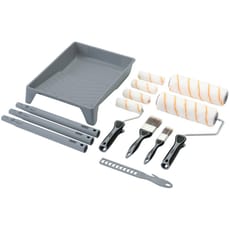
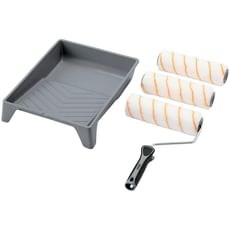


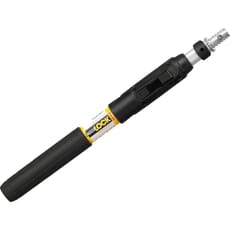
 Loading...
End of content
Error - No more pages to load
About Paint Rollers & Trays
Paint rollers and trays are essential tools for achieving professional-quality finishes on walls, ceilings, and large flat surfaces. Whether you're a professional decorator tackling commercial projects or a DIY enthusiast refreshing a bedroom, the right roller and tray combination can dramatically reduce application time whilst delivering smooth, even coverage. Tooled-Up.com stocks a comprehensive selection of paint rollers and trays suitable for emulsion, gloss, masonry paint, and specialist coatings, with options ranging from budget-friendly disposable trays to professional-grade roller frames built to withstand years of daily use.
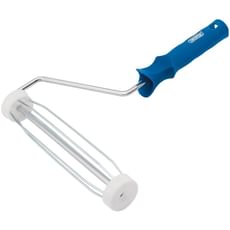
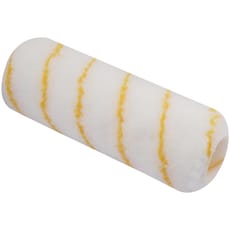
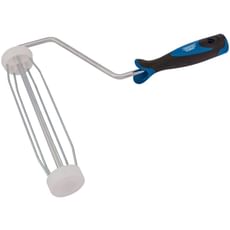
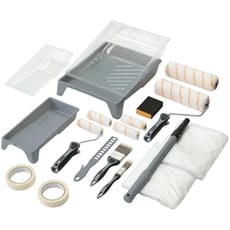
The paint roller system comprises several key components: the roller frame (or cage), which holds the roller sleeve securely; the roller sleeve (or refill), available in different pile lengths and materials for various paint types and surface textures; the paint tray, designed to hold paint and provide a ribbed surface for loading the roller evenly; and optional extension poles that allow you to reach high ceilings and walls without ladders. Understanding how these components work together is crucial for selecting the right equipment for your specific painting project.
Modern paint roller technology has evolved significantly, with innovations including microfibre sleeves for ultra-smooth finishes, specialist radiator rollers for confined spaces, and quick-release frames for rapid sleeve changes on large projects. The paint roller and tray system remains the fastest and most efficient method for covering large areas, typically applying paint four to five times faster than brush application whilst minimising visible brush marks and ensuring consistent film thickness across the painted surface.
Jargon Buster
- Pile Length: The depth of the roller sleeve fibres, typically measured in millimetres. Short pile (4-6mm) suits smooth surfaces like plaster and provides a fine finish; medium pile (9-12mm) works for lightly textured surfaces; long pile (18mm+) is designed for rough surfaces like pebbledash or masonry.
- Nap: Another term for the fabric surface of a roller sleeve. "Nap direction" refers to how the fibres lie, which affects paint pickup and release characteristics during application.
- Roller Frame (Cage): The metal or plastic skeleton that holds the roller sleeve in place. Professional frames feature sturdy wire construction and comfortable handles, whilst disposable frames are suitable for occasional use.
- Scuttle: A handheld paint container with an integrated roller grid, allowing decorators to work from ladders or scaffolding without a separate tray. Popular with professional tradespeople for cutting-in and detail work.
- Mohair Roller: A roller sleeve made from mohair fibres or mohair-blend materials, designed specifically for applying gloss, varnish, and oil-based paints to achieve an exceptionally smooth, brush-mark-free finish.
- Stipple Effect: The textured finish created by using specific roller techniques or textured sleeves. Some decorative rollers are designed specifically to create patterned or stippled wall finishes.
Who Uses Paint Rollers & Trays?
- Professional Decorators & Painters: Daily users requiring durable, high-quality roller systems for residential and commercial projects
- Maintenance Teams: Facilities managers and maintenance operatives refreshing walls, ceilings, and communal areas in schools, hospitals, and offices
- Property Developers & Landlords: Those preparing rental properties and development projects for market
- Shopfitters & Retail Contractors: Specialists finishing retail spaces to tight deadlines
- DIY Enthusiasts: Homeowners undertaking renovation projects, redecorating rooms, and general home improvement
- Interior Designers: Professionals specifying and sometimes applying decorative finishes for clients
- Heritage & Restoration Specialists: Tradespeople working on listed buildings and conservation projects requiring specific application techniques
How to Choose the Right Paint Rollers & Trays
Surface Type Considerations: Match your roller sleeve pile length to the surface texture. Smooth plasterboard and previously painted walls require short pile (4-6mm) sleeves for a fine finish. Lightly textured surfaces like woodchip wallpaper work best with medium pile (9-12mm), whilst rough render, brickwork, and pebbledash demand long pile (18mm+) sleeves to push paint into all the surface irregularities.
Paint Type Compatibility: Different paints require different roller materials. Synthetic sleeves work excellently with water-based emulsions and are available at Tooled-Up in various quality grades. Mohair or mohair-blend rollers are essential for oil-based gloss and varnish to prevent fibre shedding and achieve that coveted mirror-smooth finish. Foam rollers suit specific applications like applying adhesive or creating textured effects.
Frame Quality & Durability: Professional decorators should invest in metal-framed rollers with comfortable, solvent-resistant handles and smooth-rotating cages that won't mark walls. Quick-release frames allow rapid sleeve changes without getting paint on your hands. DIY users completing occasional projects may find budget plastic frames perfectly adequate, though the improved handling of professional frames justifies the modest additional cost.
Tray Size & Material: Standard 9-inch trays suit most domestic projects, whilst 12-inch and 18-inch trays accommodate larger commercial rollers for covering extensive areas quickly. Metal trays offer superior durability for professional use and can be thoroughly cleaned for repeated use. Plastic trays are lightweight and economical, whilst disposable trays eliminate cleaning time on small projects. Consider roller tray liners for easy cleanup—simply dispose of the liner and keep the tray clean.
Extension Pole Compatibility: Check that your roller frame accepts standard threaded extension poles. This feature transforms painting efficiency when tackling ceilings, stairwells, and high walls, eliminating constant ladder repositioning and reducing physical strain. Extension poles are available in fixed and telescopic versions from 1 metre to 4 metres.
Popular Accessories
- Paint Roller Extension Poles: Telescopic and fixed-length poles for reaching high walls and ceilings without ladders
- Roller Tray Liners: Disposable plastic liners that fit inside paint trays for quick cleanup between colours
- Paint Brushes: Essential for cutting-in around edges, corners, and detail work that rollers cannot reach
- Masking Tape & Dust Sheets: Protect surfaces, fixtures, and flooring from paint splatter and drips
- Paint Scuttles: Portable paint containers with integrated grids for working from ladders
- Roller Spinner Tools: Devices that spin excess paint and water from roller sleeves for thorough cleaning
- Paint Kettles & Mixing Paddles: For decanting and mixing paint before application
- Decorators' Gloves: Disposable and reusable gloves to keep hands clean during painting projects
Safety Information
Whilst paint rollers themselves present minimal safety hazards, proper use and awareness of related risks ensure safe working practices. Always read paint manufacturer instructions regarding ventilation requirements, particularly when using oil-based paints and primers in confined spaces. Ensure adequate ventilation to prevent the buildup of solvent fumes, which can cause dizziness and respiratory irritation.
When using extension poles to reach high areas, maintain awareness of overhead hazards including light fixtures and, critically, electrical cables and outlets. Never work near live electrical equipment with wet paint rollers or whilst standing on wet surfaces. Follow HSE guidance regarding working at height—extension poles reduce but do not eliminate the need for proper access equipment on many projects.
Dispose of paint-soaked materials responsibly. Oil-based paint-saturated roller sleeves and cloths can spontaneously combust if left bunched together as they dry. Spread used materials flat outdoors to dry or immerse them in water in a sealed metal container before disposal. Always follow COSHH guidelines when handling paints, thinners, and cleaning solvents, wearing appropriate protective gloves and eye protection where product datasheets recommend.
Frequently Asked Questions
How do I clean paint rollers for reuse?
For water-based emulsion, rinse the roller sleeve under running water whilst working paint out with your fingers until the water runs clear. A roller spinner accelerates drying. For oil-based paints, work white spirit or brush cleaner through the sleeve, then wash with warm soapy water and rinse thoroughly. High-quality sleeves can last dozens of applications if properly cleaned and dried.
What size paint tray do I need for my roller?
Match your tray size to your roller width—a 9-inch (230mm) roller requires a 9-inch tray, which is the standard size for most domestic projects. Smaller 4-inch trays suit mini rollers for furniture and confined spaces, whilst 12-inch and 18-inch trays accommodate larger commercial rollers for extensive wall and ceiling coverage.
Can I use the same roller for emulsion and gloss paint?
Whilst technically possible if thoroughly cleaned between uses, best practice recommends dedicated rollers for different paint types. Synthetic sleeves work superbly for emulsion but can leave texture in gloss finishes. Mohair rollers designed for gloss and varnish deliver superior results with oil-based products but are unnecessarily expensive for standard emulsion work.
How do I prevent roller marks and streaks?
Load the roller evenly by rolling it thoroughly in the tray—don't overload with dripping paint. Apply in overlapping W or M patterns rather than straight lines, then roll over the area without reloading to even out the coverage. Maintain a wet edge and avoid going back over paint that has started to dry, which causes visible marks and texture differences.
Are disposable paint trays worth using?
Disposable trays offer excellent value for single-colour projects or when using difficult-to-clean products like specialist primers. For professional decorators completing multiple projects or DIY enthusiasts painting several rooms in different colours, reusable metal or rigid plastic trays with disposable liners provide the best balance of durability and convenience.