

Paint Spray Systems
Pay in 3 interest-free payments on purchases from £30-2000 with  . Learn more.
 Loading...
End of content
Error - No more pages to load
About Paint Spray Systems
Paint spray systems have transformed the way professionals and DIY enthusiasts tackle painting projects, delivering faster coverage and superior finishes compared to traditional brushes and rollers. These advanced tools utilise compressed air or airless technology to atomise paint into a fine, controlled mist, creating smooth, even coatings across diverse surfaces including walls, ceilings, furniture, fences, cabinetry, and architectural joinery. Whether you're a professional decorator managing multiple commercial contracts or a homeowner refreshing your property, investing in a quality paint spray system can dramatically reduce application time whilst achieving consistently professional results.
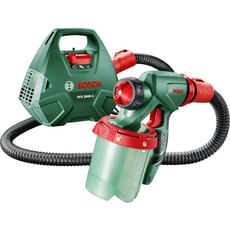
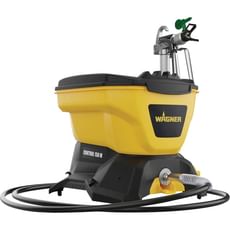
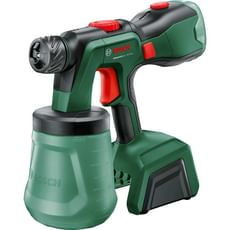
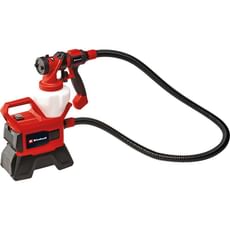
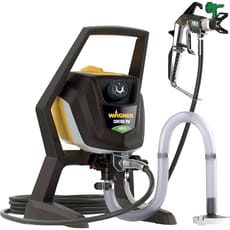
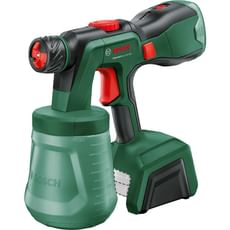
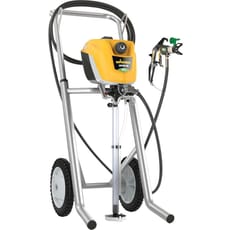
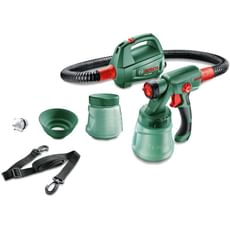
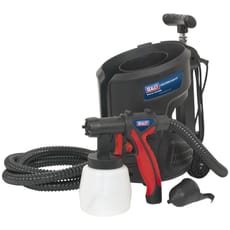
The paint spray systems available from Tooled-Up.com span various configurations to suit different applications, budgets, and working environments. Corded electric models like the Bosch PFS range deliver consistent 240v power for extended projects with unlimited runtime, making them ideal for workshop environments and interior refurbishment work. Cordless 18v systems from Bosch, Einhell, and other leading manufacturers provide exceptional mobility for site work, outdoor applications, and locations without convenient mains access. HVLP (High Volume Low Pressure) systems such as the Sealey HVLP3000 offer precise control with reduced overspray, perfect for detailed finishing and enclosed spaces, whilst airless sprayers like the Wagner Control Pro series excel at covering large surface areas rapidly with thicker coatings including masonry paint and primers.
This comprehensive category encompasses everything from entry-level systems suited to occasional DIY projects through to robust professional-grade equipment designed for daily commercial use. With leading brands including Bosch, Wagner, Einhell, and Sealey all represented, you'll find spray systems compatible with water-based emulsions, solvent-based gloss finishes, varnishes, wood treatments, stains, and primers. Modern systems feature adjustable spray patterns, variable flow control, quick-release containers, and tool-free cleaning designs that transform them from occasional luxuries into practical everyday tools. Many current models incorporate brushless motor technology and advanced atomisation systems that deliver superior transfer efficiency, reducing paint wastage whilst improving finish quality.
Jargon Buster
- HVLP (High Volume Low Pressure)
- A spray technology that atomises paint using high air volume at low pressure, resulting in significantly reduced overspray, better transfer efficiency, and more controlled application. Ideal for detailed work, furniture finishing, and enclosed spaces where overspray containment is essential.
- Airless Spray
- A powerful system that pressurises paint directly through a precision nozzle without using compressed air, creating a forceful spray pattern suitable for thick coatings and large-scale commercial projects. Offers faster coverage rates but requires comprehensive masking due to increased overspray potential.
- Spray Pattern
- The shape of paint distribution from the nozzle, typically adjustable between horizontal, vertical, and circular patterns to suit different surfaces and applications. Quality systems offer tool-free pattern adjustment with clear visual indicators for each setting.
- Flow Rate/Output
- Measured in ml/min, this specification indicates the volume of paint the system can spray per minute. Higher flow rates suit large walls and ceilings, whilst lower rates provide superior control for detailed joinery work and furniture finishing.
- Viscosity Cup
- A calibrated measuring tool supplied with many spray systems to assess paint thickness. Paint is timed as it flows through the cup's orifice to determine whether thinning is required for optimal atomisation and spraying performance with your specific system.
- Nozzle/Tip Size
- The diameter of the spray opening, measured in millimetres. Smaller nozzles (1.0-1.5mm) suit thin coatings like lacquers, stains, and detailed work, whilst larger nozzles (2.0-2.5mm) handle thicker materials including masonry paint, emulsion, and high-build primers.
Who Uses Paint Spray Systems?
Paint spray systems serve a diverse range of users across professional trades and domestic applications:
- Professional Decorators and Painters: Using spray systems daily for residential and commercial projects, achieving high-quality finishes quickly across extensive wall areas, ceilings, and architectural features
- Property Maintenance Contractors: Requiring portable, reliable systems for refurbishment work, void property turnover, social housing maintenance, and regular redecoration schedules
- Furniture Makers and Restorers: Applying fine finishes, varnishes, lacquers, and specialist coatings to wooden furniture, kitchen cabinets, bespoke joinery, and decorative pieces
- Shopfitters and Joiners: Finishing installed joinery, fitted furniture, architectural woodwork, and retail fixtures to professional standards on site
- Vehicle Body Shops: Using specialised spray equipment for automotive refinishing, panel preparation, and detail work requiring precise control
- Fencing Contractors and Landscapers: Treating and finishing outdoor timber structures, garden furniture, decking, sheds, and decorative features efficiently
- DIY Enthusiasts: Homeowners tackling interior redecoration, garden projects, furniture upcycling, garage conversions, and general painting tasks with professional results
- Facilities Managers: Maintaining commercial properties, educational establishments, healthcare facilities, and public buildings with efficient coating application systems
- Kitchen and Bathroom Fitters: Spraying cabinets, units, and architectural elements for factory-quality finishes on site installations
How to Choose the Right Paint Spray Systems
Power Source and Mobility: Consider whether corded electric or cordless battery operation suits your working environment better. Mains-powered 240v units like the Bosch PFS series offer unlimited runtime for extended projects and consistent power output, making them ideal for workshop use, interior decoration, and sites with accessible electrical supply. Battery-powered 18v systems provide excellent mobility for site work, outdoor applications, remote locations, and scaffolding work where trailing cables present trip hazards. If you already invest in a particular battery platform (Bosch PowerForAll, Einhell Power X-Change), choosing a compatible spray system maximises your existing battery investment and eliminates additional charger purchases.
Project Scale and Frequency: Entry-level systems suit occasional DIY use and smaller projects like furniture refinishing, garden fence treatments, or single-room redecoration. Mid-range options like the Wagner Flexio series provide better durability and performance for regular DIY work and light professional use. Professional-grade systems such as the Bosch ADVANCEDSPRAY justify their investment through superior build quality, brushless motor technology, consistent performance under daily commercial use, and advanced features like variable speed control and precision flow adjustment that enhance productivity on demanding contracts.
Paint Types and Viscosity: Different spray technologies handle varying paint thicknesses. HVLP systems excel with thinner coatings including wood stains, varnishes, lacquers, water-based satins, and fine finishes. Airless sprayers manage thicker materials including masonry paint, textured coatings, emulsion, and high-build primers without extensive thinning. Check manufacturer specifications for compatible materials, maximum viscosity ratings (measured in DIN seconds), and recommended nozzle sizes to ensure your chosen system handles your preferred coatings effectively.
Spray Technology and Application: HVLP systems minimise overspray and deliver excellent control, making them suitable for indoor work, furniture finishing, and detailed applications where extensive masking is time-consuming or impractical. Airless technology covers large areas rapidly but produces more overspray, requiring thorough masking and protection of surrounding surfaces. Some versatile systems like the Bosch ADVANCEDSPRAY offer interchangeable air caps to balance coverage speed with precision control depending on your specific project requirements.
Container Capacity and Refill Frequency: Built-in paint containers typically range from 600ml to 1400ml capacity. Larger reservoirs reduce refilling interruptions on extensive wall coverage, whilst smaller containers suit detailed work and reduce arm fatigue during prolonged overhead spraying of ceilings. Some professional systems offer gravity-feed or suction-feed configurations for different applications and working angles.
Cleaning and Maintenance: Systems with detachable, dishwasher-safe components significantly reduce cleaning time between colours or coatings. Quick-clean designs like those found in the Bosch range with simple tool-free disassembly save valuable time on busy commercial sites. Consider maintenance requirements including filter replacement schedules, nozzle cleaning procedures, and spare parts availability when comparing models. Tooled-Up stocks replacement nozzles, filters, and accessories for all major spray system brands.
Popular Accessories
- Additional Spray Nozzles: Different nozzle sizes optimise performance with various paint viscosities, from fine detail tips (1.0mm) for lacquers through to large-bore nozzles (2.5mm) for thick masonry coatings and primers
- Extension Tubes and Lances: Enable comfortable spraying of ceilings, high walls, staircases, and difficult-to-reach areas without ladders or uncomfortable positioning, reducing fatigue on large projects
- Spare Paint Containers: Allow quick changeover between colours without cleaning, maintaining productivity on multi-colour projects and reducing downtime between coats
- Fine Filters and Strainers: Remove impurities, skin, and lumps from paint before spraying, preventing nozzle blockages and ensuring smooth, professional finishes without defects
- Cleaning Kits and Brushes: Specialised tools for maintaining spray equipment, extending service life and ensuring consistent atomisation performance throughout the system's working life
- Protective Masking Materials: Low-tack masking tape, plastic sheeting, paper rolls, and edge-protection materials specifically designed for spray applications, providing clean edges and protecting surfaces from overspray
- Additional Batteries and Chargers: For cordless systems, spare battery packs (4.0Ah or higher capacity) maintain productivity on extended projects away from mains power, with rapid chargers minimising downtime
- Storage Cases: Protect equipment during transport between sites and provide organised storage for accessories, spare nozzles, and cleaning tools
- Air Caps and Nozzle Sets: Interchangeable caps for different finish requirements, from fine detail work to rapid coverage applications
Safety Information
Respiratory Protection: Always wear appropriate respiratory protection when spraying. Paint mist contains fine particles that can be inhaled deep into the lungs, potentially causing respiratory irritation or long-term health effects. Use PPE rated for the specific coating being applied – water-based paints may require different protection levels than solvent-based products or two-pack systems. Work in well-ventilated areas or use mechanical extraction equipment to minimise airborne particles. Follow COSHH (Control of Substances Hazardous to Health) regulations regarding hazardous substances and maintain adequate ventilation throughout application and drying periods. Never spray in confined spaces without proper extraction and respiratory equipment.
Eye and Skin Protection: Wear safety goggles or a full-face shield to prevent paint mist contacting eyes, which can cause irritation or chemical burns depending on coating type. Protect skin with appropriate nitrile gloves, long sleeves, and disposable coveralls. Many paints contain chemicals including isocyanates, solvents, and biocides that can cause irritation, allergic reactions, or dermatitis through skin contact. Barrier cream provides additional protection for exposed skin areas. Wash thoroughly after use and never eat, drink, or smoke whilst handling paint products.
Electrical Safety: When using mains-powered 240v equipment, ensure cables remain in good condition without damage to insulation, exposed conductors, or cracked plugs. Use an RCD (Residual Current Device) protection rated at 30mA when working in damp conditions, outdoors, or in potentially hazardous environments. Keep electrical components away from paint spillage and ensure equipment is switched off and unplugged when cleaning, changing nozzles, or performing maintenance. Comply with BS 7671 wiring regulations on commercial site work and maintain portable appliance testing (PAT) records for professional equipment.
Fire and Flammability: Many paints, thinners, and solvents are highly flammable and produce vapours that can ignite explosively. Never spray near naked flames, sparks, pilot lights, heat sources, or electrical equipment that could cause ignition. Ensure adequate ventilation to prevent vapour accumulation, particularly in basements, roof spaces, and enclosed rooms. Store paints and solvents safely according to manufacturer instructions, local fire regulations, and HSE guidance. Keep appropriate fire extinguishers accessible when working with flammable materials and ensure escape routes remain clear.
Preparation and Containment: Thoroughly mask and protect areas not being painted using appropriate materials. Overspray travels considerably further than most users expect and can settle on surfaces several metres away, affecting floors, furniture, fixtures, and vehicles. Use proper masking film, tape, and drop cloths rated for spray applications. Clear the work area of unnecessary items and ensure good lighting to identify potential hazards. Warn other tradespeople and building occupants when spraying is taking place.
Frequently Asked Questions
Do I need to thin paint before using a spray system?
This depends on both the paint viscosity and your spray system type. Most water-based emulsions require some thinning for HVLP systems, typically 5-10% water addition for optimal atomisation. Use the viscosity cup supplied with your system to measure paint flow time and follow manufacturer recommendations precisely. Airless sprayers like the Wagner Control Pro series often handle thicker paints straight from the tin without thinning. Always test spray pattern on cardboard or spare material before starting your actual project to ensure optimal consistency, coverage, and finish quality. Over-thinning reduces opacity and may require additional coats.
How long does it take to clean a paint spray system?
Cleaning time varies significantly by system design and paint type. Modern quick-clean systems like many Bosch models disassemble easily without tools and can be cleaned in 5-10 minutes for water-based paints using just warm soapy water. Solvent-based coatings require more thorough cleaning with appropriate thinners or brush cleaners, potentially taking 15-20 minutes for complete removal. Never leave paint to dry in the system – clean immediately after use to prevent blockages and maintain performance. Some components are dishwasher-safe, making cleaning even more convenient for DIY users. Professional decorators often clean between colours during multi-room projects to maintain efficiency.
Can I use the same spray system for different types of paint and coatings?
Yes, most spray systems handle various coatings including emulsion, gloss, varnish, wood stain, primer, and preservative, provided you select appropriate nozzle sizes and thin materials correctly for your specific system. However, thorough cleaning between different paint types is essential, particularly when switching between water-based and solvent-based products to prevent contamination and finish defects. Keep separate nozzles for fine finishes and rough coatings to maintain optimal performance and spray pattern quality. Check your system's specifications for compatible materials, viscosity limits, and any restrictions on particular coating types like cellulose or two-pack systems.
Are cordless paint spray systems powerful enough for professional use?
Modern 18v cordless spray systems from manufacturers like Bosch and Einhell offer impressive performance suitable for many professional applications, with brushless motors delivering power comparable to corded equivalents. They excel on site work where mains power access is limited, scaffolding applications, outdoor projects, and multi-location contracts. Battery runtime varies with paint viscosity, flow settings, and ambient temperature – typically 15-40 minutes per charge for standard 2.0-4.0Ah batteries. Professionals often invest in higher-capacity batteries (5.0Ah or above) and keep multiple packs charged for uninterrupted work throughout the day. Corded 240v systems still offer advantages for extended indoor projects with readily available power and eliminate battery charging downtime.
What surface preparation is needed before spray painting?
Spray systems reveal surface imperfections more readily than brush or roller application, so thorough preparation is crucial for professional results. Clean surfaces to remove dirt, grease, dust, and loose material using appropriate cleaners or sugar soap. Fill cracks, holes, and dents with suitable filler and sand smooth when dry, feathering edges to blend with surrounding surfaces. Prime bare wood, metal, plaster, or MDF according to paint manufacturer instructions to ensure proper adhesion and prevent absorption variations. Sand existing paintwork with 120-180 grit abrasive to provide a key for new coatings. Comprehensive masking of areas not being painted is essential – spray mist travels considerably further than brush splatter and settles on unprotected surfaces several metres away. The preparation time investment delivers superior finished results and reduces rectification work.