

Paint Thinners & Removers
Pay in 3 interest-free payments on purchases from £30-2000 with  . Learn more.
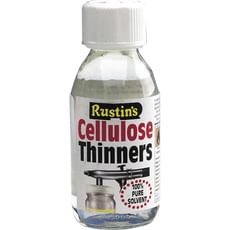
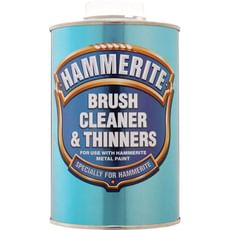
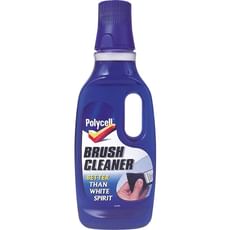
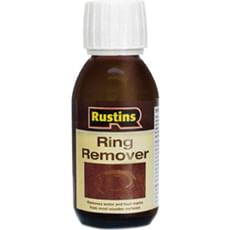
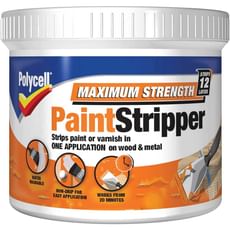
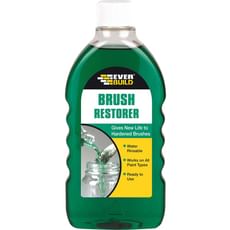
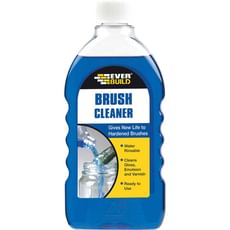
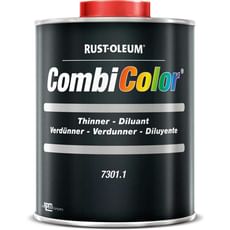
 Loading...
End of content
Error - No more pages to load
About Paint Thinners & Removers
Paint thinners and removers are essential chemical products that help tradespeople and DIY enthusiasts manage paint application, maintenance, and correction work. These specialised solvents serve two primary purposes: thinners adjust paint viscosity to achieve optimal flow and coverage, while removers strip away unwanted paint, varnish, or finishes from various surfaces. Whether you're a professional decorator maintaining your tools after a long day on site, a furniture restorer bringing new life to vintage pieces, or a homeowner tackling renovation projects, having the right thinning and removal products is crucial for quality results.
The paint thinners and removers available at Tooled-Up.com include brush cleaners, paint strippers, cellulose thinners, and specialist restoration products from trusted brands including Everbuild, Polycell, Rust-Oleum, Rustins, and Hammerite. Modern formulations range from traditional solvent-based products that work quickly and effectively, to newer non-flammable and non-toxic alternatives that provide safer working conditions whilst still delivering professional results. Many brush cleaners now contain conditioners that extend the life of quality brushes and rollers, making them cost-effective investments for regular users.
Understanding which product to use for specific applications is vital for both safety and effectiveness. Some thinners are designed specifically for oil-based paints and varnishes, whilst others work best with emulsion or cellulose products. Paint strippers vary significantly in strength, with maximum strength formulations tackling multiple layers of old paint, and gentler options suitable for delicate surfaces or intricate detail work. Selecting the appropriate product ensures efficient work, protects your tools, and delivers the finish your project demands.
Jargon Buster
- Cellulose Thinners: Fast-evaporating solvents specifically formulated to thin cellulose-based paints, lacquers, and primers. These are commonly used in automotive refinishing and spray applications where quick drying times are essential.
- Brush Restorer: A stronger solvent designed to remove dried or hardened paint from brushes and tools that standard cleaners cannot shift. These products can revive brushes that have been accidentally left unwashed, potentially saving expensive equipment.
- Paint Stripper: A chemical formulation that breaks down the bond between paint and substrate, allowing old coatings to be removed. Available in various strengths from gentle to maximum, depending on the number of layers and paint type being removed.
- Water-Washable Cleaner: Solvent-based cleaning products that can be rinsed away with water after initial cleaning, combining effective paint removal with easier disposal and reduced chemical odour compared to traditional thinners.
- Non-Flammable Solvent: Safer alternative solvents with higher flash points that reduce fire risk during use and storage, particularly important for workshop environments and confined spaces where ventilation may be limited.
- VOC Content: Volatile Organic Compounds are chemicals that evaporate from solvents and thinners. Lower VOC products are better for indoor air quality and comply with increasingly strict environmental regulations.
Who Uses Paint Thinners & Removers?
- Professional Decorators and Painters: Daily users requiring reliable brush cleaners and thinners to maintain expensive tool kits and adjust paint consistency for different application methods
- Furniture Restorers and French Polishers: Specialists who need precise thinning agents for traditional finishes and gentle removers for stripping antique pieces without damaging underlying wood
- Automotive Spray Painters: Professionals working with cellulose and two-pack paints requiring specific thinners to achieve correct viscosity for spray gun application
- Maintenance Engineers: Site maintenance teams removing old markings, stripping equipment for refurbishment, and general paint correction work
- Shop Fitters and Joiners: Tradespeople finishing bespoke joinery and cabinetry who need thinners for oil-based finishes and cleaners for tool maintenance
- DIY Enthusiasts and Homeowners: Home improvers undertaking furniture upcycling, renovation projects, and general decorating work requiring occasional paint removal and tool cleaning
- Property Developers and Refurbishment Contractors: Teams stripping paint from period features, removing old coatings before redecoration, and maintaining equipment across multiple projects
How to Choose the Right Paint Thinners & Removers
Match Product to Paint Type: Always select thinners and cleaners compatible with the paint system you're using. Water-based emulsions require different products to oil-based gloss, whilst cellulose paints need specific cellulose thinners. Check product labels carefully, as using incompatible solvents can damage finishes or prove ineffective.
Consider Safety and Ventilation: Assess your working environment when selecting products. Tooled-Up stocks both traditional solvent-based options and safer non-flammable, low-odour alternatives. For indoor work or confined spaces, non-toxic formulations significantly improve working conditions and comply with COSHH regulations. Always ensure adequate ventilation regardless of product type.
Evaluate Strength Requirements: Paint strippers range from standard to maximum strength formulations. Multiple layers of old paint, particularly on exterior woodwork or metal, require stronger products, whilst single coats on delicate surfaces need gentler options. Starting with a milder product prevents unnecessary surface damage.
Factor in Tool Maintenance: Regular users should invest in quality brush cleaners containing conditioners that extend tool life. Products that are water-washable after initial cleaning simplify disposal and reduce ongoing costs. For occasional use, smaller quantities prevent waste from products deteriorating in storage.
Check Drying and Working Times: Fast-evaporating thinners suit spray application and quick recoating schedules, whilst slower products provide more working time for brush application. Paint strippers also vary in action time—some work in minutes, others require longer dwell times but offer gentler action on substrates.
Brand Reputation and Consistency: Established brands like Everbuild, Rust-Oleum, and Rustins maintain consistent formulations that professional tradespeople rely on. Quality products deliver predictable results, reducing wastage and ensuring successful outcomes across different batches and purchases.
Popular Accessories
- Paint Brushes and Rollers: Quality application tools from brands like Harris and Purdy that benefit from proper cleaning and maintenance with appropriate solvents
- Stripping Tools and Scrapers: Specialist paint scrapers, shave hooks, and wire brushes for removing loosened paint after stripper application
- Personal Protective Equipment: Chemical-resistant gloves, safety glasses, and respirators essential when working with solvents and paint removers
- Cleaning Buckets and Containers: Purpose-designed brush cleaning tanks and solvent-resistant containers for safe product use and tool maintenance
- Protective Sheeting: Drop cloths and masking materials to protect surfaces from chemical splashes during stripping and thinning operations
- Ventilation Equipment: Portable extraction fans and respiratory protection to maintain safe working conditions when using solvent-based products
- Storage Cabinets: COSHH-compliant flammable liquid storage solutions for workshop and site use, ensuring safe chemical storage
Safety Information
Paint thinners and removers contain chemicals that require careful handling and appropriate safety measures. Always work in well-ventilated areas, opening windows and doors or using mechanical extraction to prevent solvent vapour accumulation. These products are often flammable—keep away from naked flames, sparks, and hot surfaces, and never smoke whilst using them. Store containers securely in cool, dry locations away from heat sources and out of reach of children.
Wear appropriate PPE including chemical-resistant gloves, safety glasses, and protective clothing to prevent skin contact and eye exposure. For prolonged use or work in confined spaces, respiratory protection may be necessary—consult product safety data sheets for specific requirements. Many solvents can cause skin irritation or more serious health effects with repeated exposure, so minimising contact is essential.
Follow COSHH regulations by reading product labels and safety data sheets before use. Never mix different chemical products unless specifically instructed, as dangerous reactions can occur. Dispose of used solvents and contaminated materials responsibly through appropriate waste collection services—do not pour down drains or into watercourses. Keep a suitable fire extinguisher nearby when working with flammable solvents, and know the location of first aid facilities. If accidental ingestion or significant exposure occurs, seek medical attention immediately, taking the product container or label with you for reference.
Frequently Asked Questions
Can I use white spirit instead of specialist thinners?
White spirit works adequately for cleaning oil-based paint from brushes and thinning some oil-based paints, but specialist thinners are formulated for specific paint systems and often perform better. Cellulose paints absolutely require cellulose thinners, whilst modern water-based paints need compatible products. Using incorrect thinners can affect paint performance, drying times, and finish quality. For professional results, always use the manufacturer's recommended thinner.
How do I restore brushes that have dried hard?
Brush restorer products available from Tooled-Up are specifically designed for this purpose, containing stronger solvents than standard cleaners. Soak the affected brush in restorer for several hours or overnight, working the bristles periodically to loosen dried paint. For severely hardened brushes, gentle heating of the restorer (never above 60°C and away from flames) can improve effectiveness. However, prevention through immediate cleaning after use is always more effective and preserves brush quality better than restoration.
Are non-flammable thinners as effective as traditional solvents?
Modern non-flammable and low-odour formulations have improved significantly and offer excellent cleaning performance for most applications whilst providing safer working conditions. They're particularly valuable for indoor work, confined spaces, or sites with strict fire safety requirements. Whilst some heavy-duty applications may still benefit from traditional solvents, non-flammable alternatives now handle the majority of professional decorating and maintenance tasks effectively whilst reducing health and safety risks.
What's the difference between paint stripper and paint remover?
These terms are generally used interchangeably in the UK market—both describe products that chemically break down paint coatings for removal. The key differences lie in strength formulations (standard versus maximum strength) and application method (paste, gel, or liquid). Paste and gel strippers cling to vertical surfaces better, whilst liquid products work well on horizontal areas. Maximum strength formulations tackle multiple layers and aged paint more effectively but require more careful handling.
How should I dispose of used thinners and solvents?
Used solvents are classified as hazardous waste and must not be poured down drains, into soil, or disposed of with general waste. Many local authority recycling centres accept small quantities of waste solvents from householders free of charge—check your council's website for specific arrangements. Trade users should arrange collection through licensed hazardous waste carriers. Store waste solvents in clearly labelled, sealed containers away from heat sources until proper disposal. Some solvents can be filtered and reused multiple times, reducing both costs and environmental impact.