

Painting & Brushes

Pay in 3 interest-free payments on purchases from £20-£3000 with  . Learn more.


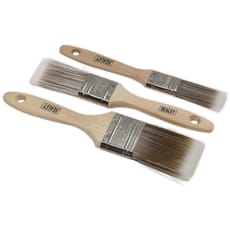
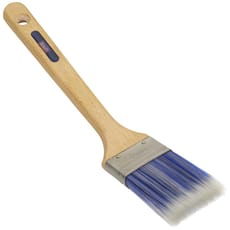
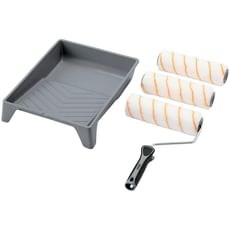
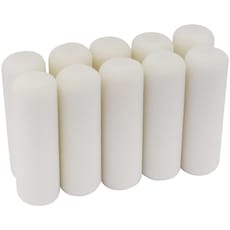
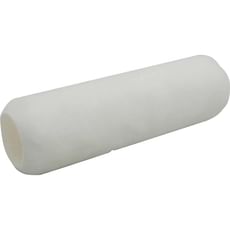
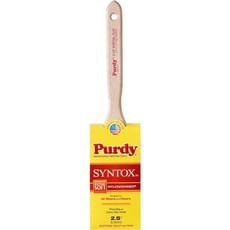
 Loading...
End of content
Error - No more pages to load
About Painting & Brushes
Achieving a professional finish on any painting project requires the right tools and equipment. From precision brushwork on intricate joinery to rapid coverage of large wall areas, the quality of brushes, rollers and application equipment can make the difference between a flawless finish and a substandard result. Whether you're a professional decorator tackling commercial contracts or a DIY enthusiast transforming your home, investing in quality painting equipment ensures better coverage, reduced material waste and a superior end result that lasts.
The painting and decorating category at Tooled-Up.com encompasses everything needed for efficient paint application across diverse projects. This includes specialist brushes designed for different paint types and surfaces, roller systems for quick coverage, paint kettles for on-the-job portability, paddle mixers for thorough paint preparation, and flicker machines for textured finishes. Each product type serves a specific purpose in the decorator's toolkit, from cutting in around edges with precision brushes to achieving consistent texture with professional flicker equipment.
Modern painting equipment has evolved significantly, with innovations in synthetic bristle technology, ergonomic handle designs and quick-release roller systems that speed up the decorating process. Professional-grade tools deliver better paint pickup, smoother application and improved durability compared to budget alternatives. For tradespeople working to tight deadlines on site, reliable equipment that performs consistently across multiple projects is essential for maintaining productivity and reputation.
Jargon Buster
- Cutting In: The technique of painting precise lines along edges, corners and trim using a brush before rolling larger areas. Requires angled or sash brushes for best results.
- Nap or Pile: The thickness of a roller sleeve, measured in millimetres. Short nap (4-6mm) suits smooth surfaces, medium nap (9-12mm) for lightly textured walls, and long nap (18mm+) for rough or textured surfaces.
- Paddle Mixer: A mixing attachment fitted to a power drill, used to thoroughly mix paint, especially larger tins where settling occurs. Essential for achieving consistent colour and texture throughout.
- Paint Kettle: A portable container used by decorators to decant smaller quantities of paint from larger tins, making it easier to work from ladders or scaffolding whilst reducing waste.
- Flicker/Splatter Machine: Specialist equipment that creates textured finishes by mechanically flicking paint onto surfaces, commonly used for ceilings in commercial properties and period property restoration.
- Synthetic vs Natural Bristle: Synthetic (nylon or polyester) bristles suit water-based paints and maintain shape when wet, whilst natural bristles work best with oil-based paints and provide superior finish quality on traditional materials.
Who Uses Painting & Brushes?
Professional painting and decorating equipment is essential for:
- Professional Decorators: Tradespeople specialising in interior and exterior painting, requiring durable tools that withstand daily commercial use
- Maintenance Teams: Property maintenance professionals working across residential, commercial and industrial sites
- Joiners and Carpenters: Tradespeople who finish their woodwork installations and require precision brushes for detailed work
- General Builders: Multi-trade contractors handling decorating as part of renovation and refurbishment projects
- Property Developers: Professionals preparing properties for sale or rental who need efficient coverage across multiple units
- Facilities Managers: Those responsible for maintaining commercial premises, schools, hospitals and public buildings
- DIY Enthusiasts: Homeowners undertaking their own decorating projects who want professional-quality results
- Restoration Specialists: Professionals working on period properties requiring specialist finishes and traditional techniques
How to Choose the Right Painting & Brushes
Selecting appropriate painting equipment depends on several key factors:
Paint Type Compatibility: Match brushes and rollers to your paint formulation. Water-based paints work best with synthetic brushes and short to medium nap rollers, whilst oil-based paints require natural bristle brushes for optimal flow. Specialist coatings may require dedicated application tools to avoid contamination.
Surface Texture: Smooth surfaces like previously painted woodwork need short nap rollers (4-6mm) and fine brushes for a glass-like finish. Textured walls require medium nap (9-12mm), whilst rough render or masonry needs long nap rollers (18mm+) to ensure paint reaches into all crevices.
Project Scale: Large commercial projects benefit from wide rollers, extension poles and bulk paint kettles for efficiency. Detailed residential work requires precision brushes in various sizes, angled cutting-in brushes and smaller equipment for manoeuvrability.
Quality and Durability: Professional decorators working daily should invest in premium brushes with flagged bristles that hold more paint and provide smoother application. The range at Tooled-Up includes professional-grade equipment designed to withstand repeated cleaning and extended use without shedding bristles or losing shape.
Ergonomics: Consider handle comfort for extended use. Soft-grip handles reduce hand fatigue during long decorating sessions, whilst lightweight roller frames improve control overhead. For professional tradespeople, ergonomic design directly impacts productivity and reduces strain injuries.
Cleaning and Maintenance: Quality brushes and rollers that clean thoroughly and dry without distortion offer better long-term value. Synthetic materials generally clean more easily than natural bristles, particularly when using water-based paints.
Popular Accessories
Complement your painting equipment with these essential accessories:
- Dust Sheets and Protective Coverings: Protect floors, furniture and fixtures from paint splashes
- Masking Tape and Decorators' Tape: Create clean lines and protect surfaces adjacent to painted areas
- Sandpaper and Abrasives: Prepare surfaces properly before painting and smooth between coats
- Filling Knives and Scrapers: Prepare walls by removing loose paint and applying filler to imperfections
- Extension Poles: Reach high walls and ceilings safely without constantly repositioning ladders
- Paint Strainers: Remove lumps and debris from older paint before application
- Brush and Roller Cleaners: Specialist cleaning tools and solutions that extend equipment life
- Storage Solutions: Protect brushes and organise equipment between jobs
- Mixing Buckets: Combine paint from multiple tins to ensure colour consistency across large projects
Safety Information
When using painting and decorating equipment, observe these safety considerations:
Ventilation: Ensure adequate ventilation when painting indoors, particularly with oil-based or solvent-based products. Open windows and use extraction if working in confined spaces to prevent harmful vapour accumulation.
Personal Protective Equipment: Wear appropriate PPE including gloves when handling paints and solvents, safety glasses when working overhead to prevent drips entering eyes, and dust masks when sanding between coats. Follow COSHH regulations for hazardous substance handling.
Electrical Safety: When using paddle mixers with power drills, ensure 240v electrical equipment is properly maintained with intact cables and functioning RCD protection. Keep electrical equipment away from wet paint and water sources.
Working at Height: Use appropriate access equipment when painting high areas. Ensure ladders are properly secured and follow HSE guidance for working at height. Never overreach from ladders whilst holding paint containers.
Solvent Handling: Store cleaning solvents in appropriate containers away from heat sources. Dispose of paint-soaked rags properly as they can pose a fire risk through spontaneous combustion if stored incorrectly.
Frequently Asked Questions
What's the difference between cheap and professional brushes?
Professional brushes feature flagged (split) bristle ends that hold more paint and release it smoothly for better coverage and finish. They maintain their shape after cleaning, don't shed bristles during use, and last through numerous projects. Budget brushes often leave streaks, shed bristles onto painted surfaces and lose shape quickly, ultimately costing more through wasted time and materials.
How do I choose the right roller nap thickness?
Match nap thickness to surface texture: 4-6mm for smooth surfaces like previously painted walls, doors and trim; 9-12mm for standard plastered walls with light texture; 18mm or longer for textured ceilings, render or rough masonry. Using too short a nap on textured surfaces leaves unpainted areas, whilst too long creates excessive texture and uses more paint.
Can I use the same brushes for water-based and oil-based paints?
Whilst possible, it's not recommended. Synthetic brushes work best with water-based paints as they don't absorb water and maintain stiffness when wet. Natural bristle brushes absorb water and lose shape with water-based paints but excel with oil-based products, providing superior flow and finish. Dedicated brushes for each paint type deliver better results and last longer.
How should I clean and store painting equipment?
Clean brushes and rollers immediately after use. For water-based paints, rinse thoroughly in warm water until it runs clear, then reshape bristles and hang to dry. Oil-based paints require cleaning with appropriate solvents before washing in soapy water. Store brushes hanging or laid flat to maintain bristle shape. Roller sleeves should be cleaned, dried thoroughly and stored away from direct sunlight to prevent material degradation.
Are paddle mixers necessary for small paint tins?
For small tins (1-2 litres), manual stirring with a wooden stick usually suffices. However, paddle mixers become essential for 5-litre tins and larger, where paint settles significantly and manual mixing won't achieve thorough consistency. They're particularly important for coloured paints where pigment settles at the bottom, and for paints stored for extended periods. Proper mixing ensures consistent colour and prevents application issues.