

Pallet Trucks

Pay in 3 interest-free payments on purchases from £20-£3000 with  . Learn more.
 Loading...
End of content
Error - No more pages to load
About Pallet Trucks
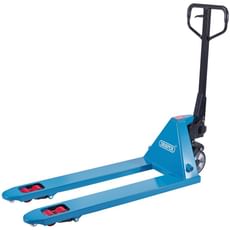
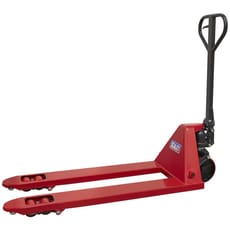
Pallet trucks, also known as pallet jacks or pump trucks, are essential manual handling equipment designed to lift and transport palletised loads efficiently within warehouses, storage facilities, and commercial environments. These robust tools use a simple hydraulic mechanism operated by pumping the handle, which raises a pair of forks that slide underneath pallets, allowing heavy loads to be moved with minimal physical effort. Whether you're working in logistics, retail, manufacturing, or distribution, pallet trucks provide a cost-effective solution for moving goods that would otherwise require forklift operation or multiple personnel.
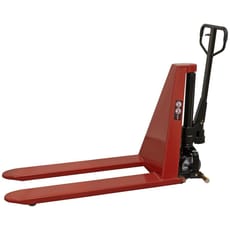
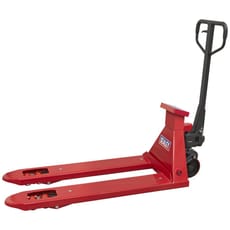
The selection available from Tooled-Up.com includes standard duty models suitable for general warehouse use, heavy-duty variants capable of handling loads up to 2,500kg, and specialist options such as high-lift pallet trucks that raise loads to convenient working heights. Premium features found across the range include durable rubber or polyurethane wheels for smooth operation, reinforced steel construction for longevity, and ergonomic handle designs that reduce operator fatigue during extended use. Some advanced models incorporate weighing scales directly into the truck mechanism, eliminating the need for separate weighing equipment and streamlining warehouse operations.
Tooled-Up stocks pallet trucks from trusted manufacturers including Sealey and Draper, brands known throughout the UK for producing reliable manual handling equipment that withstands the demanding conditions of commercial and industrial environments. Fork lengths typically range from 1,000mm to 1,150mm, accommodating standard UK and European pallet sizes, whilst various fork widths ensure compatibility with different pallet configurations and load types.
Jargon Buster
- Capacity/Safe Working Load (SWL): The maximum weight the pallet truck can safely lift and transport, typically ranging from 1,000kg to 3,000kg for manual models. Exceeding this limit can damage the hydraulic mechanism and create dangerous working conditions.
- Fork Length: The measurement from the entry point to the tip of the forks, usually between 1,000mm and 1,220mm. This dimension must be appropriate for the pallets you're handling – standard UK pallets measure 1,200mm x 1,000mm.
- Lifting Height: The maximum distance the forks can be raised from their lowest position. Standard pallet trucks lift approximately 200mm, whilst high-lift models can raise loads to 800mm or more for ergonomic loading and unloading.
- Load Wheels: The wheels mounted in the forks that bear the weight of the load. Most pallet trucks feature four tandem load wheels made from nylon, polyurethane, or rubber, each material offering different characteristics for floor protection and durability.
- Steering Wheels: The larger wheels at the handle end that allow the operator to manoeuvre the truck. These are typically made from rubber or polyurethane and measure around 200mm in diameter for better control.
- Hydraulic Release Valve: The mechanism that controls the descent of the forks, allowing precise lowering of loads. A gradual release prevents sudden drops that could damage goods or injure operators.
Who Uses Pallet Trucks?
Pallet trucks serve a diverse range of trades and industries across the UK:
- Warehouse Operatives and Logistics Personnel: Daily use for moving stock between storage locations, loading bays, and dispatch areas
- Retail Staff: Transporting stock from delivery areas to shop floors in supermarkets, DIY stores, and garden centres
- Manufacturing Facilities: Moving raw materials, components, and finished products around production floors
- Distribution Centres: Sorting and organising palletised goods for onward delivery
- Builders Merchants and Trade Counters: Handling heavy building materials and bulk supplies
- Agricultural and Horticultural Businesses: Transporting feed, seeds, plants, and equipment around farms and nurseries
- Automotive Workshops and Parts Suppliers: Moving heavy automotive components and bulk parts deliveries
- Food and Beverage Industry: Handling ingredients, packaged goods, and bottled products in compliance with hygiene standards
- Event and Exhibition Contractors: Setting up and dismantling trade shows, conferences, and temporary installations
How to Choose the Right Pallet Trucks
Selecting the appropriate pallet truck requires careful consideration of several operational factors:
Load Capacity: Calculate the maximum weight you'll be handling, including the pallet itself. Standard 2,000kg capacity models suit most general applications, but heavier industrial loads require 2,500kg or 3,000kg rated equipment. Always allow a safety margin rather than operating at maximum capacity continuously.
Fork Dimensions: Measure your pallets carefully. Standard UK pallets (1,200mm x 1,000mm) require forks around 1,150mm long, whilst Euro pallets (1,200mm x 800mm) work with shorter forks. Fork width should accommodate your pallet entry points – typically 540mm to 550mm for standard use, though adjustable fork widths offer greater versatility.
Lifting Height Requirements: Standard pallet trucks lift to approximately 200mm, sufficient for ground-level transport. If you need to load onto tables, benches, or vehicles, consider high-lift models that raise loads to 800mm or more, reducing manual handling strain and improving ergonomics.
Wheel Material and Floor Type: Nylon wheels are durable and economical for concrete floors, polyurethane offers quieter operation with better floor protection for retail environments, whilst rubber wheels provide excellent grip but wear faster. Consider tandem wheel configurations for improved weight distribution and stability.
Operating Environment: Indoor warehouse use permits standard steel construction, but outdoor applications or corrosive environments may require galvanised or stainless steel models. Food production facilities typically need trucks meeting specific hygiene standards.
Special Features: Integrated weighing scales eliminate separate weighing steps for efficiency gains. Quick-lift mechanisms reduce pumping effort, whilst brake systems and securing strops (available at Tooled-Up) prevent unwanted movement during transit.
Popular Accessories
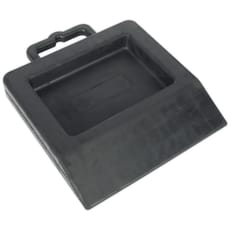
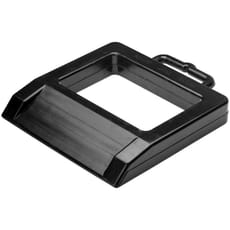
- Pallet Truck Stops and Securing Strops: Essential for preventing movement during vehicle transportation, ensuring loads remain stable when the truck is loaded onto vans or lorries
- Replacement Wheels: Keep spare load wheels and steering wheels for maintenance, available in various materials to suit different floor surfaces
- Fork Extensions: Increase fork length for handling oversized pallets and non-standard loads
- Protective Fork Covers: Rubber or plastic covers protect delicate goods and prevent damage to product packaging
- Hydraulic Fluid: Regular hydraulic system maintenance ensures smooth operation and extends equipment lifespan
- Pump Truck Seals and Service Kits: Replacement seals, O-rings, and hydraulic components for routine servicing
- Weighing Scale Calibration Equipment: For models with integrated scales, ensuring accuracy for trade and compliance purposes
- Anti-Slip Gloves: Improve grip and control when operating pallet trucks, particularly important in cold or damp environments
- Floor Protection Mats: Reduce wear on floors from repeated wheel traffic in high-use areas
Safety Information
Safe pallet truck operation is essential for preventing workplace injuries and equipment damage. The Health and Safety Executive (HSE) reports that manual handling incidents account for a significant proportion of workplace accidents in the UK, many involving pallet truck misuse.
Load Limits: Never exceed the manufacturer's stated capacity. Overloading compromises hydraulic systems, damages wheels, and creates tipping hazards. Ensure loads are evenly distributed across the pallet and properly secured before moving.
Operator Training: All personnel should receive proper instruction in pallet truck operation, including correct pumping technique, steering control, and emergency procedures. Incorrect use contributes to back injuries and foot crush incidents.
Pre-Use Inspection: Check hydraulic function, wheel condition, and handle integrity before each shift. Report damaged equipment immediately and remove from service until repairs are completed. Worn wheels reduce stability whilst hydraulic leaks indicate potential failure.
Safe Manoeuvring: Maintain clear visibility when moving loads – never walk backwards whilst pulling a loaded truck. Watch for pedestrians, uneven surfaces, and overhead obstructions. Reduce speed on ramps and when turning corners to prevent tip-overs.
Foot Protection: Always wear steel toe-capped safety boots when operating pallet trucks. Foot injuries from dropped loads or wheel impact are common preventable accidents in warehouse environments.
Parking and Storage: Lower forks completely when parked to eliminate trip hazards. Store in designated areas away from pedestrian routes and never leave on slopes where gravity could cause movement.
Frequently Asked Questions
What's the difference between 2,000kg and 2,500kg capacity pallet trucks?
The primary difference lies in construction robustness and component strength. Whilst 2,000kg models suit general warehouse use with standard palletised goods, 2,500kg variants feature reinforced frames, upgraded hydraulic systems, and stronger wheels for consistently heavy loads or industrial applications. The heavier construction also provides greater longevity in demanding environments, though the trucks themselves weigh more and require slightly more effort to manoeuvre when unloaded.
Can pallet trucks be used outdoors?
Standard pallet trucks can operate outdoors occasionally, but regular outdoor use demands consideration of weather resistance and surface conditions. Rain and moisture can cause rust on unprotected steel components and affect hydraulic performance. Galvanised or stainless steel models offer better corrosion resistance. Uneven ground, gravel, or soft surfaces significantly increase operating effort and wear on wheels. For frequent outdoor use, consider rough-terrain pallet trucks with larger diameter wheels and enhanced ground clearance.
How often should pallet trucks be serviced?
Service frequency depends on usage intensity, but HSE guidance recommends thorough examination at least annually for equipment used regularly in commercial settings. High-use environments such as busy warehouses may benefit from quarterly inspections. Basic maintenance includes checking hydraulic fluid levels, inspecting wheels for wear, testing release valve function, and lubricating moving parts. Keep service records to demonstrate compliance with workplace safety requirements and identify recurring issues promptly.
What fork length do I need for UK standard pallets?
Standard UK pallets measure 1,200mm x 1,000mm, requiring fork lengths of at least 1,000mm for adequate support. Most warehouse professionals prefer 1,150mm forks, which provide secure engagement without excessive overhang that could catch on obstacles. For Euro pallets (1,200mm x 800mm), the same fork length works well. If handling multiple pallet types, 1,150mm offers the best versatility for UK operations.
Do I need a licence to operate a pallet truck?
Manual pallet trucks don't require formal licensing in the UK, unlike powered forklifts. However, employers have legal obligations under the Health and Safety at Work Act to ensure operators receive adequate instruction and training. Many businesses implement internal certification schemes demonstrating competency. Proper training reduces accident rates, protects your insurance coverage, and ensures compliance with HSE regulations during workplace inspections.