
Palm Routers

Pay in 3 interest-free payments on purchases from £20-£3000 with  . Learn more.

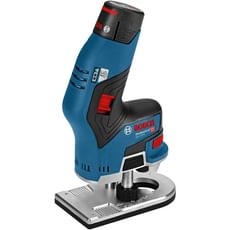
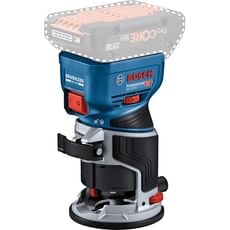
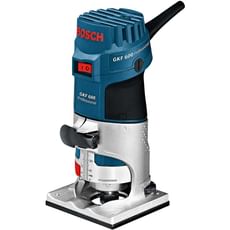
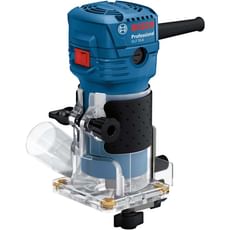
Loading...
End of content
Error - No more pages to load
About Palm Routers
Palm routers, also known as laminate trimmers or trim routers, are compact, lightweight routing tools designed for precision work in tight spaces where standard routers would be too cumbersome. These versatile power tools typically feature a 1/4" collet and are perfect for edge profiling, hinge recessing, chamfering, and detailed decorative work. Their single-handed operation and excellent visibility make them indispensable for fine woodworking, cabinetry, and joinery tasks requiring finesse and control.
Available in both corded and cordless configurations, modern palm routers deliver impressive power despite their compact size. Cordless models running on 12V or 18V batteries offer exceptional manoeuvrability for site work and overhead applications, whilst corded versions provide consistent power for extended workshop use. Tooled-Up.com stocks professional palm routers from leading manufacturers like Bosch Professional, featuring highly refined designs that combine ergonomic handling with precision depth adjustment and electronic speed control.
Whether you're trimming laminate worktops, routing decorative edges on furniture, or creating precise housings for hinges and locks, a palm router offers the control and finesse that larger routers simply cannot match. Their lightweight design—typically under 2kg—reduces user fatigue during prolonged use, making them equally suitable for professional joiners working on-site and DIY enthusiasts tackling home improvement projects. With brushless motor technology now standard in many cordless models, these compact tools deliver exceptional runtime and longevity.
Jargon Buster
- Collet Size: The diameter of the chuck that holds router bits, typically 1/4" (6.35mm) for palm routers. This determines which bits are compatible with your tool and affects the maximum bit shank diameter you can use.
- Plunge Depth: The maximum distance the router bit can extend below the base plate, usually between 35mm and 55mm on palm routers. Greater plunge depth allows for deeper cuts and more versatile applications including hinge recessing and deeper profiling work.
- Variable Speed Control: Electronic feature allowing adjustment of the router's RPM (revolutions per minute) to suit different materials and bit sizes. Slower speeds suit larger bits and harder materials, whilst higher speeds work best for fine trimming and softer woods.
- Brushless Motor: Modern motor technology that eliminates carbon brushes, resulting in longer runtime on cordless models, reduced maintenance requirements, increased efficiency, and extended tool life compared to traditional brushed motors.
- Fixed Base vs Tilt Base: Fixed bases keep the router perpendicular to the work surface for standard routing operations, whilst tilt bases allow angled cuts for bevels and chamfers. Some models offer interchangeable bases for maximum versatility.
- Soft Start: Electronic feature that gradually increases motor speed during startup, reducing sudden torque and improving control and safety, particularly important when working with larger diameter bits or starting cuts mid-workpiece.
Who Uses Palm Routers?
Palm routers are essential tools for a wide range of trades and applications:
- Joiners and Cabinet Makers: Edge profiling, hinge recessing, decorative detailing on furniture and fitted units, creating consistent template-based components
- Carpenters and Chippies: Trimming door linings, routing lock housings, chamfering edges on timber work, creating quick chamfers on exposed beam ends
- Kitchen Fitters: Trimming laminate worktops to exact dimensions, creating precise cutouts for sinks and hobs, finishing edges and joints for professional results
- Shopfitters: Display cabinet work, signage routing, detailed trim work on commercial installations, creating clean edges on acrylic and laminated materials
- Furniture Makers: Decorative edge profiles, inlay work, template routing for consistent reproduction, creating custom mouldings on bespoke pieces
- DIY Enthusiasts: Home improvement projects, furniture restoration, custom shelving and storage solutions, upgrading kitchen worktops
- Luthiers and Instrument Makers: Precision routing work on guitars and other wooden instruments where fine control is paramount
How to Choose the Right Palm Routers
Power Source: Decide between corded and cordless based on your typical working environment. Corded models like the Bosch GKF 600 provide consistent power for workshop use with unlimited runtime, whilst 12V and 18V cordless options offer unmatched portability for site work and overhead applications. If you already use a particular battery platform such as Bosch Professional, choosing a compatible model maximises your existing investment.
Motor Power and Type: Palm routers typically range from 450W to 650W for corded models, with cordless versions rated by voltage (12V or 18V). Brushless motors deliver superior efficiency, longer runtime, and extended lifespan compared to brushed alternatives. Higher wattage provides more power for demanding materials and larger bits, though even compact 12V cordless models deliver surprising performance for most trimming and profiling tasks.
Depth Adjustment Mechanism: Look for micro-adjustment systems that allow precise depth setting in sub-millimetre increments. A clear depth scale and easy-to-operate adjustment mechanism are essential for accurate, repeatable work. Better models feature fine-tuning knobs and depth stops that enable you to return to preset depths quickly and accurately.
Base Design and Versatility: Consider whether you need a fixed base, tilt base, or both. Fixed bases are ideal for standard routing operations and provide maximum stability, whilst tilt bases enable bevelled and angled cuts for decorative edges and chamfers. Some manufacturers offer interchangeable base systems for maximum versatility across different applications.
Ergonomics and Control: Palm routers should feel comfortable in one hand with intuitive switch placement and excellent visibility of the cutting area. Check that depth adjustments and other controls are easily accessible during operation without having to stop work. A soft-grip body reduces fatigue during extended use, particularly important for professional tradespeople working throughout the day.
Speed Control: Variable speed capability—typically 10,000 to 32,000 RPM—allows you to optimise performance for different materials and bit sizes. Electronic speed control maintains consistent RPM under load for superior finish quality, preventing the motor from bogging down in harder materials or when using larger diameter bits.
Popular Accessories
- Router Bit Sets: 1/4" shank bits in various profiles including straight cutters, roundover bits, chamfer bits, cove cutters, flush-trim bits, and ogee profiles for different edge treatments and joinery tasks
- Guide Bushes: Metal bushes that fit into the router base, allowing the tool to follow templates accurately for consistent reproduction work and creating perfectly matched components
- Edge Guides: Parallel guides that reference off the workpiece edge, ensuring straight cuts at consistent distances from the edge for grooves, rebates, and decorative lines
- Router Tables: Small benchtop tables designed to accept compact routers, effectively converting them into mini-spindle moulders for greater versatility and improved control on smaller components
- Dust Extraction Adapters: Connect your router to workshop extraction systems or vacuum cleaners for cleaner working, improved visibility of the cutting line, and reduced airborne dust
- Circle Cutting Guides: Trammel-style attachments for routing perfect circles and arcs from small to medium diameters, ideal for decorative inlays and creating consistent curved components
- Additional Batteries and Chargers: Essential for cordless users working on-site, ensuring uninterrupted workflow throughout the day without waiting for batteries to recharge
- Carrying Cases: Purpose-designed storage cases protect your investment during transportation and keep accessories organised for efficient site work
Safety Information
Palm routers spin at extremely high speeds—often exceeding 30,000 RPM—and must be used with appropriate safety precautions. Always wear safety glasses or goggles to protect against flying chips and dust particles. Hearing protection is recommended during extended use, as router noise levels can exceed HSE exposure limits for prolonged exposure. A dust mask or respirator should be worn when routing MDF, treated timber, or hardwoods to prevent inhalation of harmful dust particles, particularly relevant under COSHH regulations.
Ensure workpieces are securely clamped before routing—never attempt to hold small pieces by hand whilst operating the tool. Always unplug corded routers or remove batteries from cordless models before changing bits or making adjustments. Check that bits are securely tightened in the collet with sufficient shank depth (at least 15mm for most applications) and that the correct collet size is being used to prevent dangerous bit ejection.
Wait for the router bit to reach full speed before making contact with the workpiece, and allow the bit to stop completely before setting the tool down. Route against the direction of bit rotation—typically left to right on outside edges—to maintain control and prevent the tool from pulling away from you. When working with 240v electrical tools on construction sites, ensure compliance with relevant building regulations and use 110V transformers or RCD protection as appropriate for site safety standards.
Frequently Asked Questions
What's the difference between a palm router and a standard router?
Palm routers are significantly smaller and lighter—typically under 2kg—with a compact body designed for single-handed operation and excellent visibility of the cutting area. They use 1/4" bits and are ideal for light-duty trimming, edge profiling, and detailed work in confined spaces. Standard routers are larger, more powerful tools with 1/2" or 1/4" collets, designed for heavier stock removal, large-diameter bits, and demanding applications such as kitchen worktop joints. Palm routers excel at finesse work where a full-size router would be unwieldy or where one-handed operation provides better control.
Can I use a palm router in a router table?
Yes, many palm routers can be mounted in small router tables or portable routing stations, effectively converting them into compact spindle moulders. This setup is particularly useful for routing small components, repetitive edge profiling work, and achieving consistent results across multiple pieces. However, check that your specific model has mounting holes in the base plate and consider whether a fixed-base rather than plunge-base version would be more suitable for table mounting. The selection at Tooled-Up.com includes models specifically designed with table compatibility in mind.
Should I choose 12V or 18V cordless for my work?
For occasional light trimming, edge work, and laminate trimming, a 12V model like the Bosch GKF 12V-8 offers excellent portability and reduced weight whilst still delivering adequate performance for most applications. If you regularly route harder materials such as oak or maple, use larger diameter bits, or require longer runtime between charges on all-day site work, an 18V brushless model provides more power and stamina. Consider which battery platform you already own—if you have existing 18V batteries from other cordless tools, choosing a compatible palm router makes economic sense and provides immediate runtime capacity.
How do I prevent burning when routing edges?
Burn marks occur when the bit moves too slowly through the material, when using dull or resin-coated bits, or when the router speed is inappropriate for the material. Ensure your router bit is sharp and clean—remove pitch buildup with dedicated router bit cleaner. Use appropriate feed speed, moving steadily without pausing but not forcing the tool. Select the correct RPM for the bit size and material—generally slower speeds for larger diameter bits and harder woods, faster speeds for small bits and softer materials. Multiple shallow passes often produce better results than one deep cut, reducing heat buildup and improving finish quality.
What maintenance does a palm router require?
Regularly clean dust and resin buildup from the collet, base plate, and ventilation slots using compressed air or a stiff brush to maintain cooling efficiency. Check that depth adjustment mechanisms move freely and lubricate as recommended in the manufacturer's manual—typically with light machine oil on threaded components. Inspect power cables for damage on corded models, particularly near the strain relief where flexing occurs. Ensure brushless motor vents remain unobstructed to prevent overheating. Replace worn collets promptly as they affect bit security and concentricity, leading to poor finish quality and potential safety issues. For cordless models, follow proper battery care procedures including avoiding complete discharge and storing at around 50% charge for extended periods to maximise cell life.