
Paraffin Heaters

Pay in 3 interest-free payments on purchases from £20-£3000 with  . Learn more.
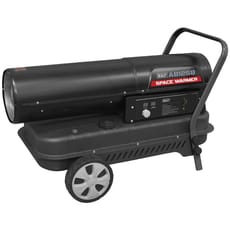
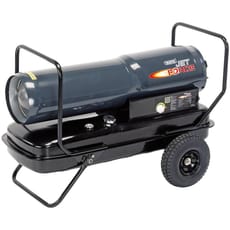
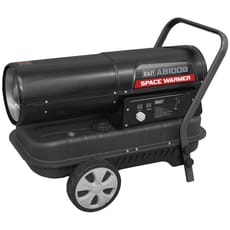
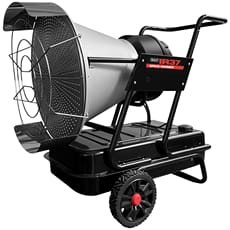
Loading...
End of content
Error - No more pages to load
About Paraffin Heaters
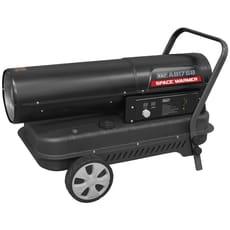
Paraffin heaters are powerful, portable heating solutions designed to deliver rapid warmth in large, unheated spaces where traditional heating systems are impractical or unavailable. These robust units burn paraffin (kerosene) or diesel fuel to generate substantial heat output, making them essential equipment for workshops, warehouses, construction sites, agricultural buildings, and outdoor events. Unlike electric fan heaters that require proximity to 240v mains power, paraffin heaters offer true portability and independence from electrical infrastructure, providing reliable heating even in remote locations.
The paraffin heaters available from Tooled-Up.com include both direct-fired jet force models and infrared variants, each suited to different heating requirements. Direct-fired heaters rapidly circulate warm air throughout large spaces using powerful fans, whilst infrared models emit radiant heat that warms objects and people directly rather than heating the air itself. Leading manufacturers Draper and Sealey dominate this category, offering units with heat outputs ranging from modest 10kW models suitable for smaller workshops through to industrial-strength 50kW+ heaters capable of warming vast commercial spaces.
Modern paraffin heaters incorporate numerous safety features including thermostatic controls, flame-out protection, photocell safety devices, and automatic ignition systems. Stainless steel combustion chambers ensure durability and efficient fuel consumption, whilst electromagnetic fuel pumps and in-line filters guarantee clean, reliable operation. Most units feature substantial fuel tanks—typically between 10 and 55 litres—providing extended running times that minimise refuelling interruptions during the working day.
Jargon Buster
- BTU (British Thermal Unit): A measurement of heat output. One BTU represents the energy required to raise one pound of water by one degree Fahrenheit. Paraffin heaters typically produce between 34,000 and 190,000 BTU/hr.
- Direct-Fired Heater: A heater where combustion gases are released directly into the heated space. Requires adequate ventilation but delivers maximum heating efficiency as no heat escapes through a flue.
- Infrared/Radiant Heater: A heating unit that warms objects and surfaces directly using infrared radiation rather than heating the surrounding air, making them more efficient in draughty or outdoor environments.
- Photocell Safety Device: An optical sensor that continuously monitors the flame. If the flame extinguishes unexpectedly, the photocell shuts off fuel supply immediately to prevent dangerous fuel spillage or gas accumulation.
- Thermostatic Control: An automatic temperature regulation system that cycles the heater on and off to maintain a consistent temperature, improving fuel efficiency and preventing overheating.
- Jet Force: High-velocity air circulation system that rapidly distributes heated air throughout large spaces, achieving faster temperature rises than convection alone.
Who Uses Paraffin Heaters?
- Construction Workers & Site Managers: For maintaining workable temperatures in unfinished buildings, drying plaster and paint, and keeping site cabins warm
- Agricultural Workers & Farmers: Heating barns, livestock shelters, machinery stores, and preventing frost damage in outbuildings
- Warehouse & Logistics Operators: Providing cost-effective heating in large storage facilities and distribution centres
- Workshop Owners & Engineers: Maintaining comfortable working temperatures in vehicle repair shops, fabrication workshops, and industrial units
- Event Organisers: Heating marquees, outdoor events, and temporary structures for weddings, festivals, and exhibitions
- Plant Hire Companies: Rental equipment for temporary heating requirements across various sectors
- Grounds Maintenance & Landscapers: Warming work areas and protecting plants in polytunnels and greenhouses during cold weather
- Restoration Specialists: Drying out flood-damaged properties and accelerating construction drying processes
How to Choose the Right Paraffin Heater
Calculate Your Heat Requirements: Determine the cubic volume of the space you need to heat (length × width × height in metres). As a general rule, you'll need approximately 30-40 watts per cubic metre, though poorly insulated spaces or those with high ceilings may require significantly more. Check the kW output specifications—ranging from 10kW for smaller workshops up to 55kW for industrial applications.
Consider Ventilation Requirements: Direct-fired paraffin heaters release combustion gases into the heated space, so adequate ventilation is absolutely essential. These units are only suitable for well-ventilated areas or spaces with regular air exchange. Never use them in sealed or poorly ventilated rooms, domestic settings, or where people sleep. Infrared models typically produce cleaner combustion but still require proper ventilation.
Fuel Tank Capacity: Larger fuel tanks reduce refuelling frequency but increase overall weight and footprint. Models at Tooled-Up stock tanks from 12 litres (approximately 9 hours running time) up to 55 litres (potentially 15+ hours). Consider your typical usage patterns and whether uninterrupted operation is critical to your work.
Portability & Manoeuvrability: Check the weight and wheel configuration if you need to move the heater regularly. Larger models may weigh 30kg or more when empty, substantially more when fuelled. Quality units feature robust chassis construction with pneumatic or solid wheels for easier transportation across uneven surfaces.
Safety Features: Look for thermostatic controls, automatic ignition, flame-out protection, and photocell safety devices as standard. High-temperature cut-out switches and tip-over protection provide additional peace of mind, particularly in busy work environments.
Fuel Flexibility: Most modern paraffin heaters accept both kerosene (paraffin) and diesel fuel, providing flexibility when one fuel type is unavailable. Verify compatibility before purchase, particularly if you intend to use red diesel commonly available on construction sites and farms.
Popular Accessories
- Fuel Containers & Jerry Cans: Robust storage solutions for safe paraffin and diesel transport, available in various capacities with anti-spill spouts
- Fuel Filters & Replacement Filter Elements: Maintain clean fuel supply and optimal combustion efficiency
- Extension Leads & RCD Protection: For models with electric ignition and fans requiring 240v power connection
- Thermometers & Temperature Monitors: Track ambient temperatures and verify heating effectiveness
- Carbon Monoxide Detectors: Essential safety equipment for monitoring air quality in heated spaces
- Fire Extinguishers: Appropriate fire suppression equipment rated for fuel fires (Class B)
- Ventilation Equipment: Industrial fans and air movers to ensure adequate air circulation
- Weather Protection Covers: Protect stored heaters from dust and moisture when not in use
Safety Information
Ventilation is Critical: Paraffin heaters consume oxygen and produce carbon dioxide, carbon monoxide, and other combustion gases. Only operate these heaters in well-ventilated spaces with adequate fresh air supply. Never use in domestic dwellings, caravans, sleeping areas, or confined spaces without proper ventilation systems. Follow HSE guidance on workplace heating and ventilation.
Fuel Handling: Store paraffin and diesel in approved containers away from ignition sources, in cool, dry conditions. Always refuel outdoors or in well-ventilated areas with the heater switched off and fully cooled. Use a funnel to prevent spillage and keep fuel away from skin and eyes. Dispose of contaminated fuel responsibly according to local regulations.
Clear Zone Requirements: Maintain minimum clearances around the heater as specified in the manufacturer's instructions—typically at least 2 metres from combustible materials. Never direct hot air output at flammable substances, gas cylinders, or aerosol cans. Position heaters on level, non-combustible surfaces away from pedestrian traffic.
Supervision & Monitoring: Never leave operating heaters unattended in occupied buildings. Install carbon monoxide detectors in heated spaces and ensure workers understand the symptoms of carbon monoxide poisoning. Regularly inspect fuel lines, connections, and combustion chambers for damage or deterioration.
Electrical Safety: Models with electric ignition and fans should be connected to properly earthed 240v supplies, ideally protected by an RCD. Keep electrical connections away from moisture and avoid trailing cables across walkways where they present trip hazards.
Frequently Asked Questions
Can I use paraffin heaters indoors?
Paraffin heaters are designed for well-ventilated industrial and commercial spaces only—never for domestic use. They're suitable for workshops, warehouses, construction sites, and agricultural buildings with adequate ventilation, but must never be used in homes, caravans, offices with sealed windows, or any space where people sleep. The combustion gases produced require substantial fresh air circulation to prevent dangerous carbon monoxide accumulation.
What's the difference between infrared and jet force paraffin heaters?
Jet force (direct-fired) heaters use powerful fans to rapidly circulate heated air throughout a space, achieving quick temperature rises in enclosed areas. Infrared models emit radiant heat that warms objects and people directly without heating the air first, making them more effective in draughty spaces, partially open buildings, or outdoor applications where heated air would simply disperse. Infrared heaters also produce less air movement, reducing dust circulation.
How long will a paraffin heater run on one tank of fuel?
Running time depends on fuel tank capacity and heat output setting. A typical 20kW heater with a 20-litre tank runs approximately 10-12 hours continuously at maximum output. Larger 50kW units with 55-litre tanks may achieve 15+ hours. Thermostatic control significantly extends running time by cycling the heater on and off to maintain temperature rather than running continuously.
Can I use red diesel in a paraffin heater?
Most paraffin heaters accept both kerosene (paraffin) and diesel fuel, including red diesel commonly used for agricultural and construction equipment. Always verify fuel compatibility in your specific model's manual. Whilst red diesel is chemically suitable for combustion, ensure you comply with HMRC regulations regarding its legal use, as restrictions apply to certain applications.
Do paraffin heaters need electricity to operate?
Most modern paraffin heaters require a 240v electrical connection for automatic ignition systems, thermostatic controls, and circulation fans, though the primary heat source is fuel combustion. Power consumption is relatively modest—typically 100-400 watts. Some basic models feature manual ignition and operate without electricity, though these lack the convenience and safety features of electronically controlled units.