

Patio & Path Cleaners
Pay in 3 interest-free payments on purchases from £30-2000 with  . Learn more.
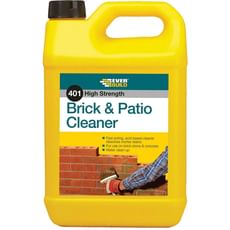
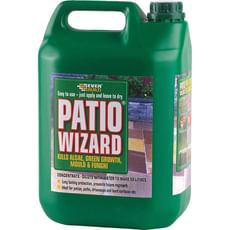
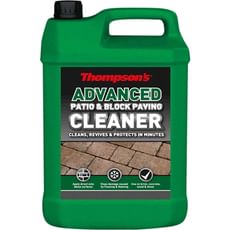
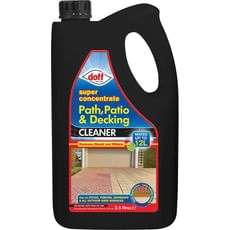
 Loading...
End of content
Error - No more pages to load
About Patio & Path Cleaners
Patio and path cleaners are specialist chemical solutions designed to remove organic growth, staining, and discolouration from outdoor hard surfaces. These powerful formulations tackle algae, moss, mould, mildew, and lichen that accumulate on patios, paths, driveways, decking, and block paving over time. Available in both concentrated and ready-to-use formats, patio cleaners offer an effective alternative to pressure washing, often requiring no scrubbing or rinsing once applied. The chemical action breaks down organic matter and prevents regrowth for extended periods, typically delivering visible results within 1-2 days of application.
The range at Tooled-Up includes acid-based cleaners for heavy-duty stain removal from brick and stone surfaces, as well as biocide-based solutions containing active ingredients like Benzalkonium Chloride that specifically target biological growth. Many modern formulations are designed to be environmentally considerate whilst maintaining strong cleaning performance. Concentrated products offer exceptional value, with some making up to 12 litres of working solution from a single container, making them ideal for larger commercial projects or extensive domestic areas.
Professional-grade patio cleaners from trusted brands including Everbuild, Doff, Ronseal, and Sealey provide long-lasting results that can protect surfaces for up to 12 months after application. These products are suitable for use on a wide variety of materials including natural stone, concrete, terracotta, sandstone, and composite decking, though always check manufacturer specifications for surface compatibility before use.
Jargon Buster
- Biocide: A chemical substance designed to kill or inhibit the growth of living organisms such as algae, moss, mould, and bacteria on outdoor surfaces.
- Benzalkonium Chloride: A quaternary ammonium compound commonly used as the active ingredient in patio cleaners for its antimicrobial and antifungal properties.
- Acid-based cleaner: Formulations containing diluted acids (typically hydrochloric or phosphoric acid) that dissolve mineral deposits, cement residue, and stubborn organic staining through chemical reaction.
- Concentrate: A highly potent solution requiring dilution with water before application, offering better value and easier storage than ready-to-use alternatives.
- Algae: Simple plant-like organisms that create green or black slimy growth on damp outdoor surfaces, making them slippery and unsightly.
- Efflorescence: White crystalline salt deposits that appear on masonry surfaces, often requiring acid-based cleaners for removal.
Who Uses Patio & Path Cleaners?
- Landscape gardeners and groundskeepers maintaining commercial and residential outdoor spaces
- Property maintenance contractors servicing multiple sites and estates
- Garden maintenance professionals offering seasonal cleaning services
- Building contractors and bricklayers removing mortar staining and efflorescence from new installations
- Facilities managers responsible for car parks, walkways, and building exteriors
- Caravan and holiday park operators maintaining pathways and communal areas
- Local authority maintenance teams keeping public spaces safe and presentable
- Homeowners and DIY enthusiasts maintaining their own gardens, patios, and driveways
- Professional cleaners specialising in exterior property care
- Restoration specialists working on historic buildings and heritage properties
How to Choose the Right Patio & Path Cleaners
Surface type: Identify your surface material before purchasing. Acid-based cleaners work excellently on brick, concrete, and natural stone but may damage certain sensitive surfaces. Always verify that the cleaner is compatible with your specific paving material, particularly with limestone, marble, or coloured concrete where acid formulations could cause etching or discolouration.
Type of soiling: Different formulations target specific problems. Biocide-based cleaners excel at removing and preventing organic growth like moss and algae, whilst acid-based products are superior for cement residue, rust stains, and mineral deposits. For general maintenance, multi-purpose formulations from Tooled-Up.com offer versatility across various cleaning challenges.
Coverage area: Calculate the total surface area requiring treatment to determine whether concentrated or ready-to-use products offer better value. Concentrated formulations typically provide significantly more coverage per container and reduce storage requirements, making them economical for larger projects or professional users maintaining multiple properties.
Application method: Consider whether you prefer products requiring scrubbing and rinsing or advanced "apply and walk away" formulations that work through natural weathering. No-rinse products save considerable labour time but may take several days to show full results, whilst traditional cleaners offer immediate visible improvement with more physical effort.
Longevity of results: Some premium products incorporate growth inhibitors that prevent organic matter returning for 6-12 months, reducing maintenance frequency. Whilst these may cost more initially, they offer better long-term value for professional contractors and time-conscious homeowners.
Environmental considerations: Check COSHH data sheets and environmental credentials if working near planted areas, water features, or drainage systems. Many modern formulations balance cleaning effectiveness with reduced environmental impact.
Popular Accessories
- Garden sprayers and pressure sprayers for even application of diluted cleaning solutions
- Stiff-bristled brushes and deck scrubbers for agitating stubborn staining
- Chemical-resistant gloves and safety goggles for personal protection during application
- Measuring jugs and mixing containers for accurate dilution of concentrated products
- Pressure washers for pre-cleaning or post-treatment rinsing
- Protective sheeting and masking tape to shield plants and adjacent surfaces
- Watering cans with rose attachments for gentle, even distribution
- Storage containers for safely keeping diluted solutions and concentrates
Safety Information
Patio and path cleaners contain potent chemical ingredients that require careful handling. Always wear appropriate PPE including chemical-resistant gloves, eye protection, and protective clothing when mixing and applying these products. Work in well-ventilated areas and avoid application in windy conditions that might cause spray drift onto skin or into eyes. Never mix different cleaning products together as dangerous chemical reactions may occur.
Keep children and pets away from treated areas during application and whilst surfaces remain wet. Protect surrounding vegetation by covering plants with plastic sheeting or thoroughly watering them before and after treatment to dilute any overspray. Store products in their original containers in secure, cool locations away from foodstuffs and out of reach of children.
Comply with COSHH regulations when using these products in professional settings, ensuring proper risk assessments are completed and that all operatives understand correct handling procedures. Dispose of empty containers and waste solution responsibly according to local authority guidelines. Acid-based cleaners require particular caution as they can cause severe burns and eye damage if mishandled.
Frequently Asked Questions
How long do patio cleaners take to work?
This depends on the product type and formulation. Traditional cleaners that require scrubbing provide immediate visible results, whilst modern "apply and leave" formulations typically show noticeable improvement within 1-2 days, with full results appearing over 5-7 days as natural weathering completes the cleaning process. Results can last between 6-12 months depending on exposure and product quality.
Can I use patio cleaner on all outdoor surfaces?
No - always check the manufacturer's specifications first. Acid-based cleaners are unsuitable for acid-sensitive materials like limestone, marble, and some decorative aggregates. Different surfaces require specific formulations, so verify compatibility before application to avoid permanent damage or discolouration.
Do I need to pressure wash before using patio cleaner?
Pre-washing isn't always necessary but can improve results. Removing loose debris, leaves, and surface dirt allows the cleaner better contact with staining and organic growth. However, many concentrated formulations available from Tooled-Up work effectively on dry surfaces without pre-treatment, saving time and water.
Is it safe to use patio cleaners near plants and lawns?
Use caution when working near vegetation. Thoroughly water plants before treatment to dilute any accidental overspray, cover delicate plants with plastic sheeting, and rinse any affected foliage immediately with clean water. Choose biocide-based rather than acid-based products when working in heavily planted areas, and always follow manufacturer guidance regarding environmental precautions.
What's the difference between concentrate and ready-to-use cleaners?
Concentrated products require mixing with water before application but offer significantly better value per litre of working solution. They're ideal for larger areas or professional use. Ready-to-use products come pre-diluted for immediate application, offering convenience for smaller domestic jobs but at a higher cost per square metre of coverage.