

Pen Knives

Pay in 3 interest-free payments on purchases from £20-£3000 with  . Learn more.
 Loading...
End of content
Error - No more pages to load
About Pen Knives
Pen knives, also known as pocket knives or folding knives, are compact, portable cutting tools that have been essential companions for tradespeople, outdoor enthusiasts, and everyday users for generations. Modern pen knives have evolved far beyond simple cutting implements to become sophisticated multi-tools that combine blades with an array of useful functions including screwdrivers, files, bit holders, and socket drivers. These versatile tools are designed to fold compactly for safe pocket carry whilst providing immediate access to multiple tool functions whenever needed on the job site, in the workshop, or during outdoor activities.
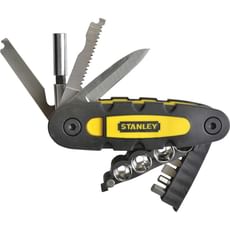
The pen knives available from Tooled-Up.com represent the latest generation of multi-functional pocket tools, engineered with ergonomic bi-material grips for enhanced control and featuring locking mechanisms that secure blades and tools at multiple angles for safe, effective use. Whether you need a straightforward folding blade for cutting packaging and materials or a comprehensive multi-tool with integrated driver bits and sockets, today's pen knives deliver professional-grade functionality in a pocket-sized format. Quality models incorporate both plain edge and serrated blades, metal files, and quick-change bit holders that accept standard ¼-inch drive accessories.
For tradespeople working across multiple sites or DIY enthusiasts tackling varied projects, a well-equipped pen knife eliminates the need to carry separate tools for basic cutting, screwing, and fastening tasks. Premium models feature tool components that lock securely at 90°, 135°, and 180° positions, transforming a compact folding tool into a functional screwdriver or reamer as required. The Tooled-Up range includes trusted brands like Stanley, known for their 14-in-1 multi-tools that pack impressive functionality into genuinely pocket-sized packages suitable for everyday carry.
Jargon Buster
- Locking Mechanism: A safety feature that secures the blade or tool component in the open position to prevent accidental closure during use. Quality pen knives feature locks that engage positively at multiple angles including 90°, 135°, and 180°.
- Serrated Blade: A knife edge with teeth or scalloped cuts along the cutting edge, particularly effective for sawing through rope, webbing, cardboard, and fibrous materials where a plain edge might slip or require more pressure.
- Bi-Material Grip: A handle construction combining two different materials, typically a rigid polymer core with softer rubber or elastomer inserts, designed to improve grip comfort and control whilst reducing hand fatigue during extended use.
- Bit Holder: An integrated tool component that accepts standard ¼-inch square or hex drive screwdriver bits, allowing the pen knife to function as a compact screwdriver with interchangeable tips for various fastener types.
- Tang: The portion of the blade that extends into the handle. Full tang construction, where the blade extends through the entire handle length, provides maximum strength and durability for demanding applications.
- Drop Point Blade: A knife blade style where the spine curves gradually down to meet the point, creating a strong tip suitable for precision work whilst reducing the risk of accidental punctures compared to sharper point styles.
Who Uses Pen Knives?
- Electricians: For stripping cable insulation, cutting wire, and accessing screws in junction boxes and electrical fittings
- Carpenters and joiners: Opening packaging, marking measurements, trimming materials, and quick screwdriver access
- Plumbers: Cutting sealant tubes, trimming pipe insulation, and general site work requiring portable cutting tools
- Warehouse and logistics workers: Opening boxes, cutting strapping and packaging materials throughout the working day
- Maintenance engineers: General repairs requiring compact cutting and fastening tools across varied equipment
- Camping and outdoor enthusiasts: Preparing food, cutting cordage, equipment repairs, and general campsite tasks
- Anglers and hunters: Line cutting, preparing bait, field dressing, and tackle maintenance
- DIY enthusiasts: Home improvement projects, gardening tasks, and general household repairs
- Utility workers: Field maintenance requiring portable multi-function tools for varied tasks
- Facilities managers: Building maintenance, quick repairs, and everyday cutting requirements
How to Choose the Right Pen Knives
Blade Types and Quantity: Consider whether you need a single blade or multiple blade types. Models featuring both plain edge and serrated blades offer maximum versatility, with the plain edge suited to precision cutting and the serrated edge excelling at sawing through tough materials. Professional multi-tools often include dedicated cutting blades alongside tool functions.
Tool Functions Required: Assess which additional tools you'll genuinely use. Basic models may include just a blade and screwdriver, whilst comprehensive multi-tools incorporate bit holders with interchangeable tips, socket drivers in common metric sizes (10mm, 11mm, 12mm, 13mm), metal files, and bottle openers. Choose a model that matches your typical tasks without unnecessary bulk.
Size and Portability: Pen knives range from slim, minimalist designs to more robust multi-tools. Consider where you'll carry the tool – smaller models suit trouser pockets comfortably for all-day carry, whilst larger multi-tools may be better suited to tool belts, work bags, or vehicle storage. Check folded dimensions against your carrying preferences.
Locking Mechanisms: Safety should be paramount when selecting any folding knife. Quality models feature positive locking mechanisms that secure blades and tools at working angles, preventing dangerous collapses during use. Look for locks that engage at multiple positions (90°, 135°, 180°) for maximum versatility and safety across different applications.
Handle Design and Grip: Ergonomic handles with bi-material construction provide superior grip and reduce hand fatigue during extended use. Textured or rubberised grip areas are particularly valuable when working with wet or oily hands. Consider handle length relative to your hand size for comfortable, controlled operation.
Build Quality and Brand Reputation: Established brands like Stanley manufacture pen knives to professional standards with quality blade steel that holds an edge through regular use. Check for robust construction with tight component tolerances – looseness or play in the mechanism indicates inferior quality that may compromise safety and longevity.
Popular Accessories
- Replacement Screwdriver Bits: Additional ¼-inch drive bits in various profiles (Pozi, Torx, hex) to expand your multi-tool's fastening capabilities
- Knife Sharpening Stones: Diamond or ceramic pocket sharpeners for maintaining blade edges in the field
- Belt Pouches and Sheaths: Protective carrying cases with belt clips for secure, accessible tool storage
- Lanyards and Pocket Clips: Retention systems to prevent loss during active work or outdoor activities
- Protective Blade Oil: Maintenance lubricants to prevent corrosion and ensure smooth operation of folding mechanisms
- Bit Extension Holders: Adaptors that provide additional reach when using screwdriver bits in recessed locations
- Tool Rolls and Organisers: Storage solutions for keeping pen knives alongside other hand tools in workshops or vehicles
Safety Information
Legal Considerations: In the UK, folding knives with blades under 3 inches (76mm) that do not lock open are generally legal to carry without specific reason. However, locking knives of any blade length are classified differently and should only be carried with good reason (such as for work purposes). Always check current regulations and transport pen knives responsibly, particularly when travelling or entering secure premises.
Safe Handling Practices: Always cut away from your body and keep fingers clear of the blade path. Ensure locking mechanisms are fully engaged before applying force to prevent dangerous blade collapse. When closing the knife, control the blade throughout its travel rather than allowing it to snap shut. Keep blades sharp – dull edges require excessive force and are more likely to slip, causing injuries.
Maintenance and Inspection: Regularly inspect locking mechanisms, hinges, and blade condition for wear or damage. Clean debris from pivot points and apply appropriate lubricant to maintain smooth operation. Replace tools showing significant wear, loose components, or compromised locking functions. Store pen knives in dry conditions to prevent corrosion that could impair safety mechanisms.
Workplace Considerations: When carrying pen knives on site, ensure compliance with site-specific tool policies and risk assessments. Store securely when not in use and never leave accessible to unauthorised persons. Use appropriate alternative tools for heavy-duty cutting tasks beyond the pen knife's designed capabilities.
Frequently Asked Questions
What's the difference between a pen knife and a multi-tool?
Traditional pen knives focus primarily on cutting blades with perhaps one or two simple tools, whilst modern multi-tools integrate numerous functions including screwdrivers, files, bit holders, and socket drivers alongside blades. Many products now blur this distinction, with "pen knives" often describing compact multi-tools that maintain pocket-friendly dimensions whilst offering professional-grade functionality.
Can I sharpen serrated blades myself?
Serrated blades require specialised sharpening techniques using tapered ceramic rods or diamond files that fit between the teeth. Each serration must be sharpened individually from the bevelled side only. For occasional users, professional sharpening services may prove more practical than purchasing specialised equipment. Plain edge blades are considerably easier to maintain with standard pocket sharpeners.
How do I maintain the locking mechanism on my pen knife?
Keep the lock area clean by removing accumulated debris, lint, and material residue regularly. Apply a small amount of light machine oil or specialist knife lubricant to pivot points and lock components, wiping away excess to prevent dirt attraction. Avoid over-tightening any adjustable pivot screws – the blade should open smoothly whilst remaining stable without side-to-side play.
Are pen knives suitable for electrical work?
Whilst pen knives are useful for electricians' general tasks like opening packaging and cutting cable, they should never contact live electrical components. Metal blades and tools conduct electricity and create serious shock hazards. Always use properly insulated tools rated for electrical work (typically marked to 1000V) when working on or near energised circuits, even at standard 240v mains voltage.
What blade steel should I look for in a quality pen knife?
Reputable manufacturers use stainless steel alloys that balance edge retention, corrosion resistance, and ease of sharpening. Common specifications include 420HC, 440C, and various proprietary stainless formulations. For general trade and DIY use, branded products from established manufacturers like Stanley provide reliable blade performance without requiring expertise in metallurgy. Focus on overall build quality and brand reputation rather than obsessing over specific steel grades.