
Pendants & Lampholders

Pay in 3 interest-free payments on purchases from £20-£3000 with  . Learn more.
Loading...
End of content
Error - No more pages to load
About Pendants & Lampholders
Pendants and lampholders are essential electrical fittings designed to connect light bulbs to 240v mains power supplies in both domestic and commercial settings. These versatile components provide the fundamental connection point between electrical circuits and lighting elements, offering practical illumination solutions for workshops, garages, basements, utility rooms, and construction sites. Available in various configurations including batten, pendant, and ES (Edison Screw) or BC (Bayonet Cap) fittings, lampholders serve as the backbone of temporary and permanent lighting installations across the UK.
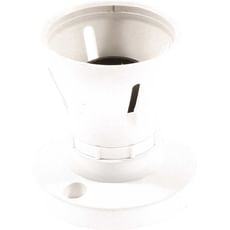
Traditional batten lampholders mount directly to ceilings or walls, providing a compact and robust lighting solution particularly suited to industrial environments and work areas where space is limited. Straight batten designs sit flush against mounting surfaces, whilst angled batten lampholders direct light at specific angles, making them ideal for task lighting in workshops and storage areas. The classic white finish ensures these fittings blend seamlessly into most environments, whilst heat-resistant skirts provide essential protection against high temperatures generated by bulbs.
Tooled-Up.com supplies quality lampholders from trusted manufacturers, ensuring tradespeople and DIY enthusiasts have access to reliable electrical fittings that meet British Standards for safety and performance. Whether installing lighting in a new workshop, replacing worn fittings on a construction site, or creating temporary illumination for renovation projects, these fundamental components deliver dependable service in demanding environments.
Jargon Buster
- Batten Lampholder
- A ceiling or wall-mounted lampholder that attaches directly to a flat surface, providing a secure base for bulb installation without requiring a pendant cord or shade.
- Bayonet Cap (BC)
- The traditional British bulb fitting featuring two pins on the bulb base that lock into slots within the lampholder by pushing and twisting. The most common type in UK properties, designated as B22d.
- Edison Screw (ES)
- A threaded bulb fitting system where the bulb screws into the lampholder. Available in various sizes, with E27 being the standard European size and E14 the smaller candle bulb size.
- H.O. Skirt
- Heat-Resisting (High Output) Skirt - a protective collar on the lampholder designed to shield surrounding materials from heat generated by high-wattage bulbs, essential for safety compliance.
- Pendant Fitting
- A suspended lampholder that hangs from the ceiling via flexible cable, allowing adjustable positioning and commonly used with lampshades or industrial-style bare bulb applications.
- 240v Mains
- The standard UK electrical supply voltage for domestic and commercial properties, to which lampholders must be safely connected via appropriate wiring and circuit protection.
Who Uses Pendants & Lampholders?
Pendants and lampholders serve a diverse range of users across professional trades and DIY applications:
- Electricians and Electrical Contractors - Installing and replacing lighting fittings in residential, commercial, and industrial properties
- Builders and General Contractors - Providing temporary site lighting during construction and renovation projects
- Maintenance Engineers - Replacing failed lampholders in factories, warehouses, and commercial premises
- Property Developers and Landlords - Fitting out rental properties and maintaining existing lighting systems
- Workshop Owners and Mechanics - Installing robust task lighting in garages and industrial workshops
- Homeowners and DIY Enthusiasts - Upgrading domestic lighting, creating workshop illumination, or replacing worn fittings
- Facilities Managers - Maintaining lighting infrastructure in schools, hospitals, offices, and public buildings
- Exhibition and Event Contractors - Creating temporary lighting installations for displays and events
How to Choose the Right Pendants & Lampholders
Selecting appropriate lampholders requires consideration of several critical factors:
Bulb Fitting Type: Determine whether you require Bayonet Cap (BC/B22d) or Edison Screw (ES/E27) fittings based on your existing bulbs and electrical setup. BC fittings remain the UK standard, though ES fittings are increasingly common with modern LED bulbs.
Mounting Style: Choose between batten-mounted (straight or angled) for direct ceiling/wall installation, or pendant fittings for suspended applications. Straight batten holders suit low-ceiling environments, whilst angled versions direct light where needed. Consider the available space and desired light direction.
Heat Protection: Ensure lampholders feature appropriate heat-resisting (H.O.) skirts if using higher wattage incandescent or halogen bulbs. This protective feature prevents heat damage to ceiling materials and reduces fire risk, particularly important in older properties with timber joists.
Material Quality: The range at Tooled-Up includes durable thermoplastic lampholders designed to withstand workshop environments and resist impact damage. Quality construction ensures longevity and maintains safe electrical connections over time.
Regulatory Compliance: Verify that lampholders meet relevant British Standards (BS EN 61184) for electrical safety. All fittings should be rated for 240v operation and carry appropriate certification for use in UK installations.
Environmental Conditions: For outdoor, damp, or dusty locations, consider weatherproof or sealed lampholders with appropriate IP (Ingress Protection) ratings to prevent moisture ingress and ensure safe operation.
Popular Accessories
- LED and Incandescent Bulbs - BC and ES fitting bulbs in various wattages and colour temperatures
- Lamp Shades and Covers - Protective and decorative covers for pendant installations
- Extension Cables and Flex - For creating or extending pendant installations to desired lengths
- Cord Grips and Cable Accessories - Secure cable management for pendant fittings
- Switch Pulls and Cords - Pull-cord switches for convenient light control
- Mounting Hardware - Screws, plugs, and fixings for secure batten installation
- Junction Boxes - For safe electrical connections in ceiling voids
- Wire Connectors and Terminal Blocks - Essential for making secure electrical connections
- Electrical Testing Equipment - Multimeters and voltage testers for safe installation verification
Safety Information
Working with 240v electrical fittings carries inherent risks that demand strict safety protocols. Always isolate power at the consumer unit before installing or replacing lampholders, and verify the circuit is dead using a reliable voltage tester. If you lack electrical qualifications or confidence, employ a certified electrician registered with an approved scheme such as NICEIC or NAPIT.
Ensure lampholders are rated for the wattage of bulbs you intend to use, and never exceed manufacturer specifications. Heat-resisting skirts provide essential protection, but incorrect installation or overloading can still create fire hazards. Maintain adequate clearance between bulbs and combustible materials, particularly in confined spaces or where insulation is present.
Check that all electrical connections are secure and properly terminated, with no exposed conductors visible. Lampholders should be firmly mounted to prevent movement that could stress connections or allow the fitting to fall. In damp locations such as garages and outdoor areas, use appropriately rated weatherproof fittings to prevent electric shock hazards.
Follow Health and Safety Executive (HSE) guidance for electrical work, and ensure installations comply with BS 7671 Wiring Regulations (IET Wiring Regulations 18th Edition). Regular inspection and testing of electrical installations helps identify deteriorating components before they present dangers.
Frequently Asked Questions
What's the difference between BC and ES lampholders?
BC (Bayonet Cap) fittings use the traditional British push-and-twist mechanism with two pins, whilst ES (Edison Screw) fittings feature threaded connections. BC remains the UK standard for most applications, though ES fittings are increasingly common with modern LED bulbs. Ensure your lampholder matches your bulb type, as they are not interchangeable.
Can I install a lampholder myself or do I need an electrician?
Whilst competent DIY enthusiasts may replace existing lampholders like-for-like, any new installations or modifications to electrical circuits must comply with Building Regulations Part P. In England and Wales, this typically requires certification by a qualified electrician. For safety and legal compliance, professional installation is recommended unless you possess appropriate electrical qualifications.
What is an H.O. skirt and why is it important?
An H.O. (Heat-Resisting or High Output) skirt is a protective collar that shields ceiling materials from heat generated by bulbs. This feature is essential for safety, preventing heat damage to surrounding materials and reducing fire risk, particularly when using higher wattage traditional bulbs. All quality lampholders should incorporate this protection.
Are these lampholders suitable for outdoor use?
Standard lampholders are designed for indoor applications in dry conditions. For outdoor or damp locations such as garages, sheds, or covered external areas, you require weatherproof lampholders with appropriate IP ratings to prevent moisture ingress. Check product specifications to ensure suitability for your intended environment.
What maximum wattage bulb can I use with a standard lampholder?
Maximum wattage varies by manufacturer but typically ranges from 60W to 100W for standard domestic lampholders. Always check the rating marked on the fitting itself. Modern LED bulbs draw significantly less power whilst producing equivalent light output, making wattage limits less restrictive whilst reducing energy consumption and heat generation.