

Perforators & Scorers

Pay in 3 interest-free payments on purchases from £20-£3000 with  . Learn more.
 Loading...
End of content
Error - No more pages to load
About Perforators & Scorers
Perforators and scorers are specialised hand tools designed to make the removal of wallcoverings significantly easier and more efficient. These ingenious devices work by creating thousands of tiny perforations in wallpaper, vinyl, and other wall coverings, allowing stripping solutions or steam to penetrate beneath the surface and break down the adhesive bond. Rather than spending hours scraping and scratching at stubborn wallpaper, a quality scorer can reduce preparation time dramatically, making decorating projects far less labour-intensive.
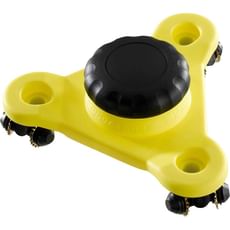
The typical wallpaper scorer features multiple rotating cutting wheels or teeth that roll across the wall surface, creating controlled perforations without damaging the plaster or plasterboard underneath. This is crucial for professional decorators and DIY enthusiasts alike, as it means you can strip old coverings without the need for extensive remedial work afterwards. Tooled-Up.com supplies perforators and scorers from trusted brands like Stanley, known for their robust construction and reliable performance on both domestic and commercial decorating jobs.
Whether you're a professional decorator tackling multiple rooms per week or a homeowner embarking on a renovation project, having the right perforator or scorer in your toolkit can transform what would otherwise be a tedious, time-consuming task into a straightforward job. These tools are particularly valuable when dealing with vinyl wallpapers, textured coverings, or multiple layers of old paper that have been painted over, where traditional scraping methods simply aren't effective.
Jargon Buster
- Orbital Scorer
- A wallpaper scorer with rotating cutting wheels that move in a circular pattern, creating evenly distributed perforations across the wall surface. The orbital action prevents over-scoring in any one area and ensures consistent results.
- Rotary Cutting Wheels
- Small, toothed wheels (often made from carbon steel) that rotate as you push the tool across the wall, creating the perforations. Quality wheels maintain sharpness over extended use and can often be replaced when worn.
- Perforation Depth
- The depth to which the cutting wheels penetrate the wallcovering. Good scorers are designed to perforate only the surface layer without damaging the plaster or drywall beneath.
- Stripping Solution
- A chemical product designed to break down wallpaper adhesive. When used in conjunction with a scorer, the solution can penetrate through the perforations to work more effectively.
- Wallcovering
- A general term encompassing wallpaper, vinyl wall coverings, textured papers, and other decorative materials applied to walls. Different types may require different scoring techniques.
Who Uses Perforators & Scorers?
- Professional Decorators: Tradespeople who need to strip wallcoverings efficiently across multiple jobs and clients
- Painters: Often required to remove old wallpaper before applying paint finishes
- Property Maintenance Teams: Council workers, housing association staff, and facilities managers preparing properties between tenancies
- Renovation Contractors: Builders and general contractors working on refurbishment projects
- Interior Designers: Professionals overseeing complete room transformations
- DIY Enthusiasts: Homeowners tackling their own decorating projects and home improvements
- Landlords: Property owners maintaining and updating rental accommodations
- Heritage Restoration Specialists: Professionals carefully removing old coverings from period properties
How to Choose the Right Perforators & Scorers
When selecting a perforator or scorer, consider the handle design and ergonomics first. You'll be applying consistent pressure while moving the tool across large wall areas, so a comfortable, easy-grip handle is essential to prevent hand fatigue. Look for rubberised or contoured handles that provide good control and reduce strain during extended use.
The number and quality of cutting wheels directly impacts performance. More wheels generally mean faster coverage, but the sharpness and durability of those wheels matter more than quantity. Carbon steel cutting wheels, as found on quality Stanley models at Tooled-Up, offer excellent longevity and maintain their edge through numerous jobs. Check whether replacement wheels are available, as this can significantly extend the tool's working life.
Head size and coverage area should match your typical working requirements. Larger heads cover more ground quickly, ideal for professional decorators working on entire properties, while more compact scorers offer better control in tight spaces, around obstacles, and near edges. Consider whether you'll be working mainly on open walls or dealing with alcoves, corners, and detailed areas.
The perforation pattern affects how well stripping solutions can penetrate. Orbital scorers create a more even distribution of holes compared to linear patterns, reducing the risk of over-scoring any particular area. This is particularly important when working with delicate plaster or older walls where you want to minimise any potential damage to the substrate.
Finally, consider the build quality and brand reputation. Professional-grade tools from established manufacturers may cost more initially but typically offer superior durability, consistent performance, and better results. This is especially important for tradespeople who rely on their tools daily and can't afford equipment failures mid-job.
Popular Accessories
- Wallpaper Stripping Solutions: Chemical products that work through the perforations to dissolve adhesive
- Steam Wallpaper Strippers: Powered devices that use steam to penetrate scored wallpaper for easier removal
- Scraper Sets: Various blade sizes and shapes for removing loosened wallpaper after scoring and treating
- Dust Sheets: Essential for protecting floors and furniture during stripping work
- Spray Bottles: For applying stripping solution to scored areas
- Replacement Cutting Wheels: Spare wheels to maintain scorer performance over time
- Sponges and Buckets: For applying water or stripping solutions and cleaning as you work
- Filling Knives: For repairing any minor wall damage before redecorating
- Protective Gloves: To protect hands when using chemical stripping solutions
Safety Information
While perforators and scorers are relatively safe hand tools, proper use is important to protect both yourself and the wall surface. Always apply consistent, moderate pressure rather than pressing hard – excessive force won't improve performance and may damage plaster or plasterboard. Test the tool on a small, inconspicuous area first, particularly on older properties where wall surfaces may be more fragile.
When using chemical stripping solutions in conjunction with a scorer, ensure adequate ventilation in the work area and wear appropriate protective gloves to prevent skin irritation. Follow the manufacturer's instructions for both the scorer and any chemical products. Be particularly careful when working near electrical outlets and switches – while the scorer itself poses no electrical hazard, moisture from stripping solutions can, so ensure power is isolated if working in close proximity to electrical fittings.
Protect your eyes from debris and splashes, especially when working overhead or using stripping solutions. Safety glasses are recommended for any decorating work. Keep the tool clean and inspect cutting wheels regularly – worn or damaged wheels should be replaced promptly to maintain effective, controlled perforation.
Frequently Asked Questions
Will a wallpaper scorer damage the plaster underneath?
When used correctly with appropriate pressure, quality scorers are designed to perforate only the wallcovering without damaging plaster or plasterboard beneath. The key is to use consistent, moderate pressure and allow the cutting wheels to do the work. Excessive force is unnecessary and may cause damage, particularly on older, softer plaster. Always test on a small area first if you're concerned about wall condition.
Can I use a scorer on painted wallpaper?
Yes, scorers are particularly useful for wallpaper that has been painted over, as the paint layer creates a waterproof barrier that prevents stripping solutions from penetrating. The scorer creates holes through both the paint and paper, allowing moisture and stripping products to reach the adhesive layer underneath. You may need to make multiple passes or apply slightly more pressure than with unpainted paper.
How do I know when the cutting wheels need replacing?
You'll notice the scorer becoming less effective – it may skip across the surface rather than gripping, or require significantly more pressure to create perforations. If you inspect the wheels closely, worn teeth will appear rounded or flattened rather than sharp. For professional decorators, replacing wheels preventatively after a certain number of jobs ensures consistent performance. DIY users may get several projects from a single set of wheels depending on the surfaces encountered.
Is it better to score before or after applying stripping solution?
Always score first, then apply stripping solution or steam. The perforations created by the scorer allow the solution to penetrate beneath the wallcovering to break down the adhesive. Applying solution first would be largely ineffective as it couldn't penetrate intact wallpaper, particularly vinyl or painted surfaces. After scoring, apply your chosen stripping method and allow adequate time for it to work before attempting removal.
Do I need a scorer for all types of wallpaper?
While not absolutely essential for all wallpaper types, a scorer dramatically speeds up removal of most coverings. It's particularly valuable for vinyl wallpapers, painted papers, thick textured coverings, and situations where multiple layers have been applied. Very thin, old wallpaper that's already loose may come away without scoring, but in most cases, especially in professional decorating work, a scorer is an invaluable time-saver that quickly pays for itself in reduced labour hours.