
Petrol Engine Tools

Pay in 3 interest-free payments on purchases from £20-£3000 with  . Learn more.


Loading...
End of content
Error - No more pages to load
About Petrol Engine Tools
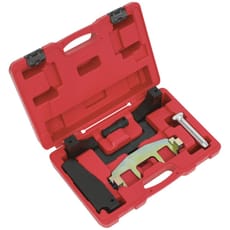
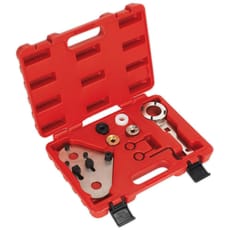
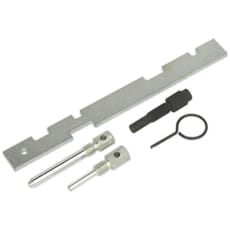
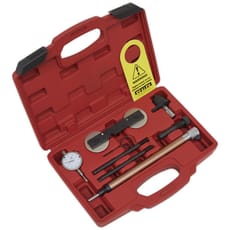
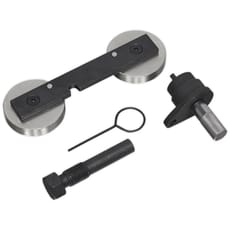
Petrol engine tools are specialised diagnostic and repair equipment designed for servicing and maintaining modern petrol engines. This comprehensive category encompasses precision timing tools, high-tension testers, and injector pullers that enable professional mechanics and automotive technicians to carry out complex engine work with accuracy and confidence. Whether you're working on timing belt replacements, valve timing adjustments, or fuel system maintenance, having the correct petrol engine tools is essential for preventing costly mistakes and ensuring engines run at peak performance.
The tools available from Tooled-Up.com are predominantly vehicle-specific, engineered to work with particular engine types and manufacturers including VAG (Volkswagen, Audi, Seat, Skoda), Ford, BMW, Mercedes, Mazda, and Volvo. From the popular Ford EcoBoost engines to Mercedes M271 units and VAG's TSFi and FSi powerplants, each engine family requires dedicated tooling to access critical timing components and maintain precise tolerances. Brands like Sealey and Draper dominate this specialist market, producing comprehensive timing tool kits that include camshaft locking tools, crankshaft setting pins, and flywheel holding devices.
Modern petrol engines operate with incredibly tight tolerances and complex timing systems, making professional-grade tools non-negotiable for anyone undertaking serious engine work. These tools prevent valve-to-piston contact during timing belt or chain replacement, enable accurate diagnosis of ignition system faults, and facilitate safe removal of components like direct fuel injectors without damaging expensive engine parts. Working on contemporary petrol engines without manufacturer-specific tooling risks catastrophic engine damage and costly repairs that far exceed the investment in proper equipment.
Jargon Buster
- Timing Tool Kit: A set of specialised tools designed to lock the crankshaft, camshaft, and other rotating components in their correct positions during timing belt or chain replacement, ensuring valves and pistons remain synchronised.
- High Tension (H.T.) Tester: A diagnostic tool used to check the ignition system's high voltage circuit, testing spark plug leads, coil packs, and distributor caps for electrical faults that cause misfires or poor engine performance.
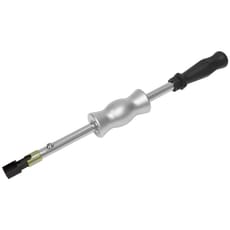
- Injector Puller: A specialist extraction tool designed to remove stuck or seized fuel injectors from the cylinder head without causing damage to the injector body or surrounding engine components.
- Camshaft Locking Tool: A precision device that holds the camshaft(s) in the exact position required during timing belt replacement, preventing the shaft from rotating and ensuring correct valve timing.
- TDC (Top Dead Centre): The highest point in the piston's travel within the cylinder, a critical reference point when setting engine timing and positioning timing tools correctly.
- FSi/TSFi: Fuel Stratified Injection and Turbo Fuel Stratified Injection - VAG's direct petrol injection systems that require specific timing tools due to their complex valve train configurations.
Who Uses Petrol Engine Tools?
- Professional Motor Mechanics: Independent garages and main dealer technicians carrying out scheduled maintenance, timing belt replacements, and engine diagnostics on a daily basis.
- Mobile Mechanics: Travelling technicians who need manufacturer-specific tools to service various vehicle makes and models at customer locations across the UK.
- MOT Testers: Testing stations diagnosing engine timing and ignition system faults that affect emissions and performance during statutory inspections.
- Vehicle Restoration Specialists: Classic car enthusiasts and professional restorers working on older petrol engines requiring precision timing adjustments.
- Fleet Maintenance Teams: Commercial vehicle workshops maintaining company cars and light commercial vehicles with petrol engines for business fleets.
- Serious DIY Mechanics: Competent home mechanics undertaking major service work on their own vehicles to save on garage labour costs.
- Automotive Training Colleges: Educational institutions teaching engine repair and diagnostics to apprentice technicians throughout their training programmes.
How to Choose the Right Petrol Engine Tools
Selecting the correct petrol engine tools requires careful consideration of your specific requirements and the vehicles you'll be working on. The most critical factor is vehicle compatibility - timing tool kits are manufactured for specific engine codes and vehicle platforms, so always verify that the tool set matches the exact engine type you're servicing. Check the manufacturer's compatibility charts carefully, as using incorrect tools can result in serious engine damage costing thousands of pounds in repairs.
Consider the frequency of use when deciding on quality level. Professional mechanics working daily on multiple vehicles should invest in robust, professional-grade tools from established brands like Sealey, which offer superior durability and precision. These tools are built to withstand repeated use and often come with comprehensive instructions and case storage. For occasional DIY use, more economical options may suffice, though compromising on quality for timing work is never advisable given the potential consequences of incorrect valve timing.
Think about coverage and versatility - if you work across multiple vehicle makes, you'll need several manufacturer-specific timing kits. Some workshops build comprehensive tool collections covering Ford, VAG, BMW, and Mercedes engines, whilst specialists may focus on particular marques. High-tension testers, by contrast, tend to be more universal and can diagnose ignition faults across various petrol engine types without requiring vehicle-specific variants.
Always check that timing tool kits include complete components for the job. Comprehensive kits should contain all necessary locking tools, pins, adaptors, and setting gauges required for the specific engine family, eliminating the need to purchase additional items mid-job. Review the contents list carefully and cross-reference with the engine manufacturer's service procedures to ensure you have everything required before commencing work.
Popular Accessories
- Torque Wrenches: Essential for accurately tightening timing belt tensioners, camshaft bolts, and crankshaft bolts to manufacturer specifications, preventing over or under-tightening.
- Timing Light: Diagnostic tool for checking ignition timing on older distributor-based petrol engines, particularly useful for classic car restoration work.
- Magnetic Pick-Up Tools: Invaluable for retrieving dropped pins, bolts, or small timing tool components from cramped engine bays without lengthy dismantling.
- Engine Support Bars: Required when removing engine mounts to access timing belt covers on certain vehicles where top-mounted access is limited.
- Scraper Sets: For cleaning old gasket material from timing covers and cylinder heads before reassembly to ensure proper sealing.
- Inspection Mirrors and LED Lights: Help visualise timing marks and component positions in cramped engine bays where direct line of sight is impossible.
- Workshop Manuals: Technical service information specific to vehicle models, detailing timing procedures, torque specifications, and tool requirements for accurate work.
- Parts Trays and Organisers: Keep small timing tool components organised and prevent loss during complex procedures involving multiple pins and adaptors.
Safety Information
Working with petrol engines requires strict adherence to safety protocols to protect both yourself and the vehicle. Always disconnect the vehicle battery before commencing timing work to prevent accidental starter motor engagement, which could cause serious injury if the engine rotates unexpectedly whilst your hands are near moving components. Never attempt to turn the engine by hand or with tools whilst timing components are locked in position, as this can result in catastrophic valve and piston damage costing thousands in repairs.
Ensure adequate ventilation when working on petrol engines, particularly when diagnosing fuel system issues or testing high-tension ignition systems. Petrol vapours are highly flammable and heavier than air, so work in well-ventilated areas away from ignition sources including sparks, naked flames, and hot surfaces. When using high-tension testers, follow the manufacturer's instructions carefully and keep hands clear of spark plug leads and coil packs whilst the ignition is active to avoid electric shock.
Always wear appropriate PPE including safety glasses to protect against fuel spray or debris when removing injectors, and nitrile gloves when handling fuel system components. Consult HSE guidance on working with vehicles and follow COSHH regulations when handling fuel, oils, and cleaning solvents. Never work beneath a vehicle supported only by a jack - always use properly rated axle stands or a vehicle lift to ensure safe working conditions underneath.
Frequently Asked Questions
Can I use universal timing tools instead of manufacturer-specific kits?
No, this is strongly discouraged and potentially dangerous. Modern petrol engines have unique timing component designs that require precisely engineered tools manufactured to exact tolerances. Using incorrect or improvised tools can result in incorrect timing, leading to bent valves, damaged pistons, and expensive engine repairs often running into thousands of pounds. Always use the manufacturer-recommended timing tool kit for your specific engine code as listed in the service documentation.
How often should timing belts be replaced on petrol engines?
Timing belt replacement intervals vary by manufacturer and engine type, typically ranging from 40,000 to 100,000 miles or 4 to 10 years, whichever comes first. Always consult the vehicle's service schedule for specific intervals as these vary considerably between manufacturers. Timing chains generally last longer but should be inspected if the engine develops unusual rattling noises at startup. Regular replacement prevents catastrophic engine failure from belt breakage, which invariably causes severe internal damage.
Do I need different timing tools for each vehicle I work on?
Yes, in most cases different manufacturers and even different engine families within the same brand require specific timing tool kits. A Ford Duratec engine needs completely different tools to a VAG TSFi engine or a BMW N20 unit due to different crankshaft and camshaft locking mechanisms. Professional workshops at Tooled-Up typically invest in multiple kits covering the most common vehicles they service, whilst home mechanics purchase tools for their specific vehicle model.
What's the difference between timing belt and timing chain tools?
Whilst both use similar locking principles to hold crankshaft and camshaft positions, timing chain engines often require additional tools for tensioner compression and chain rivet removal or installation. Chain-driven engines may also need specific tools to access components buried deeper within the engine block. Always verify exactly what's included in the kit and whether it covers belt, chain, or both configurations for your specific engine before purchasing.
Are petrol engine timing tools suitable for diesel engines?
No, diesel engines require completely different timing tool sets due to fundamental differences in engine design and operation. Diesel engines operate at higher compression ratios with different injection systems, valve timing requirements, and component access points. Never attempt to use petrol engine tools on diesel engines or vice versa as the tools are not interchangeable. Always purchase tools specifically designed for the fuel type and engine family you're working on to ensure compatibility and safety.