

Pick Hammers

Pay in 3 interest-free payments on purchases from £20-£3000 with  . Learn more.
 Loading...
End of content
Error - No more pages to load
About Pick Hammers
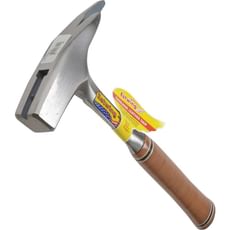
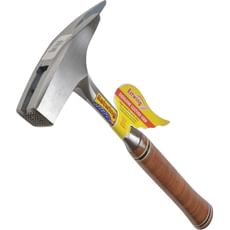
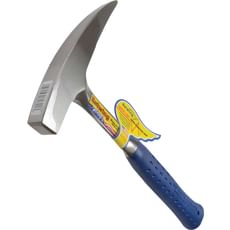
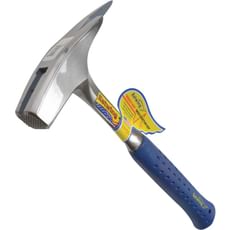
Pick hammers are specialised striking tools that combine the functionality of a traditional hammer head with an integrated pick or spike, making them invaluable for trades requiring both striking and penetrating capabilities. These versatile tools are most commonly recognised in two distinct forms: roofers' pick hammers, which feature a magnetised head, claw, and spike for slate and tile work, and geological pick hammers (also known as rock picks), which are designed for breaking, splitting and examining rock and masonry materials.
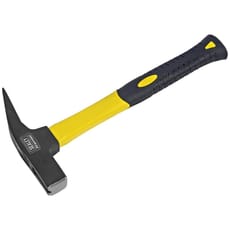
The pick hammer category at Tooled-Up.com encompasses professional-grade tools from respected manufacturers including Estwing, Faithfull, and Sealey. Roofers' pick hammers typically feature a magnetic striking face for starting nails hands-free, a curved claw for nail extraction, and a pointed spike for piercing slates and tiles. Geological picks, by contrast, are built with a flat striking head on one side and a pointed or chisel-shaped pick on the other, specifically engineered for fieldwork, excavation, and mineral prospecting. Many models feature either traditional leather grips or modern fibreglass handles, with construction ranging from forged one-piece steel designs to composite shaft assemblies.
Quality pick hammers are precision-balanced tools that reduce user fatigue during extended use whilst delivering accurate strikes and controlled pick penetration. Professional models often incorporate shock-absorbing handles, whether through genuine leather wrapping on steel shafts or vibration-dampening fibreglass construction, making them suitable for repetitive daily use on building sites, roofing projects, and geological fieldwork across the UK.
Jargon Buster
- Magnetised Head: A striking face treated to hold ferrous nails magnetically, allowing roofers to position and start fixings single-handed whilst working at height on pitched roofs.
- Pick/Spike: The pointed projection opposite the hammer head, used for piercing slate and tile, making starter holes, or breaking apart rock and masonry materials depending on the hammer type.
- Claw: The curved, forked nail extractor found on roofers' pick hammers, designed for removing old or misplaced fixings without damaging surrounding materials.
- One-Piece Forged Construction: A manufacturing method where the entire head and shaft are forged from a single piece of steel, providing maximum durability and eliminating the risk of head separation during heavy use.
- Milled Face: A hammer striking surface with cross-hatched grooves that improve grip on nail heads and reduce slippage, particularly useful when working with wet or weathered fixings.
- Fibreglass Handle: A composite shaft material that provides excellent shock absorption, weather resistance, and durability compared to traditional wooden handles, whilst remaining lighter than solid steel construction.
Who Uses Pick Hammers?
- Roofers and Slaters: Professional tradespeople who rely on pick hammers daily for slate installation, tile replacement, and general roofing repairs across residential and commercial properties.
- Geologists and Field Scientists: Professionals conducting geological surveys, rock sampling, and mineral prospecting who require robust tools for breaking and examining geological specimens.
- Archaeologists: Excavation specialists who use geological picks for careful site investigation, fossil extraction, and breaking through compacted soil layers.
- Landscapers and Groundworkers: Tradespeople who encounter buried rock, hardcore, and compacted substrates during site preparation and landscaping projects.
- Stonemasons: Craftspeople working with natural stone who use pick hammers for rough shaping, splitting, and general stonework preparation.
- Heritage and Conservation Specialists: Professionals restoring historic buildings who require appropriate tools for working with traditional roofing materials like slate and clay tiles.
- DIY Enthusiasts: Homeowners tackling roofing repairs, garden landscaping projects, or geological hobbyists exploring mineralogy and fossil collecting.
How to Choose the Right Pick Hammers
Intended Application: Determine whether you need a roofers' pick hammer with magnetic head and claw for slate and tile work, or a geological pick for breaking rock and hard materials. The design differences are significant, and choosing the correct type ensures optimal performance and safety.
Head Weight and Balance: Roofers' picks typically weigh between 500-700g, providing sufficient striking force without causing excessive fatigue during overhead work. Geological picks are often heavier (700-900g) for more powerful breaking action. Consider the balance point—quality picks from manufacturers like Estwing are precision-balanced to reduce wrist strain during repetitive use.
Handle Material and Construction: One-piece steel construction with leather grip offers maximum durability and is preferred by many traditional roofers, whilst fibreglass-handled models from brands like Sealey provide superior shock absorption and are lighter for extended use. Steel handles conduct vibration more directly but are virtually indestructible, whereas fibreglass reduces fatigue but may eventually require replacement after years of heavy site use.
Magnetic Features: For roofing work, a magnetised striking face is essential for single-handed nail starting when working on ladders or scaffolding. Check whether both the smooth and milled faces are magnetised on dual-face models available from Tooled-Up.
Face Type: Smooth faces are standard for general roofing work, whilst milled (serrated) faces provide better purchase on nail heads in wet conditions or when working with weathered fixings. Some professional models offer both face types on a single head.
Brand Reputation and Warranty: Established manufacturers like Estwing (USA-made with lifetime warranties), Faithfull, and Sealey Premier produce tools built to withstand professional daily use. Investment in quality pays dividends through extended tool life and reduced replacement costs.
Popular Accessories
- Roofing Nails and Fixings: Galvanised slate nails, copper clout nails, and tile fixings designed specifically for use with roofers' pick hammers.
- Nail Bags and Tool Belts: Leather or synthetic pouches for carrying fixings and tools whilst working at height on roofing projects.
- Safety Equipment: Hard hats, safety goggles, work gloves, and non-slip footwear essential for roofing and geological fieldwork.
- Measuring and Marking Tools: Tape measures, chalk lines, and slate cutters that complement pick hammer use during roofing installations.
- Tool Holsters and Loops: Dedicated hammer holders that attach to tool belts, keeping pick hammers secure yet accessible when working at height.
- Replacement Handles: Spare fibreglass or wooden handles for models with replaceable shaft construction (though not applicable to one-piece forged designs).
- Chisels and Pry Bars: Complementary hand tools for slate removal, tile lifting, and general demolition work alongside pick hammers.
Safety Information
Eye Protection: Always wear safety goggles or a full face shield when using pick hammers, particularly for rock breaking or demolition work. Flying fragments of slate, tile, or stone can cause serious eye injuries. This is a critical HSE requirement for professional tradespeople.
Working at Height: When using roofers' pick hammers on ladders, scaffolding, or pitched roofs, ensure proper fall protection equipment is in place. Maintain three points of contact when climbing, and use tool lanyards to prevent dropped hammers causing injury to ground personnel.
Hand and Finger Protection: Wear appropriate work gloves to protect against blisters during extended use and to improve grip in wet conditions. However, ensure gloves don't compromise your ability to grip the handle securely, as slippage can lead to mis-strikes and injuries.
Strike Zone Awareness: Always ensure your free hand and other body parts are clear of the strike zone. When using the pick/spike function, be mindful of what lies beneath the surface you're penetrating—hidden electrical cables, pipework, or structural elements can present serious hazards.
Tool Condition: Inspect pick hammers before each use for loose heads (on composite handle models), damaged handles, mushroomed striking faces, or blunted picks. Damaged tools should be removed from service immediately as they present significant safety risks and reduce working efficiency.
Proper Technique: Use controlled, deliberate strikes rather than excessive force. Let the tool's weight and design do the work—over-swinging increases fatigue, reduces accuracy, and raises the risk of injury from mis-strikes or tool slippage.
Frequently Asked Questions
What's the difference between a roofers' pick hammer and a geological pick?
Roofers' pick hammers feature a magnetised striking face for holding nails, a claw for nail extraction, and a spike for piercing slate and tile. They're balanced for overhead work and typically weigh 500-700g. Geological picks have a standard hammer head on one side and a pointed or chisel-shaped pick on the other, designed for breaking rock and fieldwork. They're generally heavier (700-900g) and lack the magnetic and claw features specific to roofing work.
Why do some pick hammers have leather grips whilst others have fibreglass handles?
Leather-wrapped steel handles on one-piece forged hammers provide maximum durability and a traditional feel preferred by many professional roofers. They're virtually indestructible but transmit more vibration to the user's hand. Fibreglass handles offer superior shock absorption, reducing fatigue during extended use, and are lighter overall. They're also weather-resistant and won't rot like wooden handles, though the handle itself may eventually need replacement after years of heavy professional use, unlike one-piece steel construction.
Can I use a roofers' pick hammer for general carpentry work?
Whilst roofers' pick hammers can drive nails, they're specifically designed for roofing applications with lighter head weights and specialised features (magnetic face, slate spike) that don't translate well to general carpentry. For joinery and framing work, a dedicated claw hammer or framing hammer provides better balance, appropriate head weight, and nail-pulling leverage. Using the right tool for each trade ensures optimal performance and reduces fatigue.
How do I maintain the magnetism in my roofers' pick hammer?
The magnetic properties in quality hammers like those from Estwing are permanent and don't require maintenance. However, magnetism can weaken if the hammer is repeatedly dropped onto hard surfaces from height or subjected to extreme heat. Store your hammer properly, avoid leaving it in direct sunlight in vehicles during summer, and don't use it as a makeshift anvil. If magnetism does fade, some tool specialists can re-magnetise heads, though replacement is often more cost-effective.
Are pick hammers suitable for breaking up concrete?
Pick hammers can break light concrete, mortar, and render, but they're not designed for heavy-duty concrete demolition. For substantial concrete breaking, a proper demolition hammer, club hammer with bolster chisel, or powered breaker is more appropriate and safer. Using a pick hammer beyond its intended capacity risks damaging the tool, causes excessive user fatigue, and presents safety hazards from flying debris and potential tool failure.