

Pickaxes

Pay in 3 interest-free payments on purchases from £20-£3000 with  . Learn more.

 Loading...
End of content
Error - No more pages to load
About Pickaxes
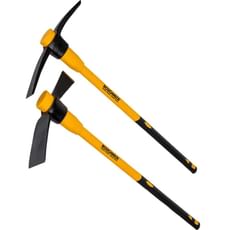
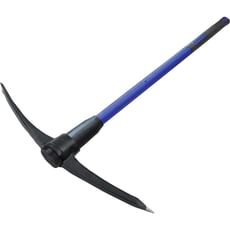
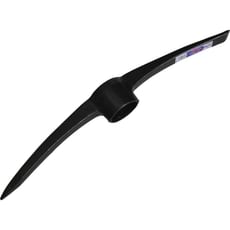
Pickaxes and mattocks are essential heavy-duty hand tools designed for breaking up hard surfaces, excavating compacted earth, and demolishing tough materials. Whether you're a professional groundworker tackling a major excavation project or a keen gardener preparing a neglected plot, these robust tools deliver the striking power and leverage needed to work through rocks, concrete, hard-packed soil, and tree roots. The category encompasses traditional pickaxes with their characteristic pointed pick and flat chisel ends, as well as mattocks and hybrid designs that combine features for specific applications.
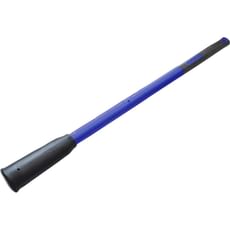
The range available from Tooled-Up.com includes complete pickaxes and mattocks from trusted brands like Draper, Roughneck, Faithfull, and Spear and Jackson, alongside replacement heads and handles for maintaining existing tools. Modern pickaxes feature either traditional hardwood handles made from hickory or ash, or contemporary fibreglass construction that offers excellent shock absorption and durability. Heads are typically forged from high-carbon steel, heat-treated for maximum strength and edge retention when working in the most demanding conditions.
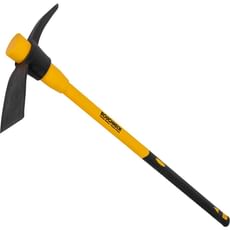
Beyond standard pickaxes, this category includes specialist variants such as cutter mattocks with vertical and horizontal cutting edges, pick mattocks that combine a pointed pick with an adze blade, and grubbing mattocks optimised for clearing roots and vegetation. Floor scrapers and root diggers extend the versatility further, making these tools invaluable across groundwork, landscaping, demolition, and agricultural applications.
Jargon Buster
- Adze - A horizontally-mounted cutting blade on a mattock, perpendicular to the handle, used for chopping through roots, breaking up soil, and trenching work.
- Cutter Mattock - A mattock featuring both a vertical axe blade and a horizontal adze blade, ideal for cutting through turf, roots, and compacted soil during cultivation work.
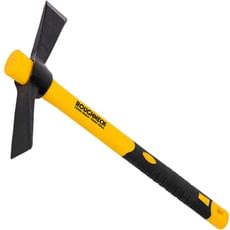
- Pick Mattock - A hybrid tool combining a pointed pick (for breaking hard ground) on one side with an adze blade (for cutting and digging) on the other.
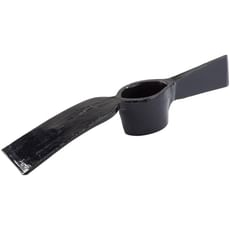
- Eye - The oval or circular socket in the tool head where the handle is fitted and secured, typically with a wooden or steel wedge.
- Fibreglass Handle - Modern handle construction using glass-reinforced polymer that provides excellent shock absorption, weather resistance, and durability compared to traditional timber.
- Grubbing - The process of clearing land by removing roots, stumps, and vegetation, typically performed with a grubbing mattock or similar heavy-duty tool.
Who Uses Pickaxes?
Pickaxes and mattocks are essential tools for a wide range of professionals and enthusiasts:
- Groundworkers and Excavation Contractors - Breaking up hard surfaces, removing concrete, and preparing sites for foundation work
- Landscapers and Garden Designers - Soil preparation, removing tree roots, creating drainage trenches, and reshaping terrain
- Agricultural Workers and Smallholders - Breaking new ground, clearing land, installing fence posts, and general farm maintenance
- Demolition Specialists - Breaking up concrete floors, removing old paving, and dismantling hardscaping features
- Utility Workers - Installing cables and pipes, creating access trenches, and repairing underground infrastructure
- Archaeologists and Geological Surveyors - Careful excavation work and breaking through rocky substrates
- Forestry Workers - Removing stumps, clearing roots, and preparing woodland areas for replanting
- DIY Enthusiasts and Gardeners - Heavy garden clearance, creating new beds, removing unwanted hard surfaces
How to Choose the Right Pickaxes
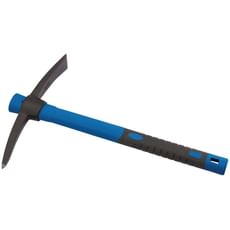
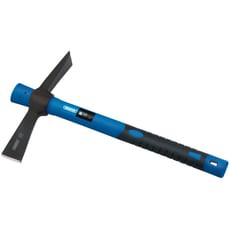
Tool Type: Select a standard pickaxe with pointed pick and flat chisel for demolition and rock breaking. Choose a cutter mattock with vertical blade and adze for soil cultivation and root cutting. Opt for a pick mattock to combine ground-breaking capability with digging efficiency, particularly useful for hard, uncultivated ground.
Handle Material: Traditional hickory or ash handles offer excellent shock absorption and a natural feel, though they require maintenance and can deteriorate in wet conditions. Fibreglass handles provide superior durability, weather resistance, and consistent shock dampening throughout their lifespan, making them ideal for professional use and demanding applications.
Handle Length: Full-size handles (typically 900mm) provide maximum leverage and striking power for heavy-duty work. Mini or medium-length handles offer better control in confined spaces and reduce fatigue during extended use, making them suitable for gardening and lighter applications.
Head Weight and Quality: Heavier heads (2-3kg) deliver greater impact force for breaking concrete and hard rock, whilst lighter heads offer better control for precision work. Look for drop-forged, heat-treated steel construction with properly hardened cutting edges that can be resharpened when worn.
Handle Security: Quality tools feature properly sized eyes with secure handle fitting using wooden or metal wedges. Check that replacement handles are available for the specific head pattern if purchasing heads separately.
Brand Reputation: Tooled-Up stocks established brands like Draper Expert, Roughneck, and Faithfull that offer proven reliability, proper heat treatment, and good warranty support for professional users.
Popular Accessories
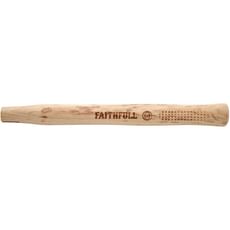
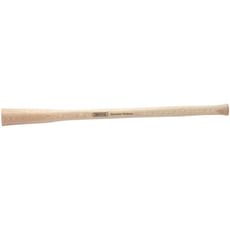
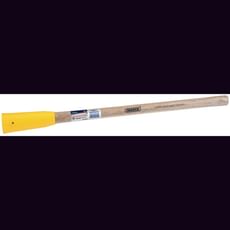
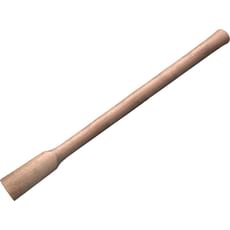
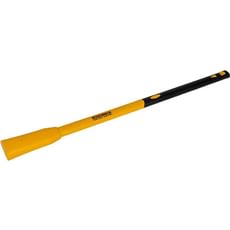
- Replacement Handles - Spare hickory, ash, or fibreglass handles in various lengths to repair damaged tools
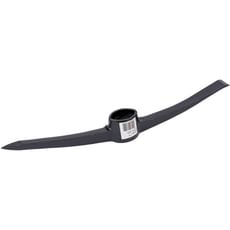
- Replacement Heads - Individual pickaxe, mattock, and hybrid heads for fitting to existing handles
- Handle Wedges - Wooden and steel wedges for securing heads firmly to handles
- Tool Oil and Rust Prevention - Protecting metal heads from corrosion during storage
- Sharpening Files and Stones - Maintaining sharp cutting edges on picks, adzes, and blades
- Work Gloves - Heavy-duty leather or synthetic gloves for grip and blister prevention
- Safety Boots - Steel toe-capped footwear essential when using striking tools
- Eye Protection - Safety glasses or goggles to guard against flying debris and rock fragments
- Tool Sheaths and Guards - Protecting cutting edges during transport and storage
Safety Information
Pickaxes and mattocks are powerful striking tools that demand respect and proper safety practices. Always wear steel toe-capped safety boots to protect feet from dropped tools or mis-strikes, and use impact-resistant safety glasses to guard against flying rock chips, concrete fragments, and debris. Heavy-duty work gloves provide essential grip and protect hands from blisters during extended use, whilst also cushioning vibration.
Before each use, inspect the tool carefully. Check that the head is securely fitted to the handle with no looseness or movement, examine wooden handles for splits or cracks that could cause failure, and ensure cutting edges are sharp but free from dangerous chips or cracks. Never use a tool with a damaged handle, as loss of control can cause serious injury. Maintain a clear working area with at least two metres radius around your striking zone, ensuring bystanders are well clear before swinging.
When striking, maintain a balanced stance with feet shoulder-width apart and ensure your swing path is clear of obstructions, overhead cables, and underground services. Check for buried utilities before excavating, and contact local authorities if uncertain. Always strike away from your body and legs, and wear appropriate PPE as recommended by HSE guidance for groundwork and excavation activities. Store tools with edge guards fitted and keep them out of reach of children and untrained users.
Frequently Asked Questions
What's the difference between a pickaxe and a mattock?
A pickaxe features a pointed pick on one side for breaking hard materials like rock and concrete, with a flat chisel blade on the other for prying and levering. A mattock (or cutter mattock) has two cutting edges - a vertical axe blade and a horizontal adze - designed primarily for digging, cutting roots, and working soil rather than breaking hard surfaces. Pick mattocks combine a pointed pick with an adze, offering versatility for both breaking ground and cultivation work.
Should I choose a wooden or fibreglass handle?
Traditional hickory or ash handles provide excellent shock absorption and a natural feel appreciated by many tradespeople, though they require maintenance and can split or rot if exposed to moisture. Fibreglass handles offer superior durability, consistent performance in all weather conditions, and excellent vibration dampening throughout their service life. For professional daily use or tools left outdoors, fibreglass typically proves more reliable, whilst traditional timber handles suit occasional use and those preferring classic tool construction.
How do I maintain my pickaxe or mattock?
After each use, remove soil and debris, then wipe metal components with an oily rag to prevent rust. Periodically sharpen cutting edges using a mill file, working from the centre outwards at the original bevel angle. Check handle security regularly, tightening wedges if needed, and treat wooden handles with linseed oil to prevent drying and splitting. Store tools in a dry location with edge guards fitted, hanging them if possible to keep handles straight and prevent damage.
Can I replace the handle if it breaks?
Yes, replacement handles are readily available in various materials and lengths. To replace a handle, drive out the old wedge, remove the broken handle from the eye (heating the head may help), select a correctly sized replacement handle, fit it through the eye from the head side, then secure it with new wooden and metal wedges driven firmly into the handle end. Replacement handles and heads are stocked separately at Tooled-Up.com for all major brands.
What size pickaxe do I need for garden work?
For general garden use, a mini or medium-length mattock (600-750mm handle) provides excellent control whilst reducing fatigue during extended work like bed preparation or root removal. These lighter tools still deliver adequate breaking power for typical garden obstacles whilst being easier to manage in confined spaces. Full-size pickaxes (900mm handles) suit heavy clearance work, breaking up old patios, or tackling seriously compacted ground where maximum leverage and impact force are needed.