

Piercing Saws
Pay in 3 interest-free payments on purchases from £30-2000 with  . Learn more.
 Loading...
End of content
Error - No more pages to load
About Piercing Saws
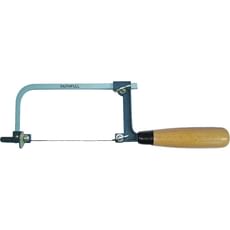
Piercing saws, also known as jeweller's saws or fret saws, are precision cutting tools designed for intricate work on thin materials. These specialist hand tools feature an adjustable C-shaped frame that holds an extremely fine blade under tension, allowing craftsmen to execute delicate, detailed cuts in sheet metal, plastic, wood veneer and other thin materials up to approximately 1mm thick. The deep throat of the frame enables users to cut well into the centre of a workpiece without obstruction, making piercing saws indispensable for creating complex shapes, internal cutouts and decorative patterns that would be impossible with standard saws.
The blades used in piercing saws are considerably finer than those found in coping saws or hacksaws, with some variants offering teeth so small they're barely visible to the naked eye. This ultra-fine tooth configuration produces exceptionally smooth cuts with minimal material waste, which is particularly valuable when working with precious metals like gold, silver or platinum. Tooled-Up.com stocks quality piercing saws from trusted manufacturers like Faithfull, designed to deliver the precision and control demanded by professional craftspeople and serious hobbyists alike.
Modern piercing saws typically feature adjustable frames that can accommodate different blade lengths, a practical feature that allows users to continue working with broken blades by simply shortening the frame. The handle design is equally important, with most quality models incorporating ergonomic grips that reduce hand fatigue during extended periods of detailed work. Many experienced users apply lubricants such as beeswax to the blade during cutting, which reduces friction, extends blade life and produces cleaner cuts in metals like aluminium, copper and brass.
Jargon Buster
- Throat Depth: The distance from the blade to the back of the frame, determining how far into a workpiece you can cut. Standard piercing saws typically offer 70mm throat depth, allowing access to the centre of larger sheets.
- TPI (Teeth Per Inch): A measurement indicating blade coarseness. Piercing saw blades often range from 32 to 80 TPI, with higher numbers providing finer cuts suitable for thinner materials and more intricate work.
- Blade Tension: The tightness with which the blade is held in the frame. Proper tension is critical for accurate cutting – too loose and the blade wanders; too tight and it's prone to snapping.
- Kerf: The width of material removed by the saw blade during cutting. Piercing saws produce an extremely narrow kerf, minimising waste when working with expensive materials.
- Jeweller's Frame: Another name for a piercing saw frame, referencing its widespread use in jewellery making and precious metalwork.
- Piercing: The technique of drilling a small pilot hole in a workpiece, threading the blade through it, then cutting internal shapes without cutting in from an edge.
Who Uses Piercing Saws?
- Jewellers and Silversmiths: For cutting precious metals and creating intricate designs in rings, pendants and decorative metalwork
- Model Makers: Cutting precision parts from thin plastic, brass and wood for architectural models, railway layouts and scale replicas
- Clockmakers and Watch Repairers: Creating or modifying delicate metal components for timepiece restoration and manufacture
- Musical Instrument Makers: Cutting inlay work, fret markers and decorative elements for guitars, violins and other stringed instruments
- Sheet Metal Workers: Executing detailed cuts in thin gauge aluminium, copper and brass sheet for specialist fabrication projects
- Craft Workers and Artisans: Creating decorative items, ornamental metalwork and custom pieces requiring fine detail
- Electronics Technicians: Cutting custom mounting brackets and panels from thin metal and plastic sheet
- Woodworkers: Cutting intricate patterns in veneer, marquetry work and fine inlay details
- DIY Enthusiasts: Tackling home projects requiring precision cuts in thin materials
How to Choose the Right Piercing Saw
Frame Quality and Adjustability: Look for a robust steel frame with reliable adjustment mechanisms. The frame should hold consistent tension and allow easy blade changes. Adjustable frames are more versatile, letting you use shortened blades and accommodating different blade lengths.
Handle Comfort: Since piercing saw work often involves extended periods of detailed cutting, ergonomic handle design significantly impacts user comfort. Consider how the handle feels in your hand and whether the grip material provides adequate control without causing fatigue.
Throat Depth: Standard 70mm throat depth suits most applications, but consider your typical workpiece size. Deeper throat frames provide greater reach but may sacrifice some rigidity.
Blade Compatibility: Ensure the saw accepts standard piercing saw blades, which are widely available at Tooled-Up. Check the blade fixing mechanism – it should be secure yet allow quick changes.
Material and Durability: Quality construction ensures the frame maintains proper alignment and tension over time. Brands like Faithfull offer reliable tools built to professional standards.
Intended Use: Consider the materials you'll primarily cut. Fine jewellery work demands finer blades than general model making, and your saw should accommodate the appropriate blade range.
Popular Accessories
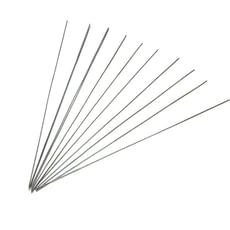
- Replacement Blades: Essential consumables available in various TPI grades for different materials and applications – always keep spares to hand
- Bench Pins: V-shaped work supports that clamp to your workbench, providing stable support for delicate workpieces during cutting
- Beeswax Lubricant: Reduces friction and heat buildup, extending blade life and improving cut quality in metals
- Pin Vices and Drill Bits: For creating pilot holes when piercing internal shapes
- Files and Needle Files: For refining cuts and smoothing edges after sawing
- Magnifying Equipment: Bench-mounted magnifiers or head-worn loupes for detailed work visibility
- Work Holding Clamps: Secure small workpieces safely during cutting operations
- Safety Glasses: Essential eye protection from flying metal particles and broken blade fragments
Safety Information
Eye Protection: Always wear safety glasses when using piercing saws. Fine metal particles and broken blade fragments can cause serious eye injuries, particularly when blades snap under tension.
Hand and Finger Safety: The extremely fine blades can cause painful cuts. Keep fingers clear of the cutting line and ensure workpieces are properly secured. Never attempt to catch a falling workpiece.
Proper Blade Tension: Over-tensioning blades increases the risk of sudden breakage and potential injury. Follow manufacturer guidelines for appropriate tension settings.
Secure Work Holding: Always secure workpieces properly using a bench pin, clamp or vice. Hand-holding small pieces significantly increases injury risk if the blade catches or breaks.
Blade Disposal: Dispose of worn and broken blades safely in appropriate sharps containers. Don't leave them loose on benches where they can cause cuts.
Frequently Asked Questions
What's the difference between a piercing saw and a coping saw?
Piercing saws are essentially finer, more delicate versions of coping saws. They use much thinner blades with higher TPI counts, designed specifically for cutting thin materials like sheet metal up to 1mm thick. Coping saws are more robust with coarser blades, intended for thicker wood and plastic materials. The piercing saw's finer blade produces smoother cuts with minimal kerf, making it ideal for precious metals and intricate detail work.
How do I prevent piercing saw blades from breaking?
Blade breakage is often caused by improper tension, forcing the cut, or blade deflection. Ensure correct blade tension – tight enough to prevent wandering but not over-tensioned. Let the blade do the work with gentle, steady strokes rather than applying excessive pressure. Keep the blade perpendicular to the workpiece and use appropriate TPI for your material thickness. Lubrication with beeswax also reduces binding and heat buildup that can weaken blades.
Can I use a piercing saw on materials other than metal?
Absolutely. Whilst piercing saws excel at cutting thin sheet metals like aluminium, copper, brass and precious metals, they're equally effective on thin wood veneers, plastics, bone, horn and even thick card or leather. Choose blade TPI appropriate to the material – finer teeth for harder materials, slightly coarser for softer ones. This versatility makes piercing saws valuable across numerous crafts and trades.
How do I cut internal shapes without cutting in from an edge?
This technique is called "piercing" and gives the tool its name. First, drill a small pilot hole within the area to be removed. Release one end of the blade from the frame, thread it through the pilot hole, then reattach it to the frame under tension. You can now cut the internal shape completely. Once finished, release one blade end again to remove the saw from the workpiece.
What TPI blade should I use for different materials?
For precious metals and very thin sheet (under 0.5mm), use 60-80 TPI blades. General sheet metal work in aluminium, brass or copper (0.5-1mm) works well with 40-60 TPI. Plastics and wood veneer typically require 32-48 TPI. As a general rule, aim to have at least three teeth in contact with the material at any time to prevent snagging. The selection available from Tooled-Up covers the full range of applications.