

Pin Spanners
Pay in 3 interest-free payments on purchases from £30-2000 with  . Learn more.
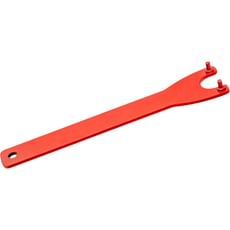
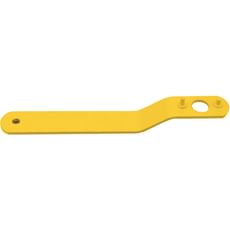
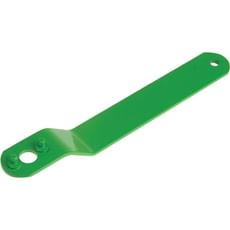
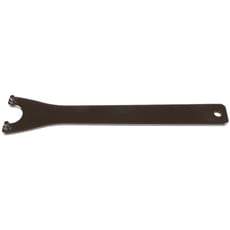
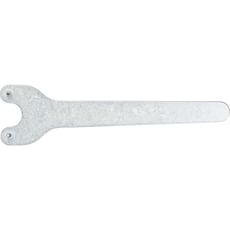
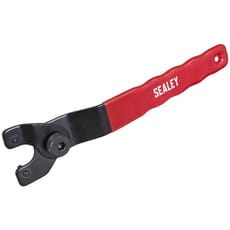
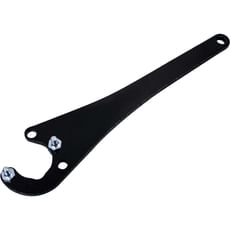
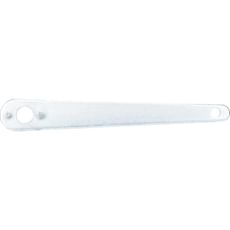
 Loading...
End of content
Error - No more pages to load
About Pin Spanners
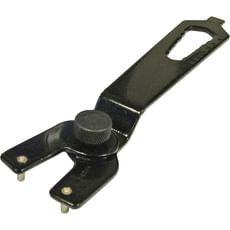
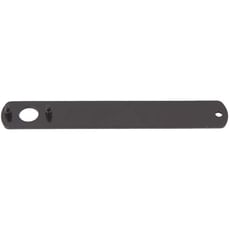
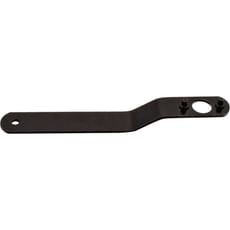
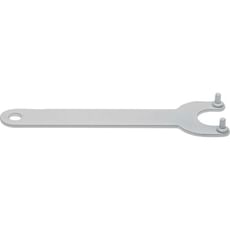
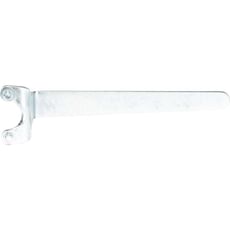
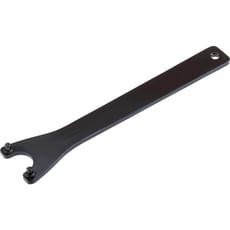
Pin spanners are essential hand tools designed specifically for tightening and loosening lock nuts and retaining rings that feature two holes or pins. Most commonly associated with angle grinders, these specialised spanners allow tradespeople to securely fit or remove abrasive discs, grinding wheels, and backing pads by engaging with the lock nut that holds these accessories in place. The tool features two protruding pins that match the holes in the lock nut, providing the leverage needed to apply the correct torque without damaging the component.
The selection at Tooled-Up.com includes both fixed and adjustable pin spanners from trusted manufacturers including Makita, Bosch Professional, Flexipads, Faithfull, Sealey, and Blue Spot. Fixed pin spanners are designed for specific pin distances and grinder sizes, whilst adjustable models offer versatility by accommodating multiple pin spacing configurations—typically ranging from 26mm to 35mm—making them suitable for 4½-inch, 5-inch, and 9-inch grinders. Beyond angle grinders, pin spanners are also used with other power tools such as biscuit jointers, straight grinders, and various machinery that employs pin-hole lock nuts for securing components.
Professional-grade pin spanners feature hardened steel construction for durability and resistance to wear, with ergonomic handles that provide comfortable grip and sufficient leverage. Colour-coded options from manufacturers like Flexipads help tradespeople quickly identify the correct spanner size for their equipment, improving efficiency on busy job sites where multiple tools may be in use simultaneously.
Jargon Buster
- Lock Nut: A threaded fastener with two holes that secures grinding discs, wheels, or other accessories to power tools. The lock nut prevents the accessory from loosening during operation due to rotational forces.
- Pin Distance/Pin Spacing: The measurement between the centres of the two pins on a pin spanner, typically expressed in millimetres (e.g., 26mm, 30mm, 35mm). This must match the hole spacing on the lock nut for proper engagement.
- Adjustable Pin Spanner: A versatile tool with moveable pins that can be adjusted to accommodate different pin spacing measurements, eliminating the need for multiple fixed spanners.
- Two-Hole Spanner: Another term for pin spanner, referring to the two protruding pins that engage with corresponding holes in lock nuts and retaining rings.
- Backing Pad: The rubber or fibre disc that sits between the grinder spindle and abrasive disc, secured by the lock nut that requires a pin spanner for fitting and removal.
- Spindle Lock: A button or mechanism on power tools that locks the spindle in place whilst tightening or loosening the lock nut with a pin spanner, preventing the shaft from rotating.
Who Uses Pin Spanners?
Pin spanners are indispensable tools across numerous trades and applications:
- Metalworkers and Fabricators – regularly changing grinding and cutting discs when working with steel, aluminium, and other metals
- Construction Workers – using angle grinders for cutting, grinding, and surface preparation on building sites
- Automotive Technicians – preparing surfaces, removing rust, and cutting metal during vehicle repairs and restoration
- Welders – cleaning welds and preparing joints with angle grinders fitted with various disc types
- Stoneworkers and Masons – cutting and shaping stone, concrete, and masonry materials
- Carpenters and Joiners – using biscuit jointers that require pin spanners for blade changes and maintenance
- DIY Enthusiasts – maintaining their power tools and changing accessories for home improvement projects
- Tool Hire Companies – servicing and maintaining grinders and other equipment between hires
- Maintenance Engineers – performing routine equipment servicing across industrial facilities
How to Choose the Right Pin Spanners
Selecting the appropriate pin spanner ensures safe and efficient disc changes whilst protecting your equipment from damage:
Fixed vs. Adjustable: Fixed pin spanners offer precision and durability for users who work predominantly with one grinder size, whilst adjustable models from brands like Sealey and Blue Spot provide versatility for workshops with multiple grinder sizes. Professionals who work exclusively with one brand and model often prefer fixed spanners for their robust construction.
Pin Spacing Compatibility: Measure the distance between the holes in your grinder's lock nut or consult your tool's manual. Common spacings include 26mm (typically 4½-inch grinders), 30mm (5-inch grinders), and 35mm (9-inch grinders). Tooled-Up stocks colour-coded Flexipads spanners that make size identification quick and straightforward on busy sites.
Brand-Specific Options: Manufacturers like Makita and Bosch Professional produce spanners specifically designed for their own grinders, ensuring perfect fitment and optimal performance. These genuine accessories often feature design elements that work seamlessly with the corresponding tool's spindle lock mechanism.
Build Quality: Look for spanners manufactured from hardened or tempered steel that resists rounding and wear. Professional-grade tools withstand the high torque required for properly securing lock nuts without bending or breaking. Handles should provide sufficient length for leverage without being unwieldy.
Multiple Tool Compatibility: If you use various power tools beyond angle grinders—such as straight grinders or biscuit jointers—verify that your chosen spanner accommodates all your equipment or consider purchasing tool-specific spanners for guaranteed compatibility.
Popular Accessories
Pin spanners work alongside various consumables and accessories:
- Grinding Discs – depressed centre, flat, and flap discs for different grinding applications
- Cutting Discs – thin abrasive discs for metal, stone, and masonry cutting
- Backing Pads – rubber support discs that cushion abrasive discs and attach to the grinder spindle
- Fibre Discs – coated abrasive discs that mount to backing pads for stock removal and surface finishing
- Flap Discs – overlapping abrasive flaps for grinding and finishing in one operation
- Wire Brushes – cup and wheel brushes for removing rust, paint, and surface contamination
- Polishing Bonnets – cloth accessories for buffing and polishing applications
- Tool Storage – toolboxes and pouches to keep spanners organised and readily accessible on site
Safety Information
Proper use of pin spanners contributes significantly to power tool safety:
Correct Tightening: Always ensure lock nuts are properly tightened with the appropriate pin spanner before operating angle grinders or other power tools. Insufficiently tightened discs can work loose during operation, potentially causing serious injury. However, avoid over-tightening, which can make removal difficult and may damage threads or the lock nut itself.
Spindle Lock Engagement: Always engage the spindle lock button on your power tool before attempting to loosen or tighten lock nuts. Failure to do so may cause the spindle to rotate unexpectedly, potentially causing injury or tool damage.
Disconnect Power: Before changing discs or performing any maintenance, always disconnect the tool from its power source—unplug 240v corded tools or remove batteries from cordless models. This prevents accidental activation during disc changes.
Inspect Before Use: Regularly check your pin spanner for wear, particularly the pins themselves. Worn or damaged pins may slip from lock nut holes, potentially causing injury or failing to secure discs properly. Replace damaged spanners immediately.
PPE Requirements: When changing abrasive discs, wear appropriate personal protective equipment including safety glasses or goggles to protect against fragments from damaged discs. Follow HSE guidance for the safe use of abrasive wheels.
Correct Tool Selection: Using the wrong size pin spanner can round out lock nut holes or slip during use. Always verify compatibility before applying force, and keep spanners organised to prevent mix-ups on site.
Frequently Asked Questions
Q: Can I use a universal adjustable pin spanner instead of buying multiple fixed spanners?
A: Yes, adjustable pin spanners offer excellent versatility for workshops or tradespeople working with multiple grinder sizes. They typically adjust between 26mm and 35mm pin spacing, covering most common angle grinder sizes from 4½ inches to 9 inches. However, fixed spanners often provide more precise fitment and greater durability for high-frequency use with a single tool.
Q: My grinder came with a pin spanner—why would I need another one?
A: Pin spanners are frequently misplaced on busy job sites or in workshops, and having spares prevents work delays. Additionally, many tradespeople keep dedicated spanners with each grinder or in different tool kits. Colour-coded options like the Flexipads range also help organise multi-tool workshops more efficiently.
Q: Will a Makita pin spanner work with my Bosch or DeWalt grinder?
A: It depends on the pin spacing. If the distance between pins matches your grinder's lock nut holes, the spanner will work regardless of brand. However, some manufacturers design spanners with features specific to their tools, such as handle shapes that work optimally with their spindle lock positioning. When in doubt, measure your lock nut's pin spacing or consult your grinder's manual.
Q: How tight should I make the lock nut with a pin spanner?
A: Tighten the lock nut firmly by hand using the pin spanner until it's secure—typically a quarter to half turn after the nut seats against the disc and backing pad. The goal is to prevent the disc from loosening during operation without over-tightening, which can make removal difficult and potentially damage threads. Never use excessive force or extend the spanner handle with additional leverage.
Q: The pins on my spanner are worn down—can I still use it safely?
A: No, worn pins compromise safety and effectiveness. Damaged pins may slip from the lock nut holes during tightening or loosening, potentially causing injury or failing to properly secure abrasive discs. Replace worn spanners immediately—they're inexpensive compared to the safety risks and potential tool damage from improperly secured accessories.