

Pincers
Pay in 3 interest-free payments on purchases from £30-2000 with  . Learn more.
 Loading...
End of content
Error - No more pages to load
About Pincers
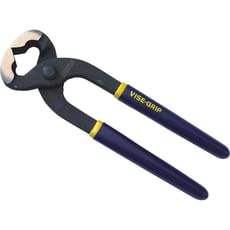
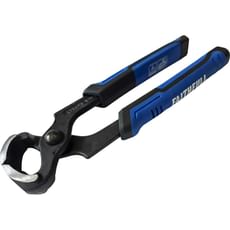
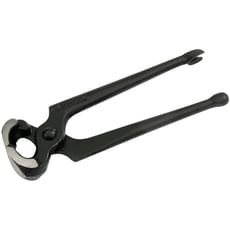
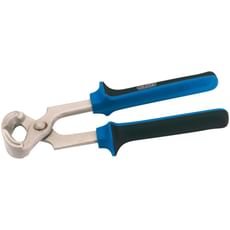
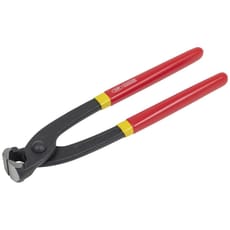
Pincers are essential hand tools designed for gripping, pulling, and extracting nails, tacks, and other fixings from timber and construction materials. Characterised by their distinctive jaws and lever action, these tools provide exceptional mechanical advantage for removing stubborn fasteners without damaging surrounding materials. Traditional carpenters pincers feature a ball and claw pattern with rounded handles that allow for rolling leverage, whilst tower pincers offer a more compact design with angled jaws perfect for reaching into tight spaces.
The pincers available from Tooled-Up.com are manufactured from forged carbon steel or high-quality alloy steel, hardened and tempered to withstand the considerable forces involved in nail extraction. Many modern designs incorporate soft-grip handles with slip guards for improved comfort during extended use, whilst maintaining the robust construction required for demanding site work. From basic 175mm carpenters pincers to specialist nail pullers, these tools remain indispensable for any professional tradesperson or serious DIY enthusiast working with timber constructions.
Whether you're dismantling pallets, removing old floorboards, stripping out existing fixtures, or rectifying mistakes during installation, a quality pair of pincers makes the job significantly easier and safer than using makeshift alternatives. The range at Tooled-Up includes trusted brands such as Faithfull, Irwin, Draper, and Expert by Facom, each offering different handle styles, jaw configurations, and overall lengths to suit specific applications.
Jargon Buster
- Ball and Claw Pattern: The traditional handle design featuring rounded ends that allow the pincers to be rolled against a surface for additional leverage when extracting stubborn nails or fixings.
- Forged Steel Construction: Manufacturing process where the tool is shaped under high pressure whilst heated, creating a denser, stronger molecular structure compared to cast tools, resulting in superior durability.
- Induction Hardened Jaws: Heat treatment process that hardens only the jaw area of the pincers using electromagnetic induction, providing excellent wear resistance at the cutting surface whilst maintaining flexibility in the body.
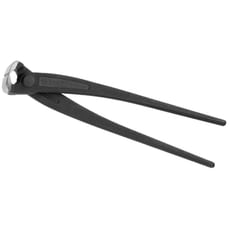
- Tower Pincers: Compact design with angled jaws positioned perpendicular to the handles, allowing access to recessed nails and fixings in confined spaces where traditional carpenters pincers cannot reach.
- Slip Guards: Raised sections or textured areas on soft-grip handles that prevent hands sliding forward onto the jaw mechanism during forceful extraction work.
- Nail Puller: Specialised pincers designed specifically for extracting nails, often featuring deeper jaw throats and enhanced gripping surfaces to secure nail heads and shanks effectively.
Who Uses Pincers?
- Carpenters and Joiners: Regular use for removing incorrectly positioned nails and dismantling timber constructions
- Roofers: Essential for removing old felt tacks and nails during roof repairs and renovations
- Flooring Specialists: Extracting old floorboard fixings without damaging salvageable timber
- Demolition Contractors: Stripping out fixtures and fittings during property renovations
- Shopfitters: Removing temporary fixings and adjusting installations
- General Builders: All-purpose extraction and gripping tasks across various trades
- Furniture Restorers: Carefully removing old fixings from antique pieces
- Groundworkers and Landscapers: Dismantling temporary formwork and removing fixings from timber structures
- DIY Enthusiasts: Home improvement projects involving timber work and renovation
- Fencing Contractors: Repairs and maintenance requiring fastener removal
How to Choose the Right Pincers
Jaw Configuration: Consider the type of work you'll be undertaking most frequently. Traditional carpenters pincers with their rounded jaws excel at general nail extraction, whilst tower pincers provide superior access in confined spaces. Nail pullers offer specialised features for extracting embedded fixings with minimal surface damage.
Overall Length: Pincers typically range from 175mm to 250mm. Shorter tools offer better control for delicate work, whilst longer versions provide increased leverage for stubborn fixings. The 175mm size represents an excellent all-purpose option for most applications.
Handle Design: Ball and claw patterns allow rolling leverage against surfaces, multiplying extraction force considerably. Soft-grip handles with slip guards reduce hand fatigue during extended use and provide better control in wet conditions. Consider the duration and frequency of use when selecting handle styles.
Material Quality: Tooled-Up stocks pincers manufactured from forged carbon steel that's been hardened and tempered. Induction-hardened jaws offer superior longevity when working with hardened steel fixings. Avoid budget tools with cast construction for professional applications.
Brand Reputation: Established manufacturers like Irwin, Faithfull, and Draper provide reliable performance backed by warranties. Professional-grade options from Expert by Facom offer enhanced durability for daily trade use.
Application Specificity: General carpentry work suits traditional patterns, whilst demolition and renovation projects may benefit from more robust tower pincers or dedicated nail pullers. Match the tool specification to your primary requirements.
Popular Accessories
- Claw Hammers: Complementary tool for initial nail lifting before pincers provide final extraction
- Wrecking Bars and Pry Bars: For heavier demolition work alongside pincer use
- Tool Belts and Pouches: Convenient carrying solutions from brands like Snickers for site work
- Protective Gloves: Leather or reinforced work gloves to protect hands during extraction tasks
- Nail Punches: For driving nails below surface level before extraction attempts
- Lump Hammers: Providing additional striking force when required
- Tool Storage Solutions: Stanley FatMax organisers and DeWalt TSTAK systems for workshop organisation
- Safety Glasses: Essential PPE protection against flying debris during nail extraction
- Multi-Tools: Complementary cutting and gripping functions for varied site work
Safety Information
Always wear appropriate eye protection when using pincers, as extracted nails and fixings can fly unpredictably, potentially causing serious injury. Safety glasses or face shields conforming to EN 166 standards provide essential protection against debris.
Inspect pincers before each use, checking for damaged jaws, loose joints, or compromised handles. Worn or damaged tools can slip unexpectedly, causing hand injuries or allowing fixings to spring back towards the user. Replace tools showing signs of excessive wear.
Maintain a secure grip and stable stance when applying leverage, particularly when using ball and claw patterns that multiply force considerably. Position yourself to avoid injury should the tool slip or the fixing suddenly release. Never apply force towards your body.
Wear suitable work gloves to protect against sharp edges on extracted nails and splinters from timber. Ensure gloves fit properly and don't compromise grip security. When working with old fixings, be aware of potential rust contamination and ensure tetanus vaccinations remain current in accordance with HSE guidance.
Frequently Asked Questions
What's the difference between pincers and pliers?
Whilst both are gripping tools, pincers are specifically designed for extracting nails and fixings from materials using leverage, featuring hardened jaws that meet at the tips. Pliers are designed for gripping, bending, and cutting wire, with jaws that grip along their length. Pincers provide significantly greater mechanical advantage for extraction work through their longer handles and rolling action.
Can I use pincers to cut wire or cable?
Standard pincers aren't designed for cutting applications and attempting this will damage the jaws and compromise their extraction performance. For cutting requirements, use purpose-designed side cutters, diagonal cutters, or combination pliers from manufacturers like Knipex or Bahco available at Tooled-Up.com.
How do I remove a nail when the head has broken off?
Use the tips of the pincer jaws to grip the nail shank as close to the surface as possible. Rock the pincers back and forth whilst applying steady outward pressure. For deeply embedded headless nails, you may need to use a nail punch to drive them through the material or employ a dedicated nail puller with deeper jaw throats designed for this situation.
What size pincers do I need for general carpentry work?
A 175mm carpenters pincer with ball and claw pattern handles represents the most versatile choice for general carpentry applications. This size provides adequate leverage for most common fixings whilst maintaining good control for precision work. Professional carpenters often carry both 175mm and 200mm versions for different situations.
How should I maintain my pincers?
Keep the jaw surfaces clean and free from debris that could prevent secure gripping. Wipe tools down after use, particularly when exposed to moisture. Apply a light coating of general-purpose oil to prevent rust on exposed metal surfaces. Store in a dry location and periodically check the joint mechanism remains tight. Never use pincers as striking tools or pry bars, as this can damage the carefully heat-treated construction.