
Pipe Bending Tools

Pay in 3 interest-free payments on purchases from £20-£3000 with  . Learn more.
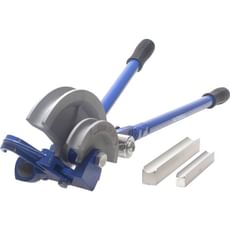
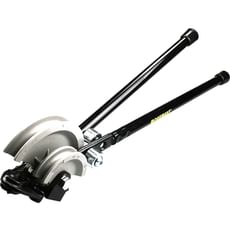
Loading...
End of content
Error - No more pages to load
About Pipe Bending Tools
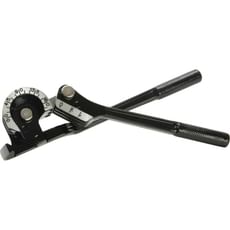
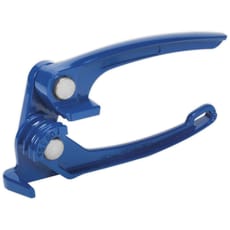
Pipe bending tools are essential equipment for creating accurate, professional bends in metal and plastic pipes without crimping, kinking or collapsing the tube walls. Whether working with copper, steel, aluminium or plastic piping, the right pipe bending tool ensures smooth, consistent curves that maintain the integrity and flow characteristics of the pipe. These tools range from simple manual hand benders for smaller diameter pipes to heavy-duty hydraulic and mechanical systems capable of handling larger industrial pipework.
The selection at Tooled-Up.com encompasses both pipe benders themselves and the various pipe bending accessories needed to achieve different bend angles, radii and applications. Manual pipe benders are ideal for on-site work where portability is crucial, whilst hydraulic models provide the additional force required for thicker-walled pipes and larger diameters. Modern pipe bending tools often feature degree markings and angle guides to ensure repeatable accuracy across multiple bends, critical for installations requiring precise alignment.
Quality pipe bending equipment saves time and material costs by eliminating the need for multiple fittings and joints. A well-executed bend provides a cleaner finish, fewer potential leak points, and improved flow characteristics compared to using elbows and couplings. From plumbers working with domestic copper pipes to mechanical engineers fabricating complex pipework systems, investing in proper bending tools delivers professional results and reduces costly remakes.
Jargon Buster
- Bend Radius: The measurement from the centre point of the curve to the centreline of the pipe. A tighter radius creates a sharper bend, whilst a larger radius produces a gentler curve. Different applications require specific minimum bend radii to prevent pipe collapse.
- Former/Die: The curved metal form or shoe around which the pipe is bent. Different formers are required for different pipe diameters, and the former's radius determines the final bend radius of your pipe.
- Spring Bender: A flexible steel coil spring inserted inside or placed outside thin-walled pipes (particularly copper) during bending to prevent kinking and maintain the circular cross-section through the bend.
- Back Former: The support block or guide that holds the pipe against the forming die during the bending process, preventing the pipe from flattening or distorting under pressure.
- Hydraulic Bender: A pipe bending tool that uses hydraulic pressure to generate the force needed to bend pipes, allowing operators to work with larger diameters and thicker-walled materials with significantly less manual effort.
- Degree Indicator: Graduated markings on the bending tool that show the angle of bend being created, typically ranging from 0° to 90° or more, enabling accurate and repeatable bends to specification.
Who Uses Pipe Bending Tools?
- Plumbers and Heating Engineers: Bending copper pipe for central heating systems, domestic water supplies, and bathroom installations
- Gas Fitters: Creating precise bends in gas pipework whilst maintaining safety standards and avoiding weak points
- Air Conditioning and Refrigeration Technicians: Forming refrigerant lines and condensate pipes with accurate angles
- Automotive and Motorsport Fabricators: Bending exhaust pipes, brake lines, fuel lines and roll cage tubing
- Electrical Contractors: Forming conduit runs for cable management in commercial and industrial installations
- Mechanical Engineers and Maintenance Fitters: Fabricating hydraulic and pneumatic pipework in industrial settings
- Construction Site Workers: Installing drainage systems, scaffolding tubes and temporary pipework
- DIY Enthusiasts: Home improvement projects involving bathroom refits, garden irrigation and workshop installations
How to Choose the Right Pipe Bending Tools
Pipe Material and Diameter: First establish what materials you'll be working with most frequently. Copper, steel, stainless steel, aluminium and plastic pipes each have different bending characteristics. Check the maximum and minimum pipe diameters the tool can accommodate – common sizes range from 6mm to 42mm for manual benders, with larger hydraulic models handling pipes up to 100mm or more.
Manual vs Hydraulic Operation: Manual pipe benders are portable, require no power source, and are ideal for smaller diameter pipes and occasional use. Hydraulic benders, available from Tooled-Up, provide superior force for bending thicker-walled pipes, larger diameters, and high-volume work, significantly reducing operator fatigue during repetitive tasks.
Bending Capacity and Angle Range: Consider the maximum bend angle you require – most tools handle 90° bends, but some applications need tighter or more obtuse angles. Check the minimum bend radius the tool produces, as tighter bends may cause pipe collapse if the tool isn't designed for your specific material and wall thickness.
Accuracy and Repeatability: Look for tools with clear degree markings, adjustable stops, and angle indicators if you're creating multiple identical bends. Quick-release mechanisms and interchangeable formers speed up workflow when working with various pipe sizes on the same project.
Portability Requirements: Site-based tradespeople need compact, lightweight tools that fit in a van or toolbox. Workshop-based users can opt for larger bench-mounted or floor-standing models that offer greater capacity and stability. Battery-powered hydraulic benders provide an excellent middle ground for mobile professionals requiring hydraulic power without mains electricity.
Popular Accessories
- Former Sets and Dies: Additional bending formers for different pipe diameters, allowing one tool to handle multiple sizes
- Pipe Bending Springs: Internal and external springs for supporting thin-walled copper and plastic pipes during hand bending
- Replacement Rollers and Guides: Wear components that maintain smooth operation and prevent pipe damage
- Hydraulic Pump Units: Separate or replacement pumps for hydraulic bending systems
- Pipe Deburring Tools: For cleaning cut edges before bending to prevent internal damage
- Pipe Cutters: Precision cutting tools ensuring square, clean cuts for accurate bends
- Storage Cases: Protective carry cases keeping tools and formers organised and protected during transport
- Angle Finders and Protractors: Measuring tools for verifying bend angles meet specifications
Safety Information
Personal Protective Equipment: Always wear safety glasses or goggles when operating pipe bending tools, as the bending process can generate metal fragments or cause sudden pipe movement. Heavy-duty work gloves protect hands from sharp pipe edges and pinch points, whilst steel toe-capped boots guard against dropped pipes or tools.
Manual Handling: Pipe bending tools and the pipes themselves can be heavy and awkward. Follow proper manual handling techniques and use mechanical assistance or a colleague for larger pipes. Be aware of the forces involved – manual benders require significant leverage, so maintain stable footing and use controlled movements to prevent strain injuries.
Hydraulic System Safety: When using hydraulic pipe benders, ensure all connections are secure before applying pressure. Never exceed the rated capacity of the tool, and release hydraulic pressure gradually after completing each bend. Check hydraulic fluid levels regularly and inspect hoses for wear or damage before each use.
Pipe Contents: Verify that pipes are empty and depressurised before bending. Never attempt to bend pipes containing fluids or gases, as this can cause ruptures or dangerous releases. When working on existing installations, isolate and drain pipework according to HSE guidance and relevant regulations.
Frequently Asked Questions
Can I bend copper pipe without a proper bending tool?
Whilst thin-walled copper pipe can be carefully bent by hand using a bending spring, a proper pipe bending tool produces far more consistent, professional results. Hand bending often leads to kinks, flattening and irregular curves that compromise flow and appearance. For pipe diameters above 15mm or for any professional installation, a dedicated bending tool is essential for achieving reliable, code-compliant results.
What's the difference between internal and external pipe bending springs?
Internal springs are inserted inside the pipe before bending and are ideal for tighter radii and smaller diameter pipes. They're retrieved after bending by twisting to reduce the diameter. External springs fit over the outside of the pipe and are easier to remove but generally suited to gentler bends. Internal springs provide better support against collapse but require the pipe end to be accessible.
How do I prevent pipes from collapsing or kinking during bending?
Use the correct size former for your pipe diameter, ensuring the bend radius isn't too tight for the pipe's wall thickness. Apply steady, even pressure rather than forcing the bend quickly. For thin-walled pipes, use bending springs or fill the pipe with sand to support the walls. Annealing copper pipes by heating them can make bending easier, though this requires additional care and may not be suitable for all applications.
What pipe materials can be bent with standard bending tools?
Most pipe bending tools handle copper, aluminium, mild steel and various plastic pipes including PVC and polyethylene. Stainless steel requires more force and may need hydraulic equipment. Each material has different characteristics – copper is relatively easy to bend cold, whilst steel often requires greater force or heat. Always check the tool manufacturer's specifications for compatible materials and maximum wall thicknesses.
Do I need different tools for metric and imperial pipes?
Yes, formers and dies are sized specifically for either metric or imperial pipe diameters, as even small differences affect the bend quality. UK plumbers typically work with metric copper pipes (15mm, 22mm, 28mm), so ensure your bending tools and accessories match the pipe standards you use most frequently. Some professional sets include both metric and imperial formers for versatility across different projects.