

Pipe Cutters
Pay in 3 interest-free payments on purchases from £30-2000 with  . Learn more.
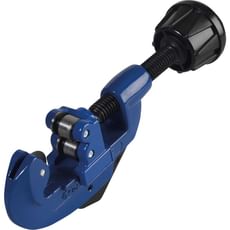
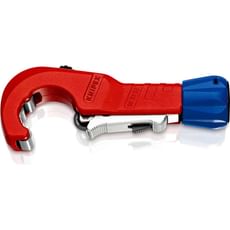
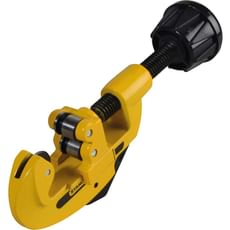
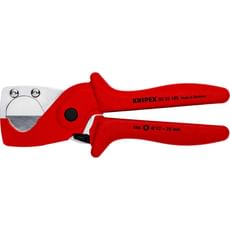
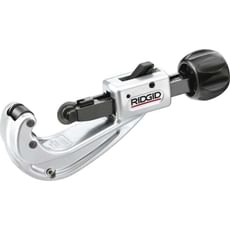
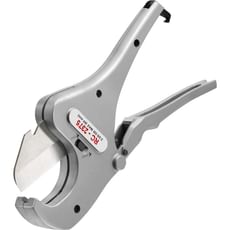
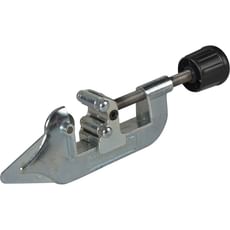
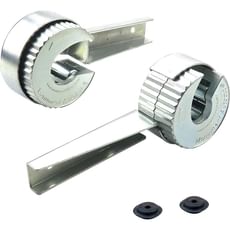
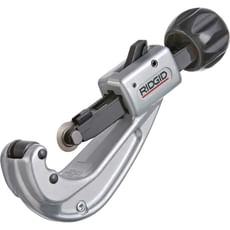
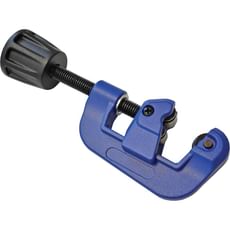
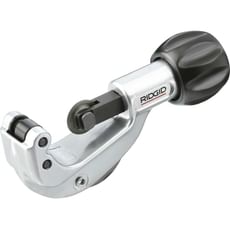
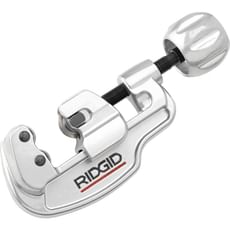
 Loading...
End of content
Error - No more pages to load
About Pipe Cutters
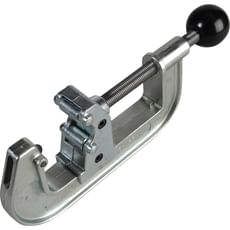
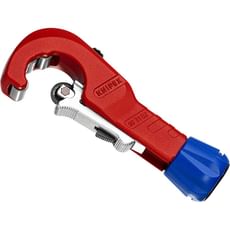
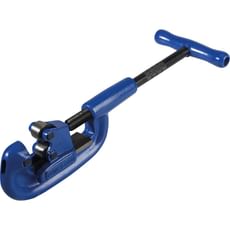
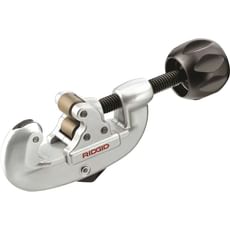
Pipe cutters are essential hand tools designed to deliver clean, precise cuts through various types of tubing and pipework. Unlike hacksaws or angle grinders that can leave rough, uneven edges requiring extensive deburring, a quality pipe cutter creates smooth, square cuts that are ready for fitting joints and connections immediately. Available in manual, automatic, and ratcheting designs, these tools cater to different pipe materials including copper, steel, aluminium, brass, plastic, and PVC.
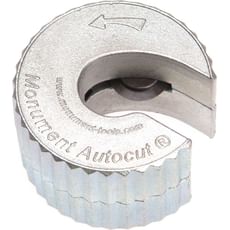
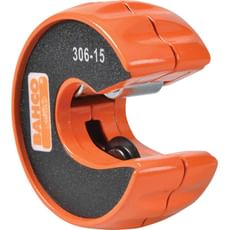
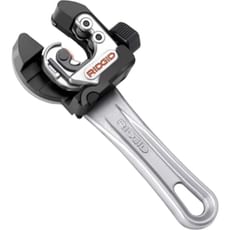
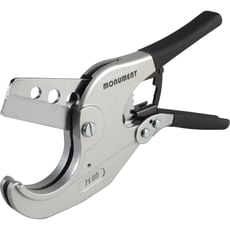
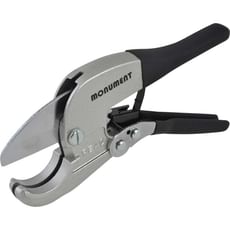
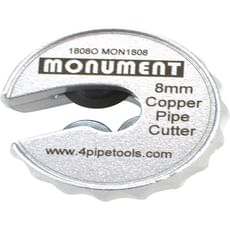
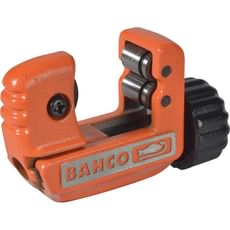
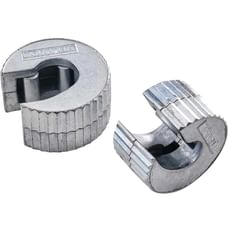
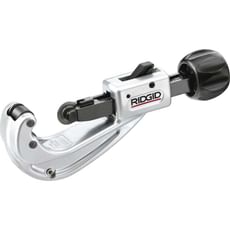
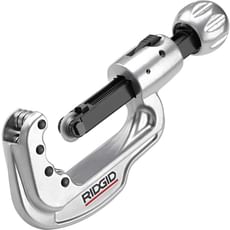
The range available at Tooled-Up.com includes everything from compact pipe slices perfect for tight spaces to heavy-duty ratchet cutters capable of handling larger diameter tubes. Automatic pipe cutters feature self-feeding mechanisms that progressively tighten around the pipe with each rotation, eliminating the need for constant adjustment. Ratchet-action models provide increased cutting force with less effort, making them ideal for thicker-walled pipes or working in confined areas where full rotations aren't possible.
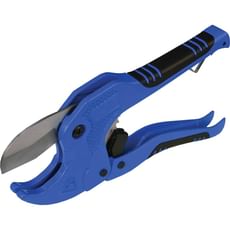
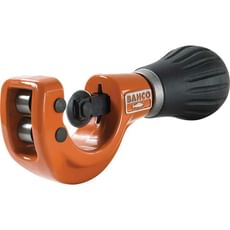
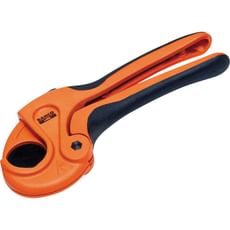
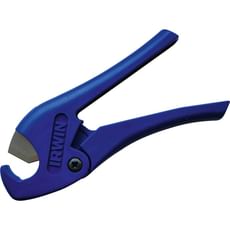
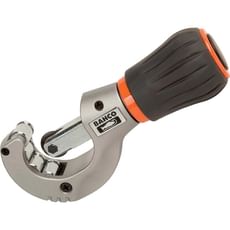
Professional-grade pipe cutters from trusted brands such as Bahco, Monument, Knipex, and Ridgid feature hardened steel cutting wheels, robust cast aluminium or zinc alloy bodies, and ergonomic handles with TPE grips for comfortable extended use. Specialist versions include plastic tube cutters with scissor-action blades for clean cuts through waste pipes and conduit, as well as heavy-duty models capable of cutting through stainless steel tubing used in commercial plumbing installations.
Jargon Buster
- Cutting Wheel: The hardened steel disc that scores and cuts through the pipe wall. Replaceable wheels maintain cutting performance over time and can be swapped for different materials.
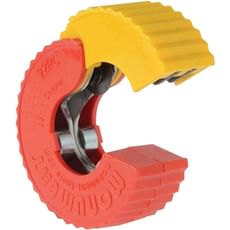
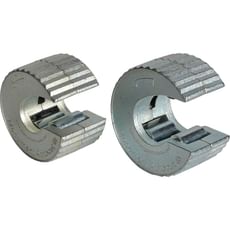
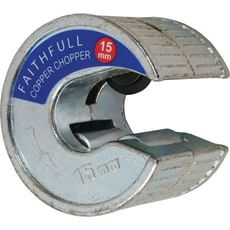
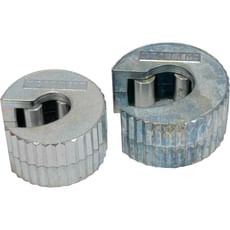
- Pipe Slice: A compact, spring-loaded automatic pipe cutter that self-feeds as you rotate it around the tube. Particularly useful in tight spaces where conventional cutters won't fit.
- Ratchet Action: A mechanism that allows incremental tightening without requiring full handle movement, providing greater cutting force and enabling work in restricted areas.
- Capacity Range: The minimum and maximum pipe diameters a cutter can accommodate, typically expressed in millimetres (e.g., 3-35mm). Always select a cutter whose range matches your most common pipe sizes.
- Deburring Tool: A pointed reamer or blade integrated into many pipe cutters that removes internal burrs and sharp edges left after cutting, ensuring smooth water flow and proper joint seating.
- Guide Rollers: Adjustable support wheels that keep the cutter stable and square to the pipe during cutting, ensuring perpendicular cuts essential for leak-free joints.
Who Uses Pipe Cutters?
- Plumbers and Heating Engineers: Daily use cutting copper, steel, and plastic pipes for central heating systems, water supply installations, and bathroom refits
- Gas Fitters: Precision cutting of copper and steel gas pipes where clean, square cuts are critical for safe compression and threaded joints
- HVAC Technicians: Installing and maintaining air conditioning refrigerant lines, requiring clean cuts to prevent contamination and ensure proper brazing
- Maintenance Engineers: Facility maintenance teams repairing and modifying pipework in commercial buildings, factories, and industrial settings
- Sprinkler Fitters: Installing fire suppression systems using steel pipes that demand precise, square cuts for threaded connections
- DIY Enthusiasts: Home improvers tackling kitchen and bathroom installations, radiator replacements, and garden watering systems
- Electricians: Cutting plastic conduit for cable management in commercial and domestic electrical installations
How to Choose the Right Pipe Cutters
Material Compatibility: Match the cutter to your most common pipe materials. Standard cutters handle copper, brass, and aluminium tubing, whilst heavy-duty models with reinforced cutting wheels tackle steel and stainless steel. Plastic-specific cutters use sharp blades rather than wheels to prevent crushing or deformation of PVC and ABS pipes.
Capacity and Size: Consider the diameter range you typically work with. Tradespeople working primarily with domestic plumbing often choose cutters in the 3-35mm range, whilst larger 50mm+ capacity models suit commercial installations. Tooled-Up stocks compact pipe slices for 15mm and 22mm copper pipes commonly found in UK domestic properties.
Cutting Mechanism: Standard cutters require manual tightening between rotations, offering precise control. Automatic pipe slices self-feed for quicker cutting with less adjustment. Ratchet cutters provide maximum leverage in confined spaces where full rotations aren't possible, such as cutting pipes close to walls or joists.
Build Quality and Durability: Professional-grade cutters feature cast aluminium or zinc alloy bodies that withstand site work demands, whilst budget models often use pressed steel. Look for replaceable cutting wheels to extend tool life, and models with integrated deburring tools to save carrying separate reamers.
Ergonomics: For regular use, comfortable TPE-covered handles reduce hand fatigue, whilst quick-adjust knobs speed up diameter changes between cuts. Compact designs prove invaluable when working under sinks, behind radiators, or in ceiling voids.
Popular Accessories
- Replacement Cutting Wheels: Keep spare wheels for different materials and to maintain cutting performance as wheels wear
- Deburring Tools: Standalone reamers for removing internal and external burrs on pipes without integrated deburring features
- Pipe Benders: Form neat bends in copper pipe without fittings, reducing joint count and potential leak points
- Pipe Slices: Additional compact cutters in different size ranges for varied pipe diameters on larger jobs
- Tube Brushes: Clean pipe ends before soldering or fitting compression joints for reliable, leak-free connections
- Pipe Grips and Clamps: Secure pipes during cutting to prevent rotation and ensure accurate, square cuts
- Tool Storage Solutions: Organiser cases and pouches to protect cutters and keep replacement wheels accessible on site
Safety Information
Personal Protective Equipment: Always wear safety glasses when cutting pipes, as metal fragments and cutting wheel particles can cause eye injuries. Gloves protect hands from sharp cut edges and prevent cuts when handling freshly cut tubing.
Pipe Condition: Inspect pipes before cutting, particularly when working on existing installations. Ensure water and heating systems are drained and depressurised. Be aware that older lead pipes require specialist handling procedures due to health hazards associated with lead dust.
Cutting Technique: Maintain steady, even pressure whilst rotating the cutter around the pipe. Excessive force can damage the cutting wheel or deform thinner-walled pipes. Always ensure the pipe is properly supported to prevent movement during cutting, which can result in angled cuts or tool slippage.
Tool Maintenance: Keep cutting wheels clean and free from debris. Replace worn or chipped wheels immediately, as damaged wheels require excessive force and can slip, potentially causing injury. Apply a drop of light oil to adjustment threads and moving parts to ensure smooth operation.
Frequently Asked Questions
Can I use the same pipe cutter for copper and plastic pipes?
Whilst some cutters handle both materials, plastic pipes are best cut with dedicated plastic tube cutters that use sharp blades rather than wheels. Standard wheel-type cutters can crush or deform plastic pipes, particularly PVC waste pipes. For tradespeople working with mixed materials, investing in separate cutters ensures optimal results for each pipe type.
How do I know when to replace the cutting wheel?
Replace cutting wheels when they require excessive pressure to cut, leave rough edges, or show visible chips and flat spots. A sharp wheel should cut cleanly with moderate pressure and minimal rotation. Professional plumbers typically replace wheels every few months depending on usage intensity and pipe materials being cut.
Why are my cuts not square to the pipe?
Non-square cuts usually result from uneven pressure during rotation or worn guide rollers. Ensure the cutter is properly tightened before starting and maintain consistent pressure throughout each rotation. Check that guide rollers move freely and aren't worn, as damaged rollers allow the cutter to wander off-square during cutting.
What size pipe cutter do I need for standard UK domestic plumbing?
Most domestic plumbing uses 15mm and 22mm copper pipe, so a cutter with an 8-35mm capacity covers virtually all residential applications including central heating pipes, hot and cold water supplies, and most radiator connections. For occasional larger pipes, a 10-54mm capacity model handles kitchen waste pipes and larger distribution pipes.
Can automatic pipe cutters cut through steel pipes?
Quality automatic cutters from brands like Bahco and Monument can cut steel pipes, but check the manufacturer's specifications. Steel requires more pressure and rotation than copper, so ensure your automatic cutter is rated for steel. Heavy-walled steel pipes may require a ratchet cutter or heavy-duty model with reinforced cutting wheels designed specifically for ferrous metals.