

Pipe Cutting Accessories & Spares
Pay in 3 interest-free payments on purchases from £30-2000 with  . Learn more.
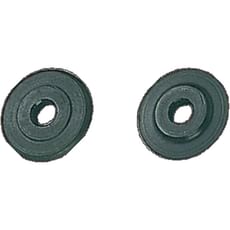
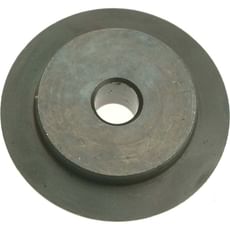
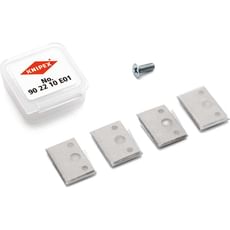
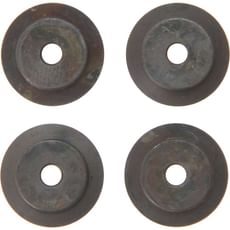
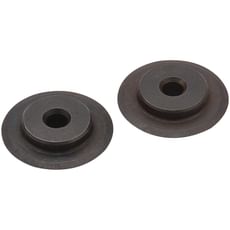
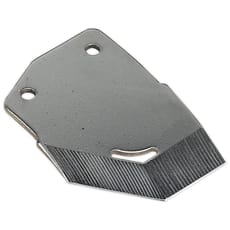
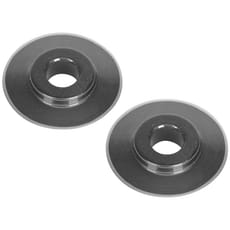
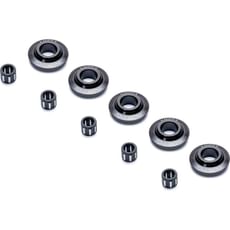
 Loading...
End of content
Error - No more pages to load
About Pipe Cutting Accessories & Spares
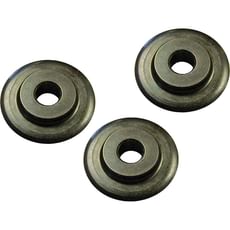
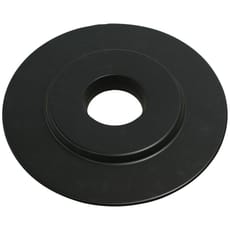
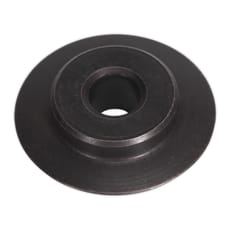
Pipe cutting accessories and spares are essential items for maintaining the performance and longevity of pipe cutting tools. When cutting wheels become worn, blades lose their sharpness, or handles need replacement, having access to quality spare parts ensures tradespeople can continue working without costly downtime or the need to purchase entirely new tools. This category encompasses replacement cutting wheels, spare blades, ratchet handles, and other components designed to restore pipe cutters to optimal working condition.
The range available from Tooled-Up.com includes spares compatible with manual pipe cutters, ratchet-action models, and specialised tubing cutters for various materials including copper, plastic, and brake pipe. Replacement wheels are typically sold individually or in packs of two, manufactured from hardened steel or tungsten carbide to provide clean, burr-free cuts through pipes ranging from 15mm to over 100mm in diameter. Different wheel profiles suit different pipe materials, with specific designs for copper, stainless steel, cast iron, and plastic applications.
Regular replacement of worn cutting components is crucial for achieving professional results and maintaining workplace safety. A dull cutting wheel requires excessive force, can slip during operation, and produces rough, uneven cuts that may require additional finishing work. By keeping essential spares on hand, plumbers, heating engineers, and maintenance professionals can quickly swap out worn components and maintain consistent cutting quality across all projects.
Jargon Buster
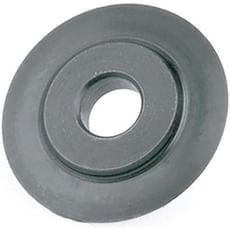
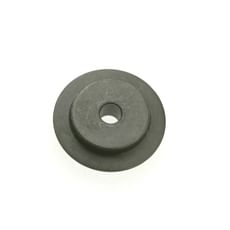
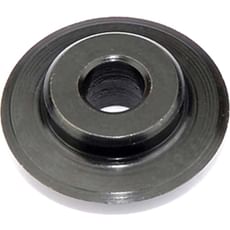
- Cutting Wheel: The circular hardened steel disc that performs the actual cutting action on pipe cutters. These wheels gradually wear with use and need periodic replacement to maintain cutting efficiency.
- Ratchet Handle: A handle mechanism that uses a ratcheting action to incrementally tighten the cutting wheel around the pipe, allowing cuts to be made in confined spaces where a full rotation isn't possible.
- Pipeslice: A trade term for a specific type of pipe cutter that uses a slicing action rather than compression, particularly popular for Monument tools. Replacement wheels for these tools are specifically designed for this cutting method.
- Tungsten Carbide Wheel: A premium cutting wheel material offering superior hardness and wear resistance compared to standard steel wheels, ideal for cutting stainless steel or cast iron pipes.
- Tube Cutter Wheel Profile: The specific shape and angle ground into a cutting wheel, optimised for different pipe materials and wall thicknesses. Using the correct profile ensures clean cuts without deformation.
- Blade Keeper: The retaining mechanism that secures replaceable blades in plastic pipe cutters, allowing quick blade changes without requiring tools.
Who Uses Pipe Cutting Accessories & Spares?
- Plumbers and Heating Engineers: Regular users of pipe cutters who require replacement wheels for copper, plastic, and multilayer pipework
- Gas Fitters: Professionals cutting steel and copper gas pipes who need durable replacement components
- Maintenance Engineers: Site-based technicians maintaining HVAC systems, industrial pipework, and building services
- Motor Vehicle Technicians: Mechanics requiring brake pipe cutter wheels for automotive repair work
- Air Conditioning Installers: Specialists cutting refrigeration-grade copper tubing who demand precision replacement wheels
- DIY Enthusiasts: Home improvers undertaking bathroom, kitchen, or central heating projects who need to maintain their pipe cutting tools
- Construction Site Workers: Tradespeople installing first-fix plumbing and heating systems on new builds
- Property Maintenance Teams: Council workers and facilities managers carrying out repairs across multiple properties
How to Choose the Right Pipe Cutting Accessories & Spares
Selecting the correct replacement part begins with identifying your specific pipe cutter model. Check the manufacturer name and model number stamped on your tool, as cutting wheels and blades are typically designed for specific models or ranges. Brands like Bahco, Monument, Draper, and Knipex each have proprietary fitting systems, so cross-brand compatibility is rare.
Consider the pipe material you predominantly work with when choosing replacement wheels. Standard hardened steel wheels suit copper, brass, and aluminium pipes up to medium wall thickness. For stainless steel, cast iron, or thick-walled pipes, tungsten carbide wheels offer superior cutting performance and extended service life, despite the higher initial cost. Tooled-Up stocks wheels from leading manufacturers including Faithfull, Sealey, and Monument, each optimised for different applications.
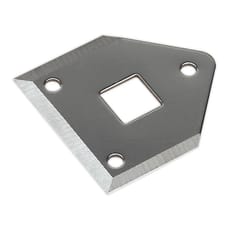
For plastic pipe cutters, replacement blades require different considerations. These specialist cutters use sharp, scissor-action blades rather than compression wheels. Check whether your model requires single blades or blade sets, and verify the blade profile matches your cutter design. Knipex replacement blades for their Bix and TubiX ranges, for example, are precision-ground to specific angles for clean cuts through MDPE, polybutylene, and PVC pipework.
Purchase frequency should influence your buying decisions. Professional tradespeople cutting pipes daily may benefit from buying wheels in multi-packs or keeping a range of spare wheels for different pipe sizes. Occasional users can purchase individual replacement wheels as needed. Consider the cost-per-cut calculation: premium wheels may cost more initially but deliver significantly more cuts before requiring replacement.
Popular Accessories
- Pipe Cutter Tool Cases: Protective storage for pipe cutters and spare wheels during transport between jobs
- Deburring Tools: Essential for removing internal and external burrs after cutting, ensuring clean pipe ends for fitting connections
- Pipe Cleaning Brushes: For preparing copper pipe surfaces before soldering or compression fitting installation
- Pipe Reaming Tools: Specialised reamers for opening up slightly compressed pipe ends after cutting
- Cutting Lubricant: Specialist cutting fluid that extends wheel life and improves cut quality, particularly on stainless steel
- Junior Hacksaw Blades: Alternative cutting solution for accessing very tight spaces where pipe cutters cannot fit
- Imperial to Metric Conversion Charts: Useful reference material when working with older pipework measured in imperial dimensions
- Tube Benders: Complementary tools often used alongside pipe cutters in plumbing and heating installations
Safety Information
Always ensure cutting wheels and blades are correctly installed according to manufacturer instructions before use. Loose or improperly fitted components can detach during operation, potentially causing injury or damaging the workpiece. Check that retaining pins, screws, or clips are fully engaged and secure.
Worn cutting wheels require excessive force to cut through pipes, increasing the risk of the tool slipping and causing hand injuries. Replace wheels at the first signs of significant wear, flattening, or chipping. Never attempt to cut pipes with damaged or cracked wheels, as these may shatter under pressure.
When replacing blades on plastic pipe cutters, handle the sharp edges carefully to avoid cuts. Store spare blades in their protective packaging until needed. Dispose of worn blades responsibly, wrapping them securely before placing in appropriate waste containers.
Wear appropriate PPE including safety glasses when cutting pipes, as small metal fragments can be ejected during the cutting process. Gloves provide protection against sharp pipe edges and hot surfaces when cutting recently soldered pipework. Ensure adequate ventilation when cutting plastic pipes, as friction can generate fumes.
Frequently Asked Questions
How often should I replace cutting wheels on my pipe cutter?
Replacement frequency depends on usage intensity and pipe materials. Professional plumbers cutting copper pipes daily may need new wheels every few weeks, whilst occasional DIY users might achieve years of service. Replace wheels when you notice increased cutting effort, rough cut edges, or visible flattening of the wheel profile. As a general rule, if you're applying significantly more pressure than when the wheel was new, it's time for replacement.
Are cutting wheels interchangeable between different pipe cutter brands?
Generally no—most manufacturers design replacement wheels specific to their own tool ranges. Bahco wheels fit Bahco cutters, Monument wheels fit Monument models, and so forth. The mounting pin diameter, wheel thickness, and profile vary between brands. Always check your tool's model number and purchase the corresponding manufacturer's replacement wheel to ensure proper fit and performance.
Can I sharpen pipe cutter wheels instead of replacing them?
Whilst technically possible, sharpening cutting wheels is not recommended for several reasons. The hardened steel or tungsten carbide material requires specialist grinding equipment to maintain the precise profile angle. Incorrect sharpening can weaken the wheel structure or create an uneven cutting edge that damages pipes. Given the relatively low cost of replacement wheels compared to the labour and equipment required for proper sharpening, replacement is the more practical and professional solution.
What's the difference between standard and tungsten carbide cutting wheels?
Standard hardened steel wheels suit most everyday applications including copper, brass, aluminium, and thin-walled steel pipes. Tungsten carbide wheels offer superior hardness and wear resistance, making them ideal for cutting stainless steel, cast iron, and thick-walled pipes. Whilst carbide wheels cost approximately two to three times more than standard wheels, they typically last five to ten times longer when cutting hard materials, representing better value for demanding applications.
Do I need different replacement wheels for different pipe sizes?
Most adjustable pipe cutters use the same replacement wheel across their entire size range—a 15mm copper cutter and a 22mm model from the same manufacturer typically share identical wheels. However, very large pipe cutters (typically 67mm diameter and above) may require different wheel specifications due to the increased cutting forces involved. Check your tool's specifications or the product packaging to confirm compatibility across your range of pipe cutter sizes.