

Pipe Joiners
Pay in 3 interest-free payments on purchases from £30-2000 with  . Learn more.
 Loading...
End of content
Error - No more pages to load
About Pipe Joiners
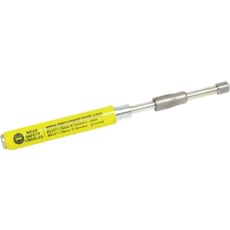
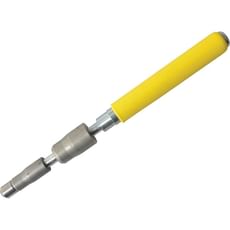
Pipe joiners, also known as socket forming tools or swaging tools, are specialist hand tools designed to join two pieces of copper pipe of equal diameter together without the need for separate fittings. By forming a socket or enlarged end on one pipe, these tools allow it to accept the other pipe directly, creating a secure connection that can then be soldered to form a permanent, leak-free joint. This method is particularly valued in tight spaces where traditional compression or push-fit fittings would be impractical, and it provides a cleaner, more professional finish with fewer components.
The pipe joiners available at Tooled-Up.com are precision-engineered tools that typically feature hardened steel formers and robust construction to withstand repeated professional use. Most models incorporate a loose former design that allows for easier withdrawal after forming the socket, preventing damage to the newly created joint. These tools are suitable for creating capillary joints in copper pipe that can be finished with either soft or hard soldering techniques, making them versatile additions to any plumber's toolkit.
Common sizes available include 15mm, 22mm, and 28mm variants, with some combination tools offering dual-size capability for 15mm and 22mm pipes. The tools work with standard wall thickness copper pipe (typically 0.7mm for 15mm and 0.9mm for 22mm), ensuring compatibility with pipes used throughout domestic and light commercial plumbing installations across the UK.
Jargon Buster
- Socket Forming: The process of expanding the end of a copper pipe to create a female socket that can accept another pipe of the same diameter, forming the basis for a soldered joint.
- Swaging: Another term for socket forming, referring to the metalworking technique of shaping metal by forcing it into a die or former.
- Capillary Joint: A type of soldered pipe joint where solder is drawn into the gap between pipes by capillary action, creating a strong, permanent, watertight seal.
- Loose Former: A removable forming component within the tool that can be easily withdrawn after creating the socket, preventing tool seizure and protecting the newly formed joint.
- Hard Soldering: A soldering technique using high-temperature solder (typically silver solder) that creates extremely strong joints suitable for higher pressure applications.
- Soft Soldering: The more common soldering method using lower-temperature tin-based solder, suitable for most domestic plumbing installations and easier to execute on site.
Who Uses Pipe Joiners?
Pipe joiners are essential tools for various professionals and enthusiasts working with copper pipework:
- Plumbers and heating engineers working on domestic and commercial installations
- Gas fitters creating permanent joints in copper gas pipework
- Maintenance technicians in commercial and industrial facilities
- Refrigeration and air conditioning specialists working with copper refrigerant lines
- Bathroom and kitchen fitters installing sanitaryware and appliances
- Property maintenance contractors carrying out repair and renovation work
- Experienced DIY enthusiasts undertaking plumbing projects in their own properties
- Plumbing apprentices and trainees learning traditional jointing techniques
How to Choose the Right Pipe Joiners
Selecting the appropriate pipe joiner depends on several practical considerations:
Pipe Diameter: Match the tool to the pipe sizes you work with most frequently. Combination tools offering both 15mm and 22mm capability provide excellent value for domestic plumbers, whilst those regularly working with larger pipework may require dedicated 28mm tools.
Build Quality: Professional-grade tools from established brands like Monument feature hardened steel components that maintain accuracy through thousands of uses. Check for robust construction and comfortable handles that reduce hand fatigue during repetitive work.
Former Design: Tools with loose formers are generally preferable as they allow easier withdrawal without damaging the socket. This design also facilitates faster work and reduces the risk of tool seizure.
Wall Thickness Compatibility: Ensure the tool is rated for the pipe wall thickness you'll be working with. Standard domestic copper pipe typically measures 0.7mm (15mm) and 0.9mm (22mm), but some applications may require different specifications.
Frequency of Use: For occasional use, a basic single-size tool may suffice, but professional tradespeople benefit from investing in higher-quality tools or multi-size options. The range at Tooled-Up includes both economy and professional-grade options to suit different requirements and budgets.
Popular Accessories
To complete pipe jointing work effectively, consider these complementary products:
- Soldering Equipment: Blow torches, propane or MAP gas cylinders, and heat-resistant mats
- Solder: Lead-free solder wire and flux paste for creating watertight joints
- Pipe Cutters: Rotary pipe cutters for clean, square cuts essential for proper joint formation
- Deburring Tools: For removing internal and external burrs after cutting
- Wire Wool or Abrasive Paper: For cleaning pipe ends before soldering
- Flux Brushes: For applying flux to joints before soldering
- Heat-Resistant Gloves: Essential PPE when working with soldering equipment
- Pipe Bending Springs: For forming bends without kinking the pipe
Safety Information
Whilst pipe joiners themselves are relatively safe hand tools, the complete jointing process involves several safety considerations:
Soldering Hazards: Always work in well-ventilated areas when soldering, as flux and solder produce fumes. Use appropriate respiratory protection if working in confined spaces, and keep a fire extinguisher nearby when using blowtorches.
Hot Metal: Newly soldered joints remain extremely hot for several minutes. Never touch freshly soldered pipe, and use heat-resistant gloves when necessary. Be aware of flammable materials in the working area.
Sharp Edges: Freshly cut and formed pipe ends can have sharp edges. Handle with care and always deburr both internal and external edges before assembly.
Tool Maintenance: Keep tools clean and properly maintained. Damaged or worn formers can create poor-quality joints or become stuck in the pipe.
Frequently Asked Questions
Can I use pipe joiners on pipes that are already installed?
Socket forming tools work best on loose pipe sections. Whilst it's technically possible to form sockets on installed pipe if there's sufficient access and the pipe can rotate freely, this is challenging and often impractical. Most professionals cut out the damaged section and form sockets on the bench before installation.
What's the advantage of socket forming over compression fittings?
Socket-formed joints create a neater, more compact connection with fewer components, making them ideal for tight spaces. They're also generally more reliable long-term as there are no rubber washers to perish, and they can handle higher temperatures. However, they require more skill and cannot be easily disconnected for future maintenance.
Do I need different tools for different pipe wall thicknesses?
Yes, pipe joiners are designed for specific wall thicknesses. Using a tool rated for thinner pipe on thicker material may not create a proper socket, whilst using one designed for thicker pipe on thin material risks splitting. Always check the tool specifications match your pipe.
How long does a socket-formed joint take to create?
Once you've developed the technique, forming a socket takes only 30-60 seconds. The complete joint including cutting, deburring, cleaning, forming, fluxing and soldering typically takes 3-5 minutes per joint for an experienced tradesperson.
Can socket-formed joints be used for gas pipework?
Yes, properly formed and hard-soldered joints are approved for gas installations and are commonly used by Gas Safe registered engineers. However, all gas work must comply with current Gas Safety regulations and be carried out only by competent, registered professionals.