

Pipe Preparers
Pay in 3 interest-free payments on purchases from £30-2000 with  . Learn more.
 Loading...
End of content
Error - No more pages to load
About Pipe Preparers
Pipe preparers are essential hand tools used by plumbing and heating professionals to finish cut pipe ends to a professional standard. After cutting copper, plastic, steel or aluminium pipes, the cut edge invariably leaves sharp burrs, rough edges and internal debris that can impede water flow, cause leaks, or damage fittings during installation. Pipe preparers remove these imperfections quickly and efficiently, creating smooth internal and external surfaces ready for jointing, soldering or compression fitting assembly.
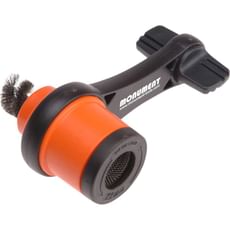
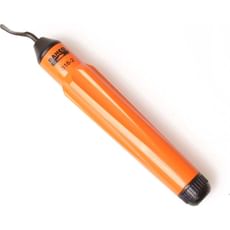
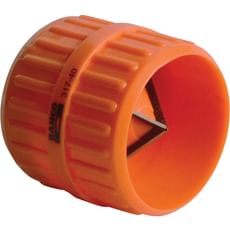
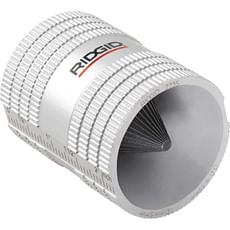
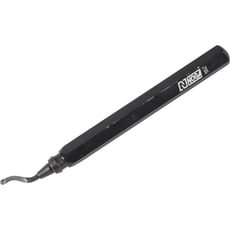
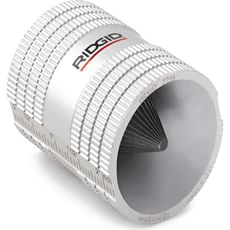
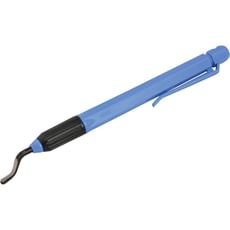
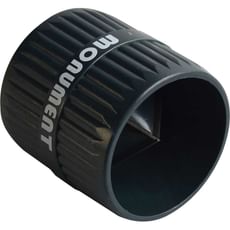
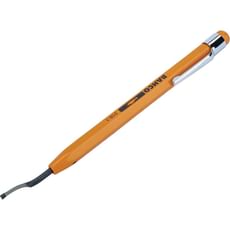
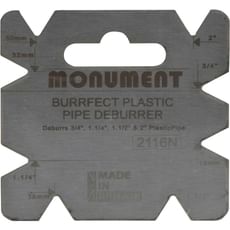
The range available from Tooled-Up.com includes several specialist tool types: pen reamers with HSS blades for precision internal deburring, wheel reamers with rotating cutting heads for larger diameter pipes, combination tools that tackle both internal and external edges simultaneously, and specialist accessories like the Copperkey for cleaning oxidation from copper pipes before soldering. Leading brands such as Monument, Ridgid and Bahco manufacture these tools to withstand the rigours of daily professional use on site.
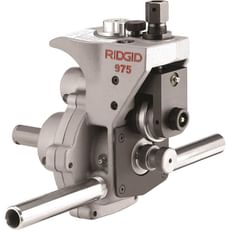
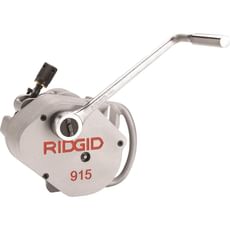
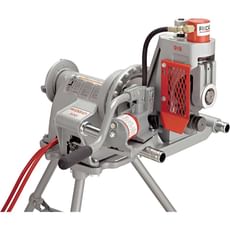
Beyond basic deburring, this category also encompasses roll groovers for creating mechanical grooves in pipes for specialist joining systems, and pipe cleaning tools that prepare surfaces for optimal solder adhesion or push-fit connection performance. Whether working with 15mm domestic copper pipe or larger commercial installations, proper pipe preparation is fundamental to achieving leak-free, long-lasting plumbing systems that meet current regulations and professional standards.
Jargon Buster
- Deburring: The process of removing rough edges, raised material and internal swarf left on a pipe after cutting. Essential for preventing damage to O-rings, compression olives and push-fit seals.
- Reamer: A rotating or fixed cutting tool designed to enlarge or finish pipe bore diameters whilst removing internal burrs. Available in pen-style, wheel-style and spiral configurations.
- HSS Blade: High-Speed Steel cutting edges that maintain sharpness through repeated use on various pipe materials including copper, plastic and ferrous metals. Many reamers feature replaceable HSS blades for extended tool life.
- Roll Groover: A specialist pipe preparer that creates circumferential grooves in pipe ends for use with mechanical grooved coupling systems, commonly used in commercial installations.
- Internal/External Deburring: Combination tools that simultaneously clean both the inside bore and outside diameter of a cut pipe end in a single operation, saving time on repetitive tasks.
- Swarf: The small metal or plastic chips and filings produced during pipe cutting or drilling operations. If not removed, swarf can cause blockages, noise in heating systems, or premature valve failure.
Who Uses Pipe Preparers?
- Plumbers and Heating Engineers: Daily users who require reliable deburring tools for copper, plastic and steel pipe installations in domestic and commercial settings.
- Gas Fitters: Professionals working with steel and copper gas pipes where perfect edge preparation is critical for safety-certified installations.
- Maintenance Technicians: Site-based and facilities management staff carrying out repairs and modifications to existing pipework systems.
- Sprinkler Fitters: Commercial fire protection installers working with grooved pipe systems requiring specialist roll grooving tools.
- HVAC Installers: Air conditioning and refrigeration engineers preparing copper pipework for brazed connections in climate control systems.
- DIY Enthusiasts: Competent home improvers undertaking bathroom, kitchen or central heating projects requiring professional-standard pipe preparation.
- Apprentices and Training Colleges: Students learning proper pipework techniques and the importance of correct preparation before jointing.
How to Choose the Right Pipe Preparers
Pipe Material Compatibility: Select tools rated for your specific pipe materials. Whilst many reamers handle copper, plastic and aluminium, ferrous metal pipes may require more robust HSS blades. Check manufacturer specifications before purchase to ensure compatibility with your typical workload.
Pipe Diameter Range: Different tools accommodate different pipe sizes. Pen reamers typically suit pipes from 6mm to 35mm, whilst wheel reamers may handle larger diameters up to 40mm or beyond. Consider the pipe sizes you work with most frequently, or choose adjustable tools for greater versatility across multiple applications.
Internal, External or Combination: Basic pen reamers primarily address internal burrs, whilst combination tools tackle both internal and external edges simultaneously. For high-volume work, combination tools significantly reduce preparation time. External-only tools are useful when working with pre-reamed pipes or specific fitting requirements.
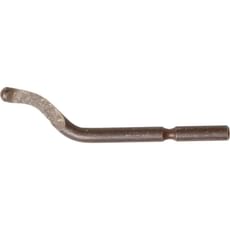
Blade Replaceability: Tools with replaceable blades offer better long-term value than fixed-blade disposable models. Tooled-Up stocks replacement blades for popular models from Bahco and other leading manufacturers, allowing you to maintain tool performance without replacing the entire unit.
Build Quality and Ergonomics: Professional-grade tools feature comfortable handles for extended use and robust construction to withstand drops and site conditions. Lightweight aluminium bodies reduce fatigue during repetitive tasks, whilst steel components ensure cutting performance longevity.
Specialist Requirements: For grooved pipe systems, roll groovers from manufacturers like Ridgid are essential. Consider whether you need detectors for quality control, and ensure compatibility with your chosen coupling system specifications.
Popular Accessories
- Replacement Reamer Blades: HSS spare blades for pen and wheel reamers, extending tool life and maintaining cutting performance.
- Pipe Cutters: Ratcheting or wheel-type cutters that create clean initial cuts requiring minimal subsequent deburring.
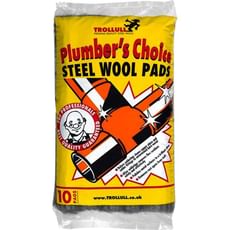
- Wire Wool and Cleaning Pads: Steel wool products for cleaning oxidation and flux residue from copper pipes before soldering.
- Pipe Cleaning Brushes: Internal brushes for removing debris from pipe bores, particularly useful in renovation work on existing systems.
- Flux and Solder: Essential materials for creating watertight brazed joints on properly prepared copper pipework.
- Pipe Bending Equipment: Hand benders and spring benders for creating neat pipe runs without additional fittings.
- Tool Bags and Storage: Organised storage solutions for transporting pipe preparation tools safely between jobs.
Safety Information
Sharp Cutting Edges: Reamer blades and deburring tools feature extremely sharp HSS edges. Always store tools with blade guards or protective covers in place, and handle with care to avoid cuts. Keep fingers clear of cutting zones during operation.
Metal Swarf Hazards: Deburring generates sharp metal fragments that can cause cuts or eye injuries. Wear appropriate safety glasses when reaming pipes, and dispose of swarf carefully in designated waste containers. Never blow swarf away with compressed air, as this creates airborne hazards.
Hand Tool Technique: Apply steady, controlled pressure when using reamers to avoid slipping and potential hand injuries. Secure pipes properly in pipe vices or suitable work-holding equipment before deburring. Never hold pipes in your hand whilst reaming, particularly with larger diameter or stubborn burrs.
Workplace Organisation: Keep pipe preparation areas clean and well-organised to prevent trips and falls. Sharp pipe offcuts and discarded burrs should be cleared regularly. Follow HSE guidance on manual handling when working with longer pipe lengths or heavier materials.
Frequently Asked Questions
Q: How often should I replace reamer blades?
A: Replace blades when you notice increased effort required for deburring, rough finished edges, or visible blade damage. With proper use, quality HSS blades should handle several hundred pipe preparations. Attempting to continue with blunt blades creates poor finishes and increases the risk of tool slippage injuries.
Q: Can the same reamer be used on both copper and plastic pipes?
A: Most quality reamers from brands like Bahco and Monument are designed for multi-material use including copper, plastic, aluminium and even thin-walled steel. However, always verify the manufacturer's specifications. Using inappropriate tools on unsuitable materials can damage both the pipe and the reamer blade.
Q: Why is proper pipe deburring so important?
A: Internal burrs can damage O-rings and seals in push-fit fittings, cause premature compression olive failure, restrict water flow, create noise in heating systems, and trap debris leading to corrosion. External burrs prevent fittings seating correctly and can cut hands during installation. Professional deburring is essential for reliable, compliant installations.
Q: What's the difference between a pen reamer and a wheel reamer?
A: Pen reamers feature a fixed or rotating conical blade resembling a writing pen, ideal for precision work on smaller pipes. Wheel reamers use a rotating disc with multiple cutting edges, typically faster for larger diameter pipes and higher volume work. Both styles are available at Tooled-Up.com to suit different working preferences and applications.
Q: Do I need different tools for preparing pipes for soldering versus compression fittings?
A: Basic deburring requirements are similar, but soldered joints benefit from additional cleaning with wire wool or specialist tools like the Monument Copperkey to remove oxidation and ensure proper flux adhesion. Compression fittings are particularly sensitive to internal burrs that might damage the olive, making thorough internal reaming essential for leak-free connections.