

Pipe Vices
Pay in 3 interest-free payments on purchases from £30-2000 with  . Learn more.
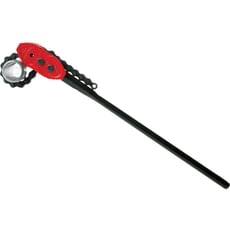
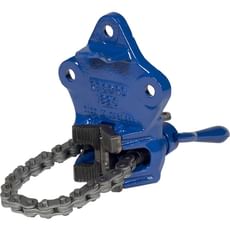
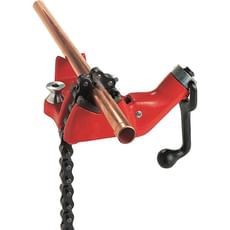
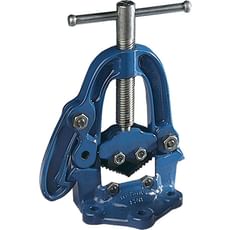

 Loading...
End of content
Error - No more pages to load
About Pipe Vices
Pipe vices are essential workshop tools designed to securely hold pipes and tubes during cutting, threading, welding, and assembly operations. Unlike standard bench vices with flat jaws, pipe vices feature specially designed clamping mechanisms that grip cylindrical workpieces safely without crushing or distorting them. The range available from Tooled-Up.com includes chain pipe vices, hinged pipe vices, yoke-style vices, and portable tripod stands, catering to both workshop-based and site work applications.
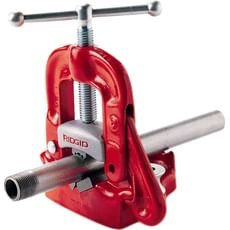
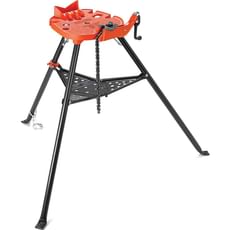
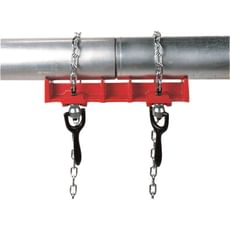
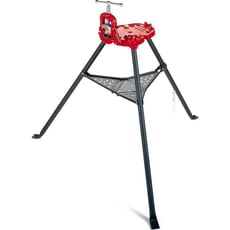
Chain pipe vices utilise a high-tensile steel chain that wraps around the pipe and locks into drop-forged jaws, creating a three-point hold that prevents rotation during machining. Bench-mounted yoke vices feature V-shaped jaws that support pipes from beneath, whilst top screw designs provide vertical clamping pressure. For site work and field installation, portable tristand models offer stability and mobility, allowing tradespeople to work on pipework in situ without requiring a fixed workbench.
Professional pipe vices from manufacturers such as Ridgid, Record, and Sealey are engineered from cast iron and heat-treated steel components, with replaceable jaws that extend the tool's working life. Capacity ranges typically span from 6mm (¼ inch) up to 100mm (4 inches) diameter, accommodating everything from domestic plumbing pipes to heavy industrial pipework. Whether threading gas pipes, preparing welding joints, or cutting copper tube, the correct pipe vice transforms challenging metalworking tasks into controlled, precise operations.
Jargon Buster
- Chain Pipe Vice: A clamping device that uses a flexible high-tensile chain to wrap around pipes of varying diameters, securing them between drop-forged jaws for a firm three-point hold without crushing.
- Yoke Vice: A pipe vice featuring V-shaped jaws that support the pipe from underneath whilst a top screw applies downward pressure, ideal for cutting and threading operations.
- Tristand: A portable three-legged stand that supports a pipe vice at a comfortable working height, essential for site work where permanent bench mounting isn't possible.
- Drop-Forged Jaws: Vice jaw components manufactured through a forging process that compresses and strengthens the metal grain structure, resulting in exceptional durability and resistance to wear.
- Pipe Capacity: The range of pipe diameters a vice can effectively grip, typically expressed as a minimum and maximum measurement in both metric (mm) and imperial (inches) units.
- Hinged Pipe Vice: A design where the upper jaw hinges open for quick pipe insertion and removal, speeding up repetitive operations compared to screw-adjusted models.
Who Uses Pipe Vices?
- Plumbers and Gas Fitters: For threading, cutting, and preparing copper, steel, and plastic pipes during installation and maintenance work
- Pipefitters and Steamfitters: Working with heavy-gauge industrial pipework requiring secure clamping for welding and assembly
- Welders and Fabricators: Holding pipes steady during tack welding and preparation for structural metalwork projects
- HVAC Engineers: Installing heating systems, air conditioning units, and ventilation pipework requiring precise cutting and threading
- Agricultural and Marine Engineers: Maintaining and repairing hydraulic systems, fuel lines, and water supply infrastructure
- Maintenance Engineers: Servicing and replacing pipework in factories, hospitals, schools, and commercial buildings
- DIY Enthusiasts: Undertaking home plumbing projects, garden water systems, and workshop fabrication tasks
How to Choose the Right Pipe Vices
Pipe Capacity Range: Select a vice that accommodates the diameter range you work with most frequently. Chain vices typically offer the widest capacity range from a single tool, whilst fixed-jaw models are suited to specific diameter ranges. Consider whether you work primarily with domestic plumbing (15mm-28mm) or larger industrial pipework (50mm-100mm).
Mounting Type: Bench-mounted vices provide rock-solid stability for workshop use but require permanent installation. Portable tristand models excel for site work, offering adjustable height and the ability to work on installed pipework. The selection at Tooled-Up includes both configurations to suit different working environments.
Jaw Design: Chain pipe vices accommodate the widest range of diameters and are gentle on finished pipes, making them ideal for precision work. Yoke vices with V-jaws provide excellent support for threading operations, whilst hinged designs speed up repetitive cutting tasks by eliminating screw adjustment between workpieces.
Build Quality and Materials: Professional-grade pipe vices feature cast iron bodies with heat-treated steel components and replaceable jaws. Check for manufacturers' guarantees against body breakage, which indicates confidence in material quality. Drop-forged jaws resist wear better than cast alternatives when working with steel pipe daily.
Brand Reputation: Established manufacturers such as Ridgid and Record have decades of heritage producing specialist pipeworking tools, with comprehensive spare parts availability ensuring long-term serviceability. Reading product specifications helps match tool capabilities to your specific requirements.
Popular Accessories
- Replacement Jaw Sets: Spare drop-forged jaws to restore gripping performance on well-used vices
- Pipe Cutters: Rotary cutting tools designed to work in conjunction with pipe vices for clean, square cuts
- Pipe Threading Dies and Stocks: Essential for creating threaded connections on steel and iron pipes
- Deburring Tools: Remove sharp edges from freshly cut pipes before threading or welding
- Pipe Benders: For creating precise bends in copper and steel tube without kinking
- Replacement Chains: High-tensile steel chains for chain pipe vices subject to heavy use
- Bench Mounting Hardware: Heavy-duty bolts and fixings for secure vice installation
- Cutting Lubricants: Specialist fluids that extend die life during pipe threading operations
Safety Information
Always ensure pipe vices are securely mounted or positioned on stable ground before commencing work. Bench-mounted vices must be bolted through substantial timber or metal workbenches capable of withstanding clamping forces. Tristand models should be positioned on level surfaces with all three legs fully extended and locked.
Wear appropriate PPE including safety glasses or a face shield when cutting or threading pipes, as metal swarf can cause eye injuries. Leather gloves protect hands from sharp pipe edges and burrs, whilst steel-toe-capped boots guard against dropped workpieces. When working with chain vices, ensure fingers remain clear of the chain path as it tightens to prevent crushing injuries.
Check vice components regularly for wear, paying particular attention to jaw condition, chain integrity, and screw thread operation. Replace worn parts promptly to maintain safe gripping performance. Never exceed the stated pipe capacity of the vice, as oversized workpieces may slip during machining, potentially causing injury. Follow HSE guidelines for manual handling when positioning heavy pipes into vices.
Frequently Asked Questions
What's the advantage of a chain pipe vice over a hinged model?
Chain pipe vices accommodate a much wider range of pipe diameters from a single tool, typically from 6mm up to 100mm. They're also gentler on finished pipes and fittings because the chain distributes clamping pressure evenly around the circumference. Hinged vices work faster for repetitive operations on pipes within their more limited capacity range.
Can I use a standard bench vice for holding pipes?
Standard flat-jaw bench vices can damage or crush thin-walled pipes, particularly copper and plastic. They also struggle to grip cylindrical workpieces securely, allowing rotation during cutting or threading. Purpose-designed pipe vices provide the specialised gripping geometry needed for safe, effective pipework.
Do I need a portable tristand or bench-mounted pipe vice?
If you work primarily in a fixed workshop location, a bench-mounted vice provides maximum stability and doesn't occupy floor space. For plumbers, gas fitters, and site-based engineers who work on installed pipework, a portable tristand offers the flexibility to work wherever pipes are located, at a comfortable working height.
How do I maintain my pipe vice?
Keep screw threads clean and lightly oiled to ensure smooth operation. Inspect jaws regularly for wear and replace them when gripping performance deteriorates. On chain vices, check the chain for damaged links and ensure the chain lock mechanism operates correctly. Wipe away metal swarf and cutting fluid residue after use to prevent corrosion.
What pipe capacity do I need for domestic plumbing work?
Most domestic plumbing uses pipes from 15mm to 28mm diameter, with occasional 40mm waste pipes. A vice with 6mm to 100mm capacity covers all common domestic requirements plus allows for future commercial work. Tooled-Up stocks models suitable for both domestic and professional applications.