

Pipe Wrenches
Pay in 3 interest-free payments on purchases from £30-2000 with  . Learn more.
 Loading...
End of content
Error - No more pages to load
About Pipe Wrenches
Pipe wrenches are heavy-duty gripping tools designed specifically for turning threaded pipes, pipe fittings and round objects. Characterised by their serrated, self-tightening jaws and adjustable design, these essential plumbing tools provide powerful leverage and grip when installing or removing pipework. The distinctive feature of a pipe wrench is its ability to bite harder into the pipe surface as more force is applied, making them indispensable for stubborn, seized or corroded connections that standard wrenches simply cannot handle.
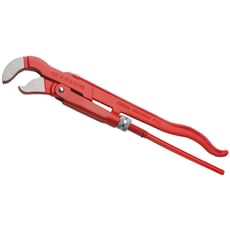
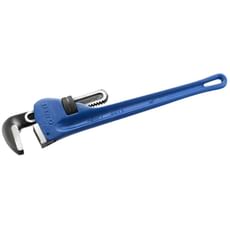
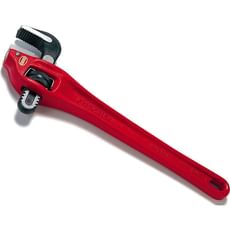
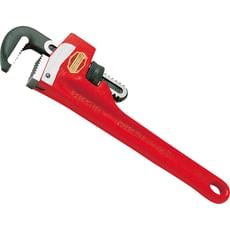
The range available from Tooled-Up.com includes several distinct patterns to suit different applications. Stillson-type pipe wrenches feature straight jaws ideal for general pipework, whilst Swedish pattern models offer angled jaws (typically 45 or 90 degrees) that excel in confined spaces and awkward angles. American pattern cast iron wrenches deliver exceptional durability for heavy-duty industrial applications, and specialist corner pipe wrenches provide access to sanitary fittings and pipework positioned tight against walls. Premium brands such as Bahco, Ridgid, Facom and Record dominate the professional market, whilst manufacturers like Draper, Sealey and Faithfull offer excellent value options for occasional use.
Modern pipe wrenches incorporate ergonomic improvements including comfort-grip handles, lightweight alloy construction and anti-rust treatments. Jaw capacities typically range from 10mm to over 150mm, with wrench lengths from compact 250mm models up to substantial 900mm versions for maximum leverage on large-bore pipework. Many professional plumbers carry multiple sizes to handle the varied pipe diameters encountered on domestic and commercial installations.
Jargon Buster
- Stillson Type: The traditional straight-jaw pipe wrench design featuring parallel serrated jaws, named after inventor Daniel Stillson. Ideal for general-purpose pipe gripping and turning applications.
- Swedish Pattern: A pipe wrench design with angled jaws (commonly 45 or 90 degrees) that allows working in restricted spaces and tight corners where straight-jaw models cannot reach effectively.
- Jaw Capacity: The maximum pipe diameter that can be gripped between the wrench jaws when fully opened, typically measured in millimetres. This determines the range of pipe sizes the tool can accommodate.
- Heel Jaw: The fixed, stationary serrated jaw attached to the wrench body. Works in conjunction with the movable hook jaw to create the gripping action on pipes and fittings.
- Hook Jaw: The adjustable, movable jaw that slides along the wrench handle to accommodate different pipe diameters. Features deep serrations that bite into pipe surfaces under load.
- Ratcheting Action: The self-tightening characteristic where increased turning force causes the jaws to grip more firmly, preventing slippage and providing superior purchase on smooth or corroded surfaces.
Who Uses Pipe Wrenches?
- Plumbers and Heating Engineers: The primary users, relying on pipe wrenches daily for installing and maintaining water supply systems, central heating pipework and gas installations.
- Maintenance Fitters: Industrial and commercial maintenance teams working on pressurised systems, process pipework and plant equipment.
- Gas Engineers: Specialists working with threaded gas pipes and compression fittings on both domestic and commercial installations.
- Construction Workers: General building contractors dealing with first-fix plumbing, temporary site services and utilities installation.
- Mechanical Engineers: Workshop professionals and fitters working with threaded components, hydraulic fittings and cylindrical parts.
- DIY Enthusiasts: Homeowners tackling bathroom renovations, radiator replacements and general plumbing repairs around the property.
- Agricultural Engineers: Farm maintenance workers dealing with irrigation systems, water troughs and agricultural machinery pipework.
- Marine Engineers: Boat builders and marine fitters working on vessel plumbing systems and seawater installations.
How to Choose the Right Pipe Wrenches
Determine Required Jaw Capacity: Match the wrench size to the pipe diameters you commonly work with. A 250mm wrench handles pipes up to approximately 35mm, whilst 350mm models accommodate 50mm pipes. Professional plumbers typically maintain a set of three sizes (small, medium and large) to cover the full range of domestic pipework from 15mm to 54mm.
Consider Handle Length and Leverage: Longer handles provide increased turning force but require more working space. Compact wrenches suit tight underbasin work, whilst extended models deliver the leverage needed for seized industrial pipework. Balance portability against the torque requirements of your typical applications.
Select the Appropriate Jaw Pattern: Choose traditional Stillson straight-jaw designs for open access situations, but specify Swedish pattern angled-jaw models when regularly working on radiator valves, toilet connections or pipework positioned against walls. Corner wrenches prove invaluable for sanitary installations.
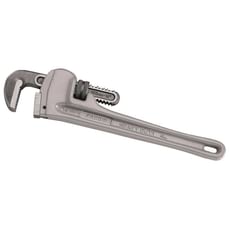
Material and Construction Quality: Professional-grade wrenches from Ridgid, Bahco and Facom feature drop-forged steel construction with hardened jaws for extended service life. Budget models utilise cast iron which proves adequate for light-duty use. Aluminium alloy offset wrenches reduce weight significantly for overhead work whilst maintaining strength.
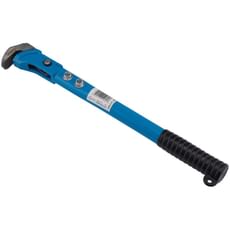
Ergonomics and Comfort: Look for cushioned handle grips if using wrenches extensively, as they reduce hand fatigue and improve comfort during prolonged use. Anti-rust treatments and black oxidised finishes enhance durability in damp working environments. Tooled-Up stocks both traditional bare metal and modern ergonomic designs to suit personal preference.
Brand Reputation: Established manufacturers provide superior metallurgy, precision machining and reliable ratcheting action. Record and FootPrint represent British engineering heritage, whilst Ridgid dominates the North American professional market. European brands Bahco and Facom deliver excellent quality-to-price ratios.
Popular Accessories
- Replacement Jaws: Spare hook and heel jaws extend wrench lifespan when serrations become worn or damaged through heavy use on abrasive surfaces.
- Pipe Cutters: Essential companion tools for sizing copper, steel and plastic pipework before threading or fitting installation.
- Adjustable Spanners: Complement pipe wrenches by handling hexagonal nuts and compression fittings without damaging chrome finishes.
- PTFE Thread Tape: Essential sealing consumable for creating watertight threaded connections when reassembling pipework after wrench work.
- Penetrating Oil: Releasing fluid helps free seized threads and corroded connections before applying wrench leverage.
- Pipe Threading Dies: Hand-held stocks and dies for cutting threads onto new pipe sections in situ.
- Tool Rolls and Bags: Organised storage solutions protecting wrench jaws during transport and keeping multiple sizes readily accessible.
- Chain Pipe Wrenches: Alternative gripping tools for extremely large diameter pipes beyond standard jaw capacities.
Safety Information
Correct Jaw Direction: Always position the pipe wrench so the handle movement direction aligns with the jaw opening. The wrench should pull towards the hook jaw to engage the self-tightening action properly. Pushing against the heel jaw can cause the tool to slip dangerously.
Inspect Before Use: Check jaw serrations remain sharp and undamaged, with no excessive wear. Examine the adjustment mechanism operates smoothly without binding. Worn jaws reduce grip and increase slippage risk, potentially causing hand injuries when unexpected release occurs.
Apply Appropriate Force: Never extend handles with additional leverage bars or "cheater pipes" as this can exceed the tool's design limits, causing jaw or handle failure. Select a larger wrench if additional leverage proves necessary. Avoid striking wrenches with hammers as shock loading can fracture cast components.
Protect Chrome and Finished Surfaces: Pipe wrench jaws intentionally mark and damage surfaces they grip. Never use on chrome-plated taps, decorative fittings or finished components. Deploy adjustable spanners or strap wrenches on visible pipework requiring cosmetic preservation.
Personal Protective Equipment: Wear safety glasses when applying significant force, as sudden pipe fracture or fitting failure can project debris. Use work gloves to protect hands from sharp pipe edges and serrated jaw surfaces. Ensure secure footing when exerting maximum leverage to prevent falls if unexpected release occurs.
Frequently Asked Questions
What size pipe wrench do I need for domestic plumbing?
For general household work, a 350mm (14-inch) pipe wrench handles most common pipe sizes from 15mm to 35mm including basin wastes, radiator connections and standard supply pipework. Adding a smaller 250mm model covers compression fittings and tap connectors, whilst a 450mm wrench tackles occasional larger waste pipes and outdoor supply connections. This three-wrench combination suits approximately 95% of domestic plumbing scenarios.
Can I use a pipe wrench on copper compression fittings?
Whilst technically possible, pipe wrench serrations will damage the brass compression nut finish and may deform softer copper olives. Use an adjustable spanner or proper compression fitting spanners on visible pipework to avoid cosmetic damage. Reserve pipe wrenches for threaded iron or steel pipe connections where surface marking proves inconsequential. For seized compression fittings, apply penetrating oil and use correctly-sized spanners rather than aggressive pipe wrench leverage.
Why does my pipe wrench keep slipping on the pipe?
Slippage typically indicates worn jaw serrations, incorrect positioning or working in the wrong direction. Ensure the hook jaw faces the direction you're turning, allowing the self-tightening action to engage. Clean pipes of grease and corrosion for improved grip. Check the adjustment isn't too loose—jaws should contact the pipe firmly before applying turning force. Worn serrations require jaw replacement or wrench renewal, as smooth jaws cannot grip effectively regardless of applied force.
What's the difference between Stillson and Swedish pattern pipe wrenches?
Stillson-type wrenches feature straight, parallel jaws ideal for general pipework in open spaces. Swedish pattern models incorporate angled jaws (45 or 90 degrees) specifically designed for restricted access situations—working close to walls, in corners or on installations where straight-jaw wrenches cannot achieve proper purchase. Both types function identically regarding gripping mechanism, but jaw geometry determines accessibility in confined locations. Professional plumbers often carry both patterns.
Are aluminium pipe wrenches as strong as steel versions?
Quality aluminium alloy pipe wrenches deliver comparable strength to steel models whilst significantly reducing weight—particularly beneficial for overhead work and reducing user fatigue. However, they typically cost more than equivalent steel wrenches. Steel models prove more resistant to accidental damage from drops and impacts. The selection at Tooled-Up.com includes both materials, with aluminium suiting professional tradespeople working extensively overhead, whilst steel wrenches offer excellent value for general workshop and site applications where weight proves less critical.