

Planer Blades
Pay in 3 interest-free payments on purchases from £30-2000 with  . Learn more.
 Loading...
End of content
Error - No more pages to load
About Planer Blades
Planer blades are precision-engineered cutting components designed to fit handheld power planers and stationary planer thicknessers. These essential accessories determine the quality of finish when smoothing, sizing, or chamfering timber and wood composite materials. Available in various materials including high-speed steel (HSS), tungsten carbide tipped (TCT), and solid carbide constructions, planer blades suit different applications from rough stock removal to fine finishing work. Most commonly available in the industry-standard 82mm width, they're also manufactured in specialised sizes such as 56mm for compact planers and 210mm for stationary machines.
The range available from Tooled-Up.com includes reversible double-edged blades that offer extended service life by allowing users to flip the blade when one edge becomes dull, effectively doubling the lifespan before resharpening or replacement becomes necessary. Premium options such as spiral blades provide superior finish quality with reduced noise and vibration, making them ideal for fine joinery work. Whether you're fitting doors on site, preparing timber in a workshop, or maintaining construction materials, selecting the correct blade type and maintaining sharp cutting edges is fundamental to achieving professional results whilst reducing strain on both the tool and operator.
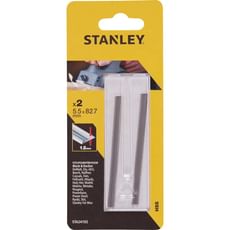
Tooled-Up stocks replacement blades from leading manufacturers including Bosch Professional, DeWalt, Makita, Milwaukee, Festool, and Stanley, ensuring compatibility with the most popular planer models used by UK tradespeople. Regular blade replacement or resharpening is essential maintenance that prevents burning, tear-out, and excessive wear on planer motors, making quality replacement blades a cost-effective investment for any professional or serious DIY enthusiast.
Jargon Buster
- HSS (High-Speed Steel): A durable steel alloy that maintains its hardness at high temperatures. HSS blades are economical, can be resharpened multiple times, and suit general-purpose planing in softwoods and some hardwoods.
- TCT (Tungsten Carbide Tipped): Blades featuring tungsten carbide cutting edges brazed onto a steel body. TCT blades stay sharper significantly longer than HSS, particularly when working with abrasive materials, composite boards, or reclaimed timber containing hidden nails or grit.
- Reversible Blades: Double-edged planer blades with cutting edges on both sides. When one edge dulls, simply reverse the blade to use the fresh edge, doubling the working life before replacement or resharpening is required.
- Rebating: The process of cutting a stepped recess along the edge of timber, commonly used in joinery for door frames, window sashes, and cabinet construction. Specialised rebating depth stops help achieve consistent results.
- Spiral Blades: Premium blades with a helical cutting edge that contacts the workpiece progressively rather than along the entire width simultaneously. This design reduces chatter, produces a superior finish, and operates more quietly than straight blades.
- Knife Setting Gauge: A precision tool used to ensure planer blades are installed at exactly the correct height and parallel to the cutter block, essential for achieving consistent cutting depth and avoiding uneven surfaces.
Who Uses Planer Blades?
- Carpenters and Joiners: For fitting doors, hanging windows, preparing timber joints, and general dimensioning of construction timber
- Cabinet Makers: Achieving precise thickness and smooth finishes on furniture components and decorative mouldings
- Shop Fitters: Sizing and finishing timber for retail displays, counters, and bespoke joinery installations
- General Builders: Site work including trimming joists, preparing studwork, and chamfering exposed timber edges
- Maintenance Contractors: Door adjustments, window repairs, and general property maintenance requiring timber modification
- Boat Builders: Shaping and smoothing hardwoods and marine ply with precision and consistency
- Renovation Specialists: Working with reclaimed timber, period property restoration, and sympathetic repairs to existing joinery
- Serious DIY Enthusiasts: Home workshop projects, furniture making, and property improvement requiring professional-quality finishes
How to Choose the Right Planer Blades
Blade Width and Compatibility: The most critical factor is selecting blades that match your planer's cutter block width. The 82mm size fits the majority of handheld planers from manufacturers like Makita, DeWalt, Bosch, and Milwaukee, whilst compact models may require 56mm blades. Stationary planer thicknessers use wider blades—typically 210mm or greater. Always verify your machine's specifications before purchasing.
Material Selection: HSS blades offer excellent value for softwood applications and can be resharpened economically, making them ideal for high-volume work in clean timber. TCT blades represent a premium investment that pays dividends when working with hardwoods, abrasive materials like MDF or chipboard, or reclaimed timber where hidden nails might be encountered. For the finest finish on figured hardwoods, spiral carbide blades eliminate tear-out but command a higher price point.
Reversible vs Single-Edge: Reversible double-edged blades are the economical choice for professional tradespeople, effectively halving replacement costs and reducing downtime for blade changes. Single-edge blades are typically reserved for specialised applications or machines with specific mounting requirements.
Blade Quantity: Most handheld planers use two blades mounted opposite each other for balance, though some models employ single-blade or three-blade configurations. Purchase the correct quantity—installing mismatched or incomplete sets causes dangerous vibration and poor results.
Application Considerations: For site work involving construction timber, robust TCT blades withstand the inevitable knocks and occasional nail strikes. Workshop-based fine joinery benefits from sharp HSS blades changed frequently, or premium spiral blades for figured timber prone to tear-out. Consider keeping both HSS and TCT sets—HSS for clean softwood and TCT for everything else.
Popular Accessories
- Blade Setting Gauges: Magnetic or mechanical devices ensuring precise blade height alignment for consistent cutting depth
- Torx or Hex Keys: Correct-size drivers for blade retention screws—essential for secure installation
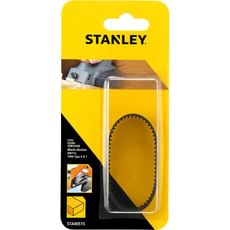
- Replacement Drive Belts: Maintaining optimal power transmission from motor to cutter block
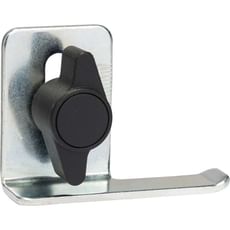
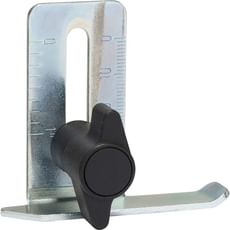
- Rebating Depth Stops: Guide accessories enabling accurate stepped rebate cutting for joinery applications
- Planer Dust Extraction Adaptors: Connecting machines to workshop vacuum systems for improved visibility and healthier working conditions
- Blade Sharpening Jigs: For workshop-based resharpening of HSS blades, extending service life economically
- Planer Stands and Fences: Workpiece support accessories improving accuracy and safety during edge planing operations
- Protective Blade Storage Cases: Safeguarding sharp edges and preventing damage to spare blades in tool boxes
Safety Information
Personal Protective Equipment: Always wear safety glasses or a full face shield when changing blades or operating planers, as metal fragments or wood chips can cause serious eye injuries. Hearing protection is advisable during extended use, particularly with handheld planers which generate considerable noise levels.
Blade Installation: Disconnect the planer from the 240v power supply and remove the battery on cordless models before commencing any blade changes. Ensure blades are installed with cutting edges facing the correct rotational direction—incorrect installation causes dangerous kickback and potential blade ejection. Tighten retention screws to the manufacturer's specified torque using the correct driver to prevent blade slippage during operation.
Sharp Edge Handling: Planer blades are extremely sharp—handle with care and store in protective cases when not installed. Wear heavy-duty gloves when handling new or freshly sharpened blades to prevent lacerations. Dispose of worn blades responsibly by wrapping in cardboard and clearly marking as sharp waste.
Machine Inspection: After installing new blades, manually rotate the cutter block by hand (with power disconnected) to verify smooth operation without binding or unusual resistance. Check that all retention screws are secure before reconnecting power. The HSE recommends regular inspection of blade condition—continuing to use excessively worn blades increases kickback risk and motor strain.
Frequently Asked Questions
How often should planer blades be replaced?
This depends entirely on usage intensity and material types. Professional joiners working daily in clean softwood might achieve several weeks from HSS blades, whilst site carpenters encountering occasional nails may need TCT blade replacement monthly. Signs indicating replacement include burning marks on timber, increased motor noise, excessive tear-out, or visible nicks in blade edges. Reversible blades should be flipped when performance declines, then replaced when both edges are exhausted.
Can HSS planer blades be resharpened?
Yes, HSS blades can be professionally resharpened multiple times, typically 3-5 cycles before the blade body becomes too narrow. Many tool sharpening services offer this economically, though blade sets must be sharpened together to maintain identical dimensions. TCT blades also accept resharpening but require diamond grinding wheels and specialist equipment, making professional service essential. For intermittent users, replacement often proves more economical than resharpening costs.
Are all 82mm planer blades interchangeable between brands?
Whilst 82mm represents the standard width, blade thickness, mounting hole positions, and overall length vary between manufacturers. Always purchase blades specifically designed for your planer model or verified as compatible alternatives. Using incorrect blades risks poor fit, vibration, inadequate securing, and potential dangerous blade ejection during operation. Check manufacturer cross-reference charts or consult product compatibility information before purchasing.
Why do my planer blades dull quickly when working with certain materials?
Abrasive materials like MDF, chipboard, plywood, and pressure-treated timber contain resins, adhesives, and chemical preservatives that rapidly dull HSS blades. Reclaimed timber often harbours hidden nails, screws, grit, or embedded sand causing immediate damage. For these applications, TCT blades prove far more economical despite higher initial cost, as their carbide edges resist abrasion significantly better than steel. Additionally, feeding material too quickly increases friction and heat, accelerating edge breakdown.
What causes lines or ridges across planed surfaces?
Parallel lines across the planed surface typically indicate blades set at slightly different heights—one blade cuts deeper than its partner, leaving ridges. Use a blade setting gauge to ensure precise height alignment. Alternatively, nicks or damage to blade edges create corresponding ridges. Single deeper lines suggest a chip in one blade requiring immediate replacement to prevent worsening and potential blade fracture during operation.