

Plaster Mixers
Pay in 3 interest-free payments on purchases from £30-2000 with  . Learn more.
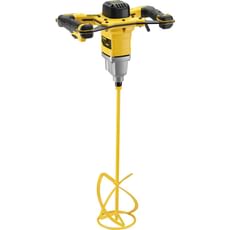
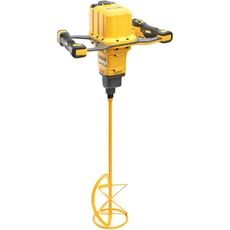
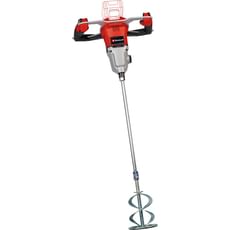
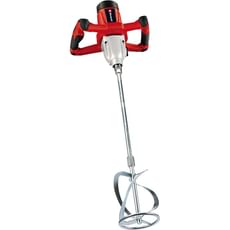
Einhell Professional TP-MX 18-2 Li BL 18v Cordless Brushless Paddle Mixer
in stock
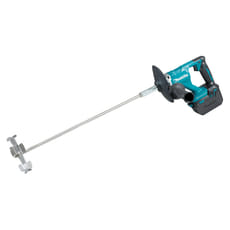
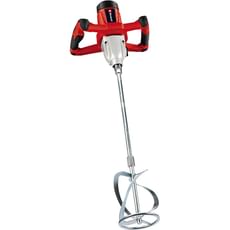
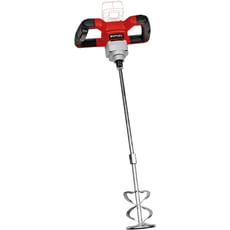
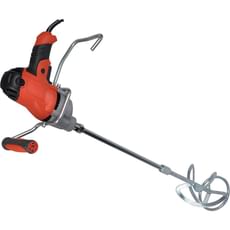
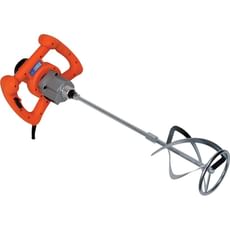
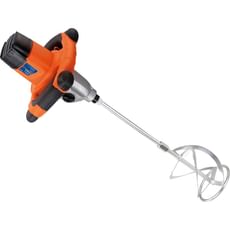
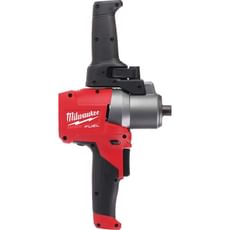
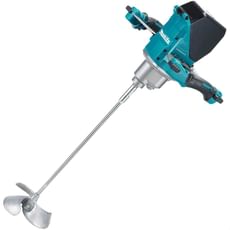
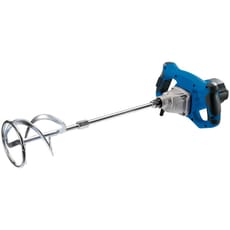
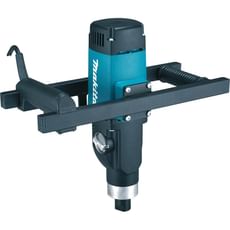
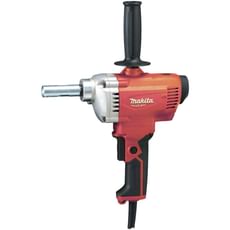
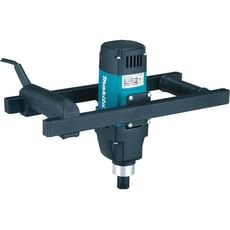
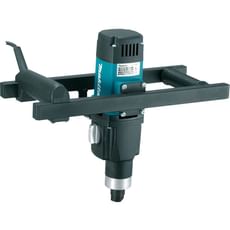
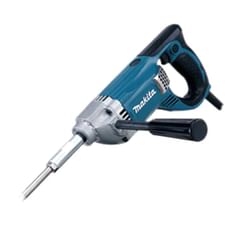
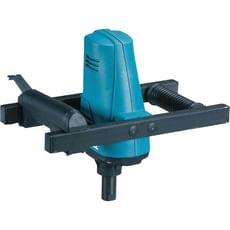
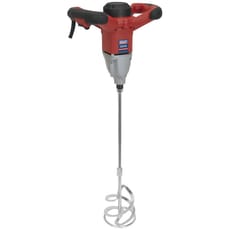
 Loading...
End of content
Error - No more pages to load
About Plaster Mixers
Plaster mixers, also known as paddle mixers or mixing drills, are specialised power tools engineered to efficiently combine plaster, mortar, cement, paint, adhesives, and other construction materials to a smooth, lump-free consistency. Unlike standard drills, these purpose-built tools feature powerful motors with high torque output and slower rotational speeds, making them ideally suited for stirring thick, heavy compounds without motor strain or loss of control. The selection at Tooled-Up.com includes both corded and cordless models from leading manufacturers including Makita, DeWalt, Milwaukee, and Einhell, ranging from compact 18V battery-powered units to heavy-duty mains-powered options exceeding 1600W.
Modern plaster mixers come equipped with advanced features designed to enhance performance and user comfort. Corded models such as the Makita UT1600 and Einhell TE-MX 1600-2 CE provide continuous 240v power for extended mixing sessions on site, whilst cordless variants like the DeWalt DCD240 54V FLEXVOLT offer unparalleled portability and convenience, particularly valuable when working in locations without mains electricity or where trailing cables present trip hazards. Many professional-grade mixers now incorporate brushless motor technology, delivering increased runtime, longer tool life, and improved efficiency compared to traditional brushed motors.
The versatility of these tools extends well beyond plaster and cement mixing – they're equally capable of blending paint, tile adhesive, render, grout, concrete, resin, and even specialist compounds like self-levelling floor screeds. Most models accept standard M14 threaded paddles in various sizes and configurations, allowing you to match the mixing attachment to your specific material viscosity and bucket capacity. Premium models feature variable speed control, soft-start functions to prevent splashing, electronic overload protection, and two-speed gearboxes for handling different material consistencies with precision.
Jargon Buster
- Paddle Mixer: Alternative term for plaster mixer, referring to the paddle-shaped mixing attachment that rotates to blend materials. The paddle design creates thorough mixing action whilst minimising air incorporation into the compound.
- Torque: The rotational force produced by the motor, measured in Newton metres (Nm). Higher torque is essential for mixing thick, heavy materials without the motor stalling. Plaster mixers typically deliver significantly higher torque than standard drills at lower speeds.
- Brushless Motor: Modern motor technology that eliminates carbon brushes, resulting in longer runtime per battery charge, extended tool lifespan, reduced maintenance requirements, and more efficient power delivery compared to traditional brushed motors.
- M14 Thread: The standard thread size for mixer paddles in the UK and Europe. This universal fitting allows you to use different paddle types and sizes with the same mixer body, providing excellent versatility across applications.
- Soft Start: A feature that gradually increases motor speed when triggered, preventing sudden jerking movements and reducing material splashing. Particularly valuable when starting to mix in a full bucket of compound.
- No-Load Speed: The maximum rotational speed (measured in RPM) the mixer achieves without resistance. Plaster mixers typically operate between 300-800 RPM, considerably slower than standard drills but with substantially greater mixing power and torque.
Who Uses Plaster Mixers?
Plaster mixers are indispensable tools for a wide range of construction professionals and DIY users:
- Plasterers and Dry Liners: Mixing plaster, joint compound, and finishing materials for wall and ceiling applications
- Bricklayers and Masons: Preparing mortar, render, and cement mixes for brickwork, blockwork, and stone installations
- Tilers: Mixing tile adhesive, grout, and levelling compounds for floor and wall tiling projects
- Painters and Decorators: Blending paint, textured coatings, and specialist finishes to achieve uniform consistency
- General Builders and Construction Workers: Preparing various building materials on site for diverse applications
- Restoration Specialists: Mixing traditional lime mortars and specialist repair compounds for heritage building work
- Landscapers: Preparing concrete mixes, grout, and specialist paving materials for outdoor projects
- Flooring Contractors: Mixing self-levelling compounds, adhesives, and screeds for floor preparation
- DIY Enthusiasts: Tackling home renovation projects including plastering, tiling, rendering, and general building work
- Maintenance Professionals: Preparing repair materials for building maintenance and refurbishment work
How to Choose the Right Plaster Mixers
Power Source: Decide between corded and cordless based on your typical working environment. Corded models provide consistent 240v power for prolonged mixing sessions and are ideal for workshop use or sites with reliable mains access. Cordless options eliminate trip hazards and offer excellent portability, making them perfect for working across multiple locations or on sites without electricity supply. Tooled-Up stocks both formats from leading manufacturers.
Motor Power and Torque: For occasional DIY use and lighter materials like paint or thin plaster, a 1200-1400W corded mixer or 18V cordless model such as the Makita DUT130 provides adequate performance. Professional tradespeople mixing heavy materials like thick render or screed should opt for more powerful options – 1600W+ for corded models like the Makita UT1600, or 40V-54V for cordless variants. Higher torque ratings ensure the motor won't stall when mixing thick compounds.
Speed Control: Single-speed mixers are perfectly adequate for straightforward mixing tasks, but two-speed models like the Makita UT1401 offer greater versatility. Lower speeds suit thick, heavy materials (cement, mortar, thick plaster), whilst higher speeds work better for thinner compounds (paint, thin adhesives). Variable speed triggers provide even finer control, allowing you to adjust mixing intensity to prevent splashing.
Build Quality and Durability: Professional-grade mixers from Makita, DeWalt, and Milwaukee feature robust metal gearboxes, reinforced housings, and superior sealing against dust and moisture ingress – essential for demanding site conditions. Budget options from Einhell, Draper, and Vitrex suit occasional use and lighter applications. Consider the warranty period as an indicator of manufacturer confidence in tool longevity.
Weight and Ergonomics: Mixing can be physically demanding, particularly on longer projects. Look for models with well-positioned side handles, comfortable grips, and balanced weight distribution. Lighter cordless models reduce fatigue but may sacrifice some power, whilst heavier corded versions provide stability when mixing large volumes.
Battery Compatibility: If choosing cordless, consider whether the mixer uses batteries compatible with other tools you own. Most manufacturers offer platform systems (DeWalt XR FLEXVOLT, Makita LXT/XGT, Milwaukee M18) allowing battery sharing across multiple tools, reducing overall investment costs and ensuring you always have charged batteries available.
Popular Accessories
- Mixing Paddles: Available in various sizes (typically 100-160mm diameter) and configurations including spiral, cage, and plaster-specific designs. Different paddle types optimise mixing action for specific materials – spiral paddles suit paint and thin compounds, whilst heavy-duty paddles handle thick mortar and cement.
- Spare Batteries and Chargers: Essential for cordless mixer users to maintain productivity. Fast chargers minimise downtime, whilst having spare batteries ensures continuous operation on demanding projects without waiting for recharging.
- Mixing Buckets: Purpose-designed heavy-duty buckets in various capacities, often featuring measurement markings and reinforced construction to withstand repeated mixing without cracking or warping under the stress of paddle rotation.
- Side Handles: Additional or replacement handles improve control and reduce operator fatigue, especially valuable when mixing large volumes or thick materials requiring sustained effort throughout the working day.
- Dust Extraction Attachments: Some premium mixers accept dust extraction accessories, reducing airborne particles when working with dry powder materials – particularly important for HSE compliance in enclosed spaces.
Safety Information
Plaster mixers are powerful tools requiring careful handling to prevent injury. Always wear appropriate personal protective equipment including safety goggles to protect against splashing materials, heavy-duty gloves to prevent skin contact with potentially caustic compounds, and dust masks when mixing dry powders. Steel toe-capped boots provide essential protection should you drop the tool or filled bucket.
Before starting work, ensure the mixer paddle is securely tightened using the appropriate spanner and inspect for damage or wear. Always introduce the paddle into the material before triggering the motor to prevent splashing and loss of control. Use both hands to maintain firm grip and control, particularly when the paddle encounters resistance. Never force the mixer if it begins to bind – release the trigger, reposition, and restart gradually.
When using corded models, ensure cables are protected from damage and positioned to avoid trip hazards, and always use an RCD (Residual Current Device) for additional electrical safety protection on site. Working with building materials requires adherence to COSHH regulations. Ensure adequate ventilation when mixing in enclosed spaces, particularly with cement-based products that can generate harmful dust. After use, clean paddles and mixer bodies thoroughly to prevent material build-up which can cause imbalance and increase strain on motor components.
Frequently Asked Questions
Can I use a normal drill instead of a dedicated plaster mixer?
Standard drills lack the necessary torque and gearing for mixing thick materials and will quickly overheat or burn out under sustained mixing loads. Plaster mixers feature reinforced gearboxes, higher torque output at lower speeds, and cooling systems designed for continuous mixing operation. Using a standard drill for plaster mixing typically voids the warranty and risks tool damage or injury from motor failure.
What's the difference between 18V and 40V-54V cordless plaster mixers?
Higher voltage cordless mixers deliver significantly more power and sustained performance when mixing thick, heavy materials. An 18V mixer suits occasional use, lighter materials, and smaller batch sizes, whilst 40V-54V models such as the DeWalt DCD240 FLEXVOLT or Makita UT001G 40V XGT provide performance comparable to corded mixers, handling professional-grade applications and larger volumes without performance drop-off. Battery runtime also increases substantially with higher voltage platforms.
What size mixing paddle should I use?
Paddle size depends on bucket diameter and material viscosity. For standard 25-litre buckets, a 120-140mm paddle works well for most applications. Larger paddles (160mm+) suit bigger buckets and thinner materials but require more powerful mixers. Smaller paddles reduce strain on lighter-duty mixers and provide better control in confined spaces. Always ensure the paddle doesn't contact bucket sides during operation to prevent damage and loss of control.
How do I prevent lumps when mixing plaster?
Always add plaster powder to water, never water to powder, following manufacturer ratios precisely. Start with the mixer off, submerge the paddle, then trigger at low speed. Gradually increase speed once initial mixing begins. Keep the paddle fully submerged to avoid incorporating excess air which can weaken the final set. Mix thoroughly for 2-3 minutes until achieving smooth, lump-free consistency, scraping bucket sides if necessary.
Are brushless plaster mixers worth the extra cost?
For professional users or frequent DIY applications, brushless motors provide excellent value through increased battery runtime (typically 25-50% longer), extended tool lifespan due to reduced wear, improved efficiency under load, and reduced maintenance requirements. For occasional use, traditional brushed motors remain perfectly adequate and represent better value. However, brushless technology is increasingly becoming standard across mid-range to premium models available at Tooled-Up.com.