

Plaster & Mortar Stands

Pay in 3 interest-free payments on purchases from £20-£3000 with  . Learn more.
 Loading...
End of content
Error - No more pages to load
About Plaster & Mortar Stands
Plaster and mortar stands are essential site equipment designed to provide a stable, elevated working platform for mixing and holding building materials during construction and renovation work. These specialist stands and boards create a clean, controlled workspace that prevents spillages onto driveways, lawns, and finished surfaces while keeping mortar, plaster, and cement mixes at an ergonomic working height. Professional tradespeople and serious DIY enthusiasts rely on these tools to maintain site cleanliness and improve workflow efficiency when working with wet building materials.
The range available from Tooled-Up.com includes lightweight mixing boards manufactured from durable polypropylene, folding stands for easy transportation and storage, versatile spot boards for holding prepared materials, and innovative connector systems that allow multiple boards to be joined together for larger projects. Brands such as Red Gorilla, Draper, Faithfull, and Roughneck manufacture these products to withstand the demanding conditions of active building sites, combining portability with robust construction that resists chemical damage from cement and other corrosive materials.
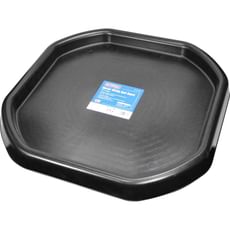
Modern plaster and mortar stands typically feature octagonal or square designs with raised edges to contain materials and prevent waste. Many models incorporate integral hanging hooks for vertical storage, whilst folding stand designs collapse flat for transportation between jobs. These practical features make them indispensable equipment for plasterers, bricklayers, and general builders who need to maintain professional standards whilst working efficiently across multiple site locations.
Jargon Buster
- Spot Board: A portable platform used to hold prepared mortar, plaster, or render ready for application. Spot boards keep materials at a convenient height and prevent contamination from ground debris.
- Mixing Board: A flat surface specifically designed for hand-mixing cement, mortar, or plaster. The raised edges contain materials whilst mixing, and the smooth polypropylene surface prevents sticking and allows easy cleaning.
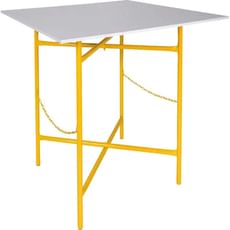
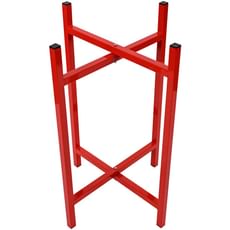
- Mortar Stand: An elevated frame or support that holds mixing boards or spot boards at a comfortable working height, reducing back strain and improving site ergonomics during extended plastering or bricklaying sessions.
- Polypropylene Construction: A chemical-resistant plastic material commonly used for mixing boards. This lightweight yet durable material resists corrosion from cement and can be easily cleaned after use.
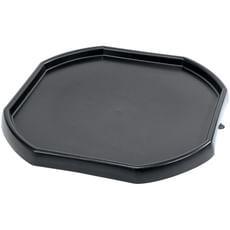
- Octagonal Board: A traditional eight-sided design for spot boards that provides stability whilst minimising the board's footprint on site. The angled edges make it easier to load material onto a hawk or trowel.
- Folding Stand: A collapsible support frame that folds flat for transportation and storage, making it ideal for mobile tradespeople who move between multiple job sites throughout the working day.
Who Uses Plaster & Mortar Stands?
- Plasterers: Professional plasterers use spot boards and stands to hold prepared plaster at the perfect working height during interior finishing work.
- Bricklayers: Brickies rely on mortar stands to keep mixed mortar clean and accessible whilst building walls, laying blocks, or pointing brickwork.
- Rendering Specialists: External rendering contractors use these stands to maintain consistent material quality whilst applying cement-based renders to building facades.
- General Builders: Multi-trade builders keep mixing boards on site for various tasks involving cement, mortar, adhesives, and other building compounds.
- Stonemasons: Stonemasons use spot boards when working with specialist mortars for natural stone installation and restoration projects.
- Landscape Gardeners: Landscapers use mixing boards when laying patios, building walls, or pointing stonework in domestic and commercial garden projects.
- DIY Enthusiasts: Home improvers tackling bricklaying, rendering, or plastering projects benefit from the professional standards these stands provide.
- Heritage Restoration Specialists: Conservation professionals working on listed buildings use these tools when mixing traditional lime mortars and specialist heritage materials.
How to Choose the Right Plaster & Mortar Stands
Material and Durability: Look for boards manufactured from heavy-duty polypropylene that resists chemical attack from cement and lime-based products. Quality construction ensures the board won't crack or warp during regular site use, whilst the smooth surface allows for effortless cleaning with a hose or pressure washer after each working session.
Size and Capacity: Consider the scale of your typical projects. Standard mixing boards measure approximately 950mm square, providing ample space for hand-mixing batches of mortar. Smaller spot boards offer portability for holding prepared materials, whilst larger boards suit high-volume commercial work. Tooled-Up stocks various sizes to match different application requirements.
Portability Requirements: If you work across multiple sites, prioritise lightweight designs with carrying handles or integral hanging hooks. Folding stands collapse for transportation in vans, whilst some spot board systems feature connector accessories that allow boards to be stacked efficiently during transit.
Stand Height Adjustment: Ergonomic working height reduces fatigue during extended plastering or bricklaying sessions. Some stands offer adjustable height settings, whilst fixed-height models provide excellent stability. Consider your own height and typical working posture when selecting stand dimensions.
Edge Design: Raised edges are crucial for containing materials during mixing and preventing spillages. Traditional octagonal designs offer multiple working angles, whilst square boards provide maximum surface area. The edge height should balance containment with easy access for loading hawks and trowels.
Storage and Site Organisation: Consider how equipment will be stored between jobs. Boards with hanging hooks can be mounted vertically in workshops or garages, whilst folding stands collapse flat. Some Red Gorilla systems feature innovative connectors that allow multiple boards to be joined for large-scale projects then separated for compact storage.
Popular Accessories
- Plastering Hawks: Essential handheld platforms for carrying plaster or mortar from the spot board to the working area, available in various sizes and materials.
- Mixing Paddles and Attachments: Drill-mounted paddles for mechanical mixing of larger batches, particularly useful with mixing boards for consistent material preparation.
- Tarpaulins and Ground Sheets: Heavy-duty protective sheeting to safeguard finished surfaces and prevent material contamination from ground contact.
- Bucket Trowels: Specialised trowels designed for scooping mixed materials from buckets or boards onto hawks efficiently.
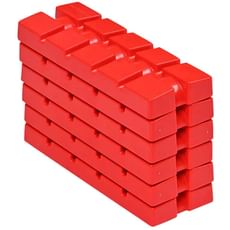
- Spot Board Connectors: Innovative linking systems that join multiple boards together, expanding working capacity for larger projects.
- Builder's Buckets: Chemical-resistant mixing buckets from brands like Red Gorilla complement board systems for preparing and transporting materials around site.
- Water Sprayers: Hand-pump sprayers for dampening surfaces and maintaining optimal working consistency in mixed materials.
- Cleaning Equipment: Stiff brushes, scrapers, and cleaning solutions specifically designed for removing dried cement and mortar residues from boards and tools.
Safety Information
Material Handling: Cement, mortar, and plaster products contain substances that can cause skin irritation and burns. Always wear appropriate PPE including waterproof gloves, safety glasses, and protective clothing when mixing and handling these materials. Wash any skin contact immediately with clean water.
Manual Handling: Even lightweight polypropylene boards become considerably heavier when loaded with wet mortar or plaster. Use proper lifting techniques when moving loaded boards, and consider using stands to eliminate the need for ground-level working which increases back strain risk. The HSE provides guidance on safe manual handling practices for construction activities.
Stability and Placement: Always position stands and boards on level, firm ground to prevent tipping hazards. Ensure folding stands are fully locked in the open position before loading materials. Never overload boards beyond their designed capacity, and keep working areas clear of trip hazards.
Chemical Awareness: Follow COSHH regulations when working with cement-based products. Ensure adequate ventilation when mixing materials, and never mix different chemical products unless specified by manufacturers. Store boards away from incompatible materials and clean thoroughly after each use to prevent chemical build-up.
Frequently Asked Questions
What's the difference between a mixing board and a spot board?
A mixing board is designed for the actual process of combining dry materials with water to create mortar or plaster, featuring raised edges to contain materials during mixing. A spot board holds already-prepared material at a convenient working height whilst you apply it. Many tradespeople use both: a mixing board for preparation and a spot board positioned near the working area for easy access during application.
Can I leave mortar or plaster on the board overnight?
No, cement-based materials should never be left on boards overnight as they will begin to cure and bond to the surface. Always clean boards immediately after use with water before materials set. Dried cement can damage the polypropylene surface and make subsequent cleaning extremely difficult. Proper cleaning after each session extends the board's working life significantly.
Are these boards suitable for mixing resin or adhesive products?
Whilst polypropylene boards resist most building chemicals, they're primarily designed for cement-based products. Some adhesives and resins may react with plastic surfaces or prove difficult to clean. Always check the adhesive manufacturer's recommendations regarding mixing surfaces, and consider using disposable mixing boards for specialist chemical products that might damage reusable equipment.
How do I clean dried mortar from my mixing board?
For light residue, soak the board and scrub with a stiff brush and water. Stubborn dried mortar can be carefully chipped away using a paint scraper, taking care not to gouge the board surface. Never use strong acids or aggressive cleaning chemicals that might damage the polypropylene. Prevention is easier than cure—always clean boards promptly after each use before materials have a chance to fully cure.
Do I need a stand or can I work with the board on the ground?
Whilst boards can be used at ground level, stands offer significant ergonomic benefits by reducing back strain during extended working periods. Working at waist height improves posture and efficiency, particularly for professional tradespeople spending hours mixing and applying materials. Stands also keep materials cleaner by elevating them away from ground-level dirt and debris that could compromise material quality or cause contamination issues.