

Plaster

Pay in 3 interest-free payments on purchases from £20-£3000 with  . Learn more.
 Loading...
End of content
Error - No more pages to load
About Plaster
Plaster is a fundamental building material used extensively across the construction, renovation and property maintenance sectors for creating smooth, durable surfaces on walls and ceilings. Whether you're a professional plasterer working on new builds, a general builder making good after first fix work, or a DIY enthusiast tackling home improvements, having access to quality plastering products is crucial for achieving professional results. Modern plastering materials have evolved to offer specialised formulations designed for specific applications, from rapid-setting patching compounds for emergency repairs to smooth finishing plasters that create the perfect canvas for decoration.
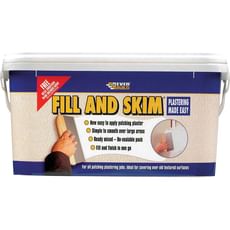
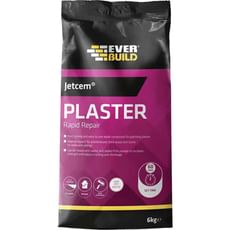
The plaster category encompasses products designed to meet different requirements and working conditions. Quick-setting patching plasters like Everbuild Jet Cem are ideal for repair work where time is of the essence, allowing tradespeople to complete jobs efficiently without compromising on quality—these products can harden in as little as 10-30 minutes. Ready-mixed plaster substitutes such as Everbuild Fill & Skim offer revolutionary convenience, eliminating the need for precise mixing whilst delivering professional finishes that were traditionally only achievable by time-served plasterers. These modern formulations often incorporate lightweight polymer spheres for improved workability and can fill substantial holes down to 25mm in a single application.
Tooled-Up.com stocks trusted brands like Everbuild, known throughout the UK trade for reliable, professional-grade plastering materials. Whether you need a rapid-setting cement for urgent repairs, a ready-mixed skim for finishing work, or a flexible plaster substitute for filling and smoothing, the selection at Tooled-Up provides the solutions that professional plasterers, builders, property maintenance contractors and competent DIY enthusiasts rely on to deliver quality results every time.
Jargon Buster
- Skim Coat: A thin final layer of plaster applied to walls or ceilings to create a smooth, level surface ready for decoration. Typically applied at 2-3mm thickness over plasterboard or as a finishing coat over base plasters.
- Setting Time: The period during which plaster remains workable after mixing with water. Quick-setting plasters may harden in as little as 10-30 minutes, whilst standard plasters can remain workable for 60-90 minutes. Temperature and humidity significantly affect these times.
- Patching Plaster: A specialised plaster formulation designed specifically for repair work, filling holes, cracks and damaged areas. Often features rapid-setting properties to minimise downtime on jobs where time is critical.
- Ready-Mixed Plaster: Pre-formulated plaster products that eliminate the need for on-site mixing with water. These products, often containing lightweight polymer spheres, offer consistent quality and extended shelf life once opened compared to traditional powder plasters.
- Workability: How easily plaster can be mixed, applied and smoothed during the working period before it begins to set. Good workability allows for easier trowelling, better finishing and reduces physical strain during application.
- Flexible Finish: Modern plaster formulations that dry to a hard yet flexible surface, reducing the risk of cracking due to building movement or substrate expansion. Particularly valuable in renovation work where older properties may experience slight movement.
Who Uses Plaster?
Plaster products are essential materials for a wide range of professionals and trades working across the construction and property maintenance sectors:
- Plasterers: Professional plasterers who specialise in wall and ceiling finishing rely on quality plaster products daily for both new builds and renovation projects, requiring materials that deliver consistent results.
- General Builders: Multi-trade contractors who need plastering materials for finishing work, making good after installations, and completing construction projects to a decoratable standard.
- Property Maintenance Contractors: Professionals carrying out repairs and refurbishment work in residential and commercial properties, often requiring quick-setting products for efficient turnaround times.
- Landlords and Property Managers: Those responsible for maintaining rental properties who need reliable patching and repair materials to address tenant damage or general wear and tear cost-effectively.
- Shopfitters and Interior Specialists: Tradespeople working on commercial fit-outs requiring smooth wall finishes that meet tight project deadlines and high aesthetic standards.
- DIY Enthusiasts: Home improvers undertaking renovation projects, repairs or creating new living spaces who need user-friendly products that deliver professional results without extensive plastering experience.
- Decorators: Painters and decorators who prepare surfaces and carry out minor plastering repairs before finishing work to ensure paint and wallpaper adhesion is optimal.
- Joiners and Carpenters: Woodworking tradespeople who need to fill and make good around fitted items such as skirting boards, architraves, door frames and built-in furniture.
How to Choose the Right Plaster
Application Type: Determine whether you need a patching plaster for repairs, a filling compound for holes and cracks, or a finishing skim for final smoothing. Quick-setting patching plasters like Jet Cem are ideal for fast repairs where standard setting times would delay progress, whilst ready-mixed products like Fill & Skim provide convenient solutions for both filling and finishing work without mixing requirements.
Setting Time Requirements: Consider your skill level and the job size carefully. Rapid-setting plasters (10-30 minutes) are excellent for small repairs and commercial work where time is money, but require confident, quick application. Ready-mixed products often offer extended working times and can be re-sealed for future use, making them ideal for DIY users or jobs spread across multiple days. Match the setting time to your experience level—slower-setting products provide more time to achieve smooth finishes.
Substrate Compatibility: Ensure the plaster you choose is suitable for your surface type. Different formulations work best on plasterboard, brick, blockwork, concrete or as repair compounds over existing plastered surfaces. Modern polymer-based products often offer excellent adhesion across multiple substrates without primers, whilst traditional plasters may require bonding agents on particularly smooth or porous surfaces.
Coverage and Depth: Calculate the area you need to cover and the depth required. Some ready-mixed products can fill holes down to 25mm in one application, eliminating the need for multiple coats that traditional plasters would require. Patching work typically uses more material per square metre than skim coating. Always purchase slightly more than calculated to avoid shortages mid-job, particularly with rapid-setting products where stopping to fetch more isn't practical.
Finish Requirements: Consider whether you need a hard, durable finish for high-traffic areas or a flexible finish that accommodates slight building movement. Products described as flexible are particularly valuable in renovation work on older properties or areas subject to vibration. For walls requiring subsequent tiling, ensure the plaster provides sufficient strength and adhesion for tile weight.
Convenience and Storage: Ready-mixed plaster products offer significant advantages for occasional users or those storing materials between jobs. Unlike powder plasters that deteriorate once opened and exposed to moisture, tub-based ready-mixed products can be resealed and stored for extended periods, reducing waste and providing better value for money on smaller projects.
Popular Accessories
To achieve professional plastering results, you'll need complementary tools and accessories alongside your plaster materials:
- Plastering Trowels: Essential finishing tools including laying-on trowels, finishing trowels and corner trowels for different applications—stainless steel blades offer the best performance and longevity.
- Hawk and Float: For holding plaster whilst working and achieving smooth finishes on larger areas—lightweight aluminium hawks reduce arm fatigue during extended use.
- Mixing Buckets and Paddles: Clean mixing equipment ensures proper plaster consistency for powder products; power drill paddle mixers speed up preparation and reduce physical effort.
- Filling Knives and Scrapers: Flexible blades in various widths for applying patching plaster and ready-mixed products into holes, cracks and damaged areas with precision.
- Jointing Tape: Scrim tape for reinforcing joints between plasterboards before skimming, preventing cracks appearing along seams.
- Corner Beads: Metal or plastic profiles for creating clean, durable external corners that withstand knocks and impacts in high-traffic areas.
- Dust Sheets and Protective Coverings: Essential for protecting floors, furniture and fittings during plastering work—heavy-duty polythene sheets offer the best protection against splashes.
- Sponges and Smoothing Tools: For final finishing touches, cleaning trowels and achieving polished surfaces on setting plaster.
- Water Spray Bottles: For dampening surfaces before application and keeping plaster workable during finishing—essential for achieving smooth results.
- PVA or Bonding Agents: Primers that improve adhesion on difficult or porous surfaces, sealing dusty substrates and controlling suction on highly absorbent materials.
- Plastering Stilts: Adjustable stilts for ceiling work and high walls, eliminating the need for constant scaffold tower repositioning.
- Plastering Brushes: For dampening surfaces and applying bonding agents evenly before plastering commences.
Safety Information
Personal Protective Equipment: Always wear appropriate PPE when mixing and applying plaster. Dust masks or respirators rated to FFP2 standard are essential when mixing dry powder plaster to prevent inhalation of fine particles that can irritate respiratory systems. Wear safety goggles to protect eyes from splashes, and use protective gloves as plaster can be irritating to skin, particularly during prolonged contact. Ready-mixed products generally produce less airborne dust but still require appropriate hand and eye protection.
COSHH Compliance: Plaster products, particularly those containing cement, require assessment under COSHH (Control of Substances Hazardous to Health) regulations. Always read the product safety data sheet before use to understand specific hazards and required precautions. Ensure adequate ventilation when working indoors to minimise dust exposure and allow moisture to escape. Follow HSE guidelines for exposure limits to respirable crystalline silica present in some traditional plaster formulations.
Skin Protection: Plaster can cause skin irritation, dryness or dermatitis with repeated exposure, particularly cement-based products which are alkaline. Wash hands thoroughly after use with pH-neutral soap, apply barrier cream before starting work to create a protective layer, and moisturise regularly to maintain skin condition. If wet plaster contacts skin, rinse immediately with clean water. Avoid rubbing eyes or face with contaminated gloves or hands.
Manual Handling: Tubs and bags of plaster can be heavy (typically 5-25kg depending on format). Use proper lifting techniques, keeping your back straight and lifting with your legs rather than bending at the waist. Store materials at a comfortable working height where possible to reduce strain when accessing them. Consider breaking down bulk quantities into smaller, more manageable portions for easier handling, particularly when working at height.
Workspace Safety: Keep working areas tidy and free from trip hazards such as tools, buckets and material containers. Clean up spills immediately as wet plaster can be extremely slippery underfoot, creating significant slip hazards. Ensure adequate lighting when working, particularly when finishing surfaces that require assessment of smoothness and level. Secure step ladders and working platforms properly, and never overreach when working at height—reposition equipment instead.
Frequently Asked Questions
How long does plaster take to fully dry?
Whilst plaster sets relatively quickly (from 10 minutes to several hours depending on the product type), complete drying takes considerably longer. Traditional plasters typically require approximately 1-2 weeks to fully dry at a rate of about 1mm per day in normal conditions, meaning thicker applications take proportionally longer. Ready-mixed polymer-based products may have different drying characteristics—always check manufacturer guidance. The surface may appear dry and hard, but moisture content beneath remains high. Attempting to decorate before plaster is fully dry can lead to problems with paint adhesion, blistering, discolouration and finish quality. In cold or humid conditions, drying times extend significantly. Use a moisture meter to confirm dryness before decorating if time-critical.
Can I apply plaster directly to bare brick or blockwork?
It depends on the specific product and substrate condition. Some modern plasters and ready-mixed products offer excellent adhesion directly to masonry surfaces, whilst others require a bonding agent or PVA primer on particularly porous, smooth or dusty surfaces to ensure proper adhesion. Very absorbent surfaces like lightweight aerated blocks should be dampened before plastering to prevent the substrate drawing moisture from the plaster too quickly, which causes poor adhesion, rapid setting and cracking. Conversely, very smooth surfaces like engineering bricks or dense concrete may need mechanical keying or bonding agents for adequate grip. Always check the manufacturer's application instructions for specific substrate requirements and preparation steps.
What's the difference between ready-mixed and powder plasters?
Ready-mixed plasters like Everbuild Fill & Skim come pre-formulated in tubs, eliminating the need for on-site mixing with water. They offer consistent quality every time, extended shelf life once opened (can be resealed between uses), and are particularly user-friendly for DIY enthusiasts or occasional users. They often incorporate lightweight polymers for improved workability and flexibility. Powder plasters require accurate mixing with clean water to achieve correct consistency, offer lower cost per volume for large projects, and are preferred by professional plasterers for extensive new-build work. Ready-mixed products excel for repairs, small areas and projects spread across multiple days, whilst powder plasters suit larger continuous applications where mixing equipment is available.
How do I achieve a smooth finish when plastering?
Achieving a smooth finish requires proper technique and patience. Apply plaster evenly at the correct thickness using a clean trowel, working methodically across the surface. As the plaster begins to firm up (usually when it loses its initial shine), lightly spray with water and trowel again using sweeping strokes at a slight angle to burnish the surface. Multiple light passes with increasing pressure are more effective than heavy initial pressure. Clean your trowel frequently to prevent dried plaster creating lines and imperfections. For beginners, ready-mixed products with extended working times provide more opportunity to perfect the finish without the pressure of rapid setting. Practice on small inconspicuous areas first to develop trowelling technique and understand how the product behaves as it sets.
Can plaster be stored once opened, and how long does it last?
Storage life depends significantly on product type. Unopened powder plaster stored in dry conditions typically lasts 6-12 months from manufacture, but always check the bag for specific dates. Once opened, powder plaster is highly susceptible to moisture absorption which causes it to deteriorate and set prematurely within the bag. If you must store opened powder bags, seal them tightly inside plastic bags and use within a few weeks. Plaster that has become lumpy or partially hard should not be used as it won't perform correctly and may fail prematurely. Ready-mixed plaster products available from Tooled-Up offer superior storage characteristics—they can be resealed in their original tubs and stored for extended periods between uses, making them far more economical for occasional users or projects requiring multiple sessions. Always store all plaster products off the ground in dry locations away from exterior walls to maximise shelf life.