

Plasterboard Lifters

Pay in 3 interest-free payments on purchases from £20-£3000 with  . Learn more.
 Loading...
End of content
Error - No more pages to load
About Plasterboard Lifters
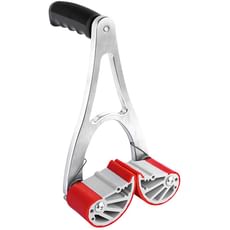
Plasterboard lifters are essential manual handling tools designed to make the installation of plasterboard, drywall panels, and sheet materials safer and more efficient. These ingenious devices eliminate the need for a second pair of hands when positioning heavy, awkward boards against walls and ceilings, reducing the risk of back strain and material damage. From simple panel carriers that clamp onto board edges to sophisticated lever-operated lifters that raise sheets to ceiling height, Tooled-Up.com stocks a comprehensive range to suit every installation scenario.
The selection available from Tooled-Up includes hand-held board carriers for horizontal transportation, door and panel lifters for positioning materials against vertical surfaces, and specialist grippers that provide secure handling of sheets in confined spaces. Leading manufacturers such as Roughneck, Stanley, Bessey, and Marshalltown have developed these tools with practical features including high-friction rubber grips, adjustable clamping jaws, and load capacities typically ranging from 60kg to 75kg. Whether you're tackling a small domestic renovation or a commercial fit-out project, the right plasterboard lifter transforms a potentially hazardous two-person job into a safe, manageable task for a single operator.
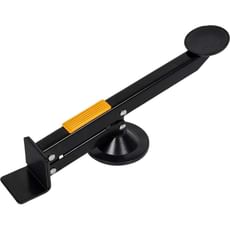
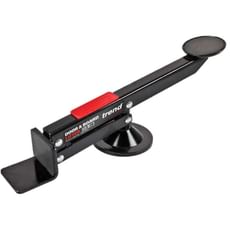
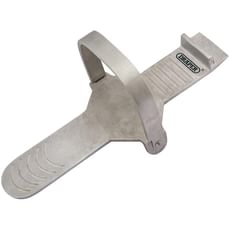
Modern plasterboard lifters come in various configurations to address different installation challenges. Panel carriers feature spring-loaded or lever-operated jaws that grip board edges securely, whilst board lifters with foot-operated levers allow tradespeople to raise and position sheets with precision. Some models incorporate swivel mechanisms for improved manoeuvrability, and specialist gripper designs enable safe handling of not just plasterboard but also timber sheets, glass panels, and other construction materials.
Jargon Buster
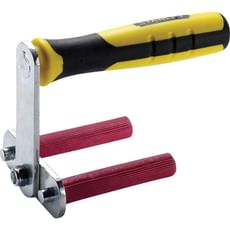
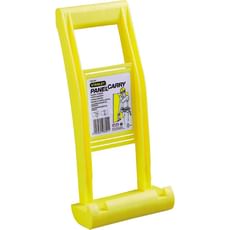
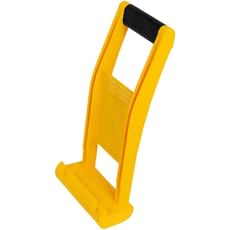
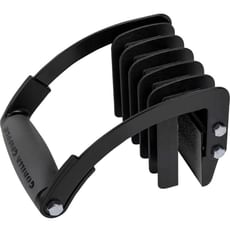
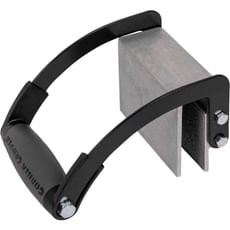
- Panel Carrier: A handheld clamping device that grips the edge of a plasterboard sheet, allowing single-handed transportation of panels horizontally. Most feature rubber-coated jaws to prevent material damage.
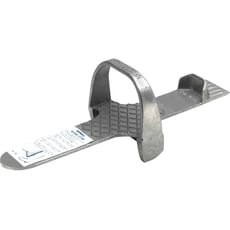
- Board Lifter: A foot-operated lever tool that raises plasterboard sheets from floor level to ceiling height, enabling precise positioning and fixing without manual lifting. Essential for overhead installation work.
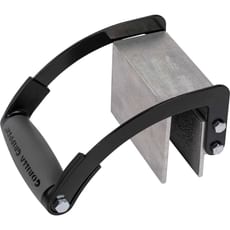
- Gorilla Gripper: A proprietary design featuring a spring-loaded clamping mechanism that grips panels using leverage and friction rather than mechanical jaws, suitable for various material thicknesses.
- Load Capacity: The maximum weight a plasterboard lifter can safely handle, typically expressed in kilograms. Most professional-grade lifters accommodate loads between 60kg and 75kg.
- Clamping Range: The minimum and maximum material thickness a lifter can grip, usually measured in millimetres. Standard ranges accommodate thicknesses from 10mm to 65mm, covering most sheet materials.
- Drywall Panel: Alternative term for plasterboard, particularly common when referring to standard gypsum-based wallboard used in interior construction and partition systems.
Who Uses Plasterboard Lifters?
- Plasterers and Dry Liners: Professional tradespeople who install plasterboard systems daily and require reliable lifting equipment for safe, efficient work
- General Builders and Contractors: Those undertaking renovation and new-build projects involving partition walls and ceiling installations
- Shopfitters and Joiners: Tradespeople creating retail and commercial interior spaces where board materials are extensively used
- Maintenance Teams: Facility managers and property maintenance professionals conducting repair and refurbishment work
- DIY Enthusiasts: Home improvers tackling loft conversions, garage conversions, or room partitioning projects who want professional results without hiring assistance
- Ceiling Fixers: Specialists who focus on suspended ceiling systems and overhead board installation
- Carpenters: Tradespeople working with large timber sheets and panel materials requiring safe handling equipment
How to Choose the Right Plasterboard Lifters
Consider Your Installation Type: For wall applications, a simple panel carrier or door lifter may suffice, whilst ceiling work demands a foot-operated board lifter with height adjustment. Assess whether you primarily need horizontal carrying capacity or vertical positioning assistance.
Check Load Capacity: Standard 12.5mm plasterboard weighs approximately 8-10kg per square metre. Calculate the weight of your typical board sizes and select a lifter with adequate capacity – most quality models handle 60-75kg comfortably, suitable for full-sized sheets.
Evaluate Clamping Range: Different materials have varying thicknesses. Ensure your chosen lifter accommodates the range of materials you work with, from thin 9.5mm plasterboard to thicker insulated boards, timber sheets, or double-layered installations. Models with 10-65mm ranges offer excellent versatility.
Assess Build Quality: Brands like Bessey, Roughneck, and Stanley are represented at Tooled-Up because they manufacture robust tools with reinforced frames and durable rubber grips. Look for steel construction rather than flimsy pressed metal, particularly if you're a professional tradesperson requiring daily reliability.
Consider Portability: Handheld panel carriers are lightweight and easily transported between jobs, whilst larger board lifters may be bulkier but offer greater functionality. Match the tool's weight and size to your typical working environment and vehicle storage capacity.
Budget Appropriately: Entry-level panel carriers suit occasional DIY use, whilst professional installers benefit from investing in premium models with superior grip mechanisms and extended warranties. Consider the tool's cost against potential savings in labour time and reduced material damage.
Popular Accessories
- Plasterboard Screws and Fixings: Drywall screws in various lengths for securing boards to timber or metal studs
- Jointing Compounds and Tape: Finishing materials including joint tape, fillers, and compounds for seamless board installations
- Drywall Saws and Cutting Tools: Padsaw blades, Stanley knives, and circle cutters for accurately sizing boards to fit
- Screw Guns and Collated Screwdrivers: Power tools designed specifically for rapid plasterboard fixing work
- Spirit Levels and Laser Levels: Essential for ensuring perfectly aligned board installation
- Dust Sheets and Protective Equipment: Site protection including tarpaulins, knee pads, and dust masks for working comfort
- Measuring and Marking Tools: Tape measures, T-squares, and pencils for accurate board marking and cutting
- Tool Bags and Storage: Durable carrying solutions for keeping your plasterboard lifter and accessories organised on site
Safety Information
Manual Handling Considerations: Whilst plasterboard lifters significantly reduce manual handling risks, always assess the load before lifting and maintain proper posture. The HSE recommends using mechanical aids wherever possible to prevent musculoskeletal disorders, making these tools essential safety equipment rather than mere convenience items.
Inspect Before Use: Check that clamping mechanisms, springs, and rubber grips are in good condition before each use. Damaged or worn components can compromise grip strength, potentially causing dropped loads and material damage or injury.
Load Limitations: Never exceed the manufacturer's stated load capacity. Overloading can cause mechanical failure and serious injury. If working with particularly large or heavy boards, consider using multiple lifters or seeking assistance.
Clear Working Areas: Ensure adequate space when manoeuvring large boards with lifting equipment. Remove tripping hazards and ensure sufficient clearance around doorways and in confined spaces to prevent accidents.
Protective Equipment: Wear appropriate PPE including safety gloves to protect hands from sharp board edges, steel toe-capped boots to guard against dropped materials, and dust masks when cutting or sanding plasterboard.
Frequently Asked Questions
Can plasterboard lifters be used for materials other than plasterboard?
Yes, most quality panel carriers and lifters accommodate various sheet materials including timber boards, chipboard, MDF, glass panels, and insulated plasterboard. Check the clamping range specification – models with 10-65mm capacity handle the widest variety of materials. The Bessey panel carrier, for example, is specifically designed for wood sheets, glass, and plexiglass as well as plasterboard.
Do I really need a plasterboard lifter for DIY projects?
For occasional small-scale work, you might manage without one, but even DIY enthusiasts find these tools invaluable. A standard 2400mm x 1200mm plasterboard sheet weighs approximately 25-30kg and is extremely awkward to handle alone. A panel carrier costing under £20 eliminates the need for a helper and prevents costly material damage from dropped boards, typically paying for itself on a single project.
What's the difference between a panel carrier and a board lifter?
A panel carrier is a handheld clamping device for transporting boards horizontally, whilst a board lifter typically features a foot-operated mechanism that raises sheets vertically from floor to ceiling. Panel carriers are ideal for moving materials around the site and positioning them against walls, whereas board lifters excel at ceiling installations where you need to raise and hold panels overhead whilst fixing them in place.
How much weight can professional-grade plasterboard lifters handle?
Most professional plasterboard lifters available at Tooled-Up feature load capacities between 60kg and 75kg, comfortably accommodating full-sized plasterboard sheets including heavier sound-resistant or moisture-resistant boards. This capacity allows safe handling of even double-layered applications or thicker insulated boards commonly used in modern construction.
Are plasterboard lifters suitable for ceiling work?
Absolutely – foot-operated board lifters are specifically designed for ceiling installations. These tools allow you to raise a plasterboard sheet from floor level to ceiling height using a lever mechanism, then hold it firmly in position whilst you fix it to the joists. This eliminates the dangerous practice of overhead lifting and provides the stability needed for accurate screw placement, making solo ceiling boarding entirely practical.