

Plastic Hammers

Pay in 3 interest-free payments on purchases from £20-£3000 with  . Learn more.
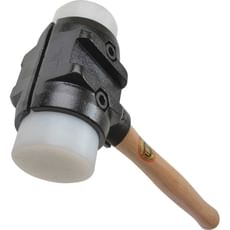
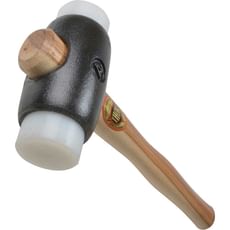
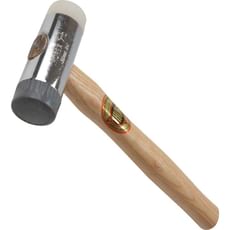
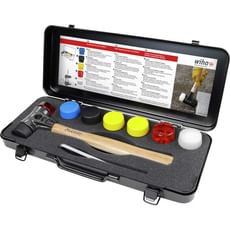
 Loading...
End of content
Error - No more pages to load
About Plastic Hammers
Plastic hammers, also known as soft-face or non-marring hammers, are essential tools designed to deliver controlled striking force without damaging delicate surfaces or finished workpieces. Unlike traditional metal hammers, these specialist tools feature faces made from materials such as nylon, urethane, or composite plastics that absorb impact energy whilst protecting both the work surface and the hammer itself. Available with either fixed or replaceable heads, plastic hammers have become indispensable across numerous trades where precision and surface protection are paramount.
The range available from Tooled-Up.com includes models from trusted manufacturers including Thor, Wiha, Wera, and Faithfull, each offering distinct advantages for specific applications. Some feature chrome-plated heads with screw-in nylon faces that can be replaced as they wear, extending the tool's working life considerably. Others incorporate split-head designs or dual-density faces combining soft and hard plastics to provide versatility across different materials. Weight options typically range from lightweight models around 300g for delicate assembly work, through to heavier 900g hammers capable of delivering more substantial force when required.
Modern plastic hammers often incorporate ergonomic handles with non-slip grips and shock-absorbing shafts that reduce user fatigue during extended use. The materials used in construction—whether fibreglass, hardened plastic, or composite materials—are selected to provide optimal balance between durability and vibration dampening. Many professional-grade models feature safety certifications and comply with relevant British and European standards, making them suitable for use across construction sites, workshops, and manufacturing facilities throughout the UK.
Jargon Buster
- Soft Face: A hammer head made from non-metallic materials such as nylon, urethane, or rubber that minimises rebound and prevents surface damage when striking workpieces. The soft face absorbs impact energy rather than transferring it entirely to the work surface.
- Split Head Design: A hammer construction featuring a head divided into sections, allowing for different face materials on each side or enabling easy replacement of worn striking surfaces without replacing the entire tool.
- Screw-in Faces: Replaceable striking surfaces that thread into the hammer head, allowing users to swap out worn or damaged faces rather than discarding the entire hammer. This design significantly extends tool life and represents better value over time.
- Dead Blow: Though not always applicable to plastic hammers, this term refers to hammers with hollow heads partially filled with shot or sand that prevents rebound and delivers more force directly to the target with minimal bounce-back.
- Urethane Head: A premium striking surface material offering excellent durability and resistance to wear, oils, and chemicals. Urethane faces typically outlast standard nylon whilst maintaining non-marring properties.
- Non-Marring: The fundamental property of plastic hammers—the ability to strike surfaces without leaving marks, dents, or scratches, making them ideal for working with finished materials, machined components, or decorative surfaces.
Who Uses Plastic Hammers?
Plastic hammers serve a diverse range of trades and industries where surface protection is critical:
- Furniture Makers and Cabinet Makers: Essential for assembly work, fitting joints, and adjusting components without damaging veneers or finished surfaces
- Double Glazing Installers: Used extensively for positioning frames and beading without marking UPVC, aluminium, or timber profiles
- Engineers and Machinists: Perfect for positioning workpieces, adjusting tooling, and assembly tasks in engineering workshops where precision components must remain unmarked
- Shop Fitters and Partitioning Specialists: Ideal for installing wall systems, display units, and internal fixtures where cosmetic damage is unacceptable
- Automotive Technicians: Used for wheel trim installation, panel adjustment, and any application requiring force without surface damage
- Injection Moulding Operatives: Essential for mould adjustment and component extraction without marking finished plastic parts
- General Maintenance Engineers: Valuable across facilities maintenance for equipment adjustment and repair work
- DIY Enthusiasts: Increasingly popular for home improvement projects involving laminate flooring, flat-pack furniture assembly, and delicate installation work
How to Choose the Right Plastic Hammers
Head Material: Consider what you'll be striking most frequently. Nylon faces offer good general-purpose performance and affordability with replaceable options extending tool life. Urethane heads, available from brands like Wera, provide superior durability and chemical resistance, making them worthwhile for professional daily use. Some Thor models feature dual-face designs with different hardness levels on each end, providing versatility across varying materials.
Weight and Size: Match the hammer weight to your typical applications. Lighter models around 300-450g suit delicate assembly work and small components, whilst heavier 700-900g hammers deliver more force for positioning larger assemblies or working with tougher materials. The selection at Tooled-Up includes various weights to suit different requirements.
Handle Design: Ergonomics matter significantly for tools used repeatedly throughout the working day. Look for fibreglass or composite handles that absorb vibration effectively whilst maintaining strength. Non-slip grips prevent the hammer rotating in your hand during use, improving both safety and accuracy.
Replaceable vs Fixed Faces: Hammers with screw-in replaceable faces, such as the Faithfull nylon hammer, represent better long-term value despite higher initial cost. Once faces wear down, simply replace them rather than purchasing an entirely new hammer. Fixed-face models cost less upfront but require complete replacement when worn.
Brand Quality: Professional-grade hammers from manufacturers like Thor, Wiha, and Wera typically feature superior materials, better balance, and longer service life compared with budget alternatives. For tradespeople using these tools daily, investing in quality pays dividends through reduced replacement frequency and improved working comfort.
Popular Accessories
- Replacement Hammer Faces: Spare nylon or urethane faces for hammers with screw-in designs, ensuring your tool remains serviceable for years
- Tool Belts and Pouches: Keeping your plastic hammer readily accessible on site improves efficiency and prevents tool loss
- Dead Blow Hammers: Complementary hammers for applications requiring minimal rebound and maximum energy transfer
- Rubber Mallets: Alternative soft-face tools offering different impact characteristics for specific materials
- Pin Punches and Drift Punches: Often used alongside plastic hammers for precision positioning and alignment work
- Protective Workbench Mats: Non-slip surfaces that protect workpieces during assembly operations
- Safety Glasses: Essential PPE when using any striking tool to protect against flying debris or accidental impact
Safety Information
Whilst plastic hammers are generally safer than metal alternatives, proper usage remains important. Always wear appropriate eye protection when striking any object, as fragments can still break free from workpieces. Inspect hammer faces before each use for signs of wear, splitting, or damage—compromised faces may fragment during use or fail to protect work surfaces effectively.
Ensure screw-in faces are properly tightened before use to prevent them loosening during operation, which could cause injury or workpiece damage. Replace worn faces promptly when striking surfaces become uneven or show significant degradation. Never use plastic hammers on hardened steel or extremely hard materials that could damage the face prematurely.
Maintain a firm grip throughout the striking motion and keep your other hand well clear of the impact zone. Even soft-face hammers deliver considerable force that can cause injury if they strike fingers or hands. When working on site, ensure your work area is clear of trip hazards and that you have stable footing before swinging any hammer.
Frequently Asked Questions
How long do plastic hammer faces typically last?
Lifespan varies considerably based on usage frequency and materials being struck. With moderate professional use, quality nylon faces typically last several months before requiring replacement, whilst premium urethane faces may last a year or longer. DIY users may find faces last several years. Tooled-Up stocks replacement faces for models with screw-in designs, making it economical to maintain your hammer rather than replacing it entirely.
Can I use plastic hammers on metal surfaces?
Yes, plastic hammers are specifically designed for use on metal surfaces where you need to apply force without marking or damaging the material. They're ideal for positioning machined components, adjusting metal fixtures, and assembly work involving aluminium, steel, or other metals with finished surfaces. However, avoid using them on extremely hard or sharp edges that might damage the plastic face.
What's the difference between soft and hard plastic faces on dual-face hammers?
Dual-face hammers like certain Thor models feature different hardness levels on each end. The softer face (typically white or lighter coloured) provides maximum surface protection for delicate materials and polished surfaces. The harder face (often black or darker) delivers more force and stands up better to repeated use on tougher materials, whilst still preventing the marring associated with metal hammers.
Are plastic hammers suitable for professional daily use?
Absolutely. Professional-grade plastic hammers from brands like Wiha, Thor, and Wera are engineered for demanding daily use across trades. Features like replaceable faces, reinforced handles, and premium materials ensure they withstand the rigours of professional environments. Many tradespeople consider them essential tools, particularly in furniture making, double glazing installation, and engineering applications.
Do I need different plastic hammers for different jobs?
Whilst a good-quality general-purpose plastic hammer handles most tasks, having multiple weights can improve efficiency. A lighter hammer suits delicate assembly work and small components, whilst a heavier model provides more force for larger assemblies. Some professionals also keep hammers with different face materials—nylon for general work and urethane for applications involving oils or chemicals. The variety available at Tooled-Up.com allows you to build a comprehensive toolkit matched to your specific requirements.