

Plastic Mallets
Pay in 3 interest-free payments on purchases from £30-2000 with  . Learn more.
 Loading...
End of content
Error - No more pages to load
About Plastic Mallets
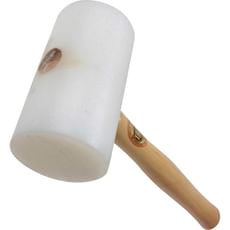
Plastic mallets are essential non-marring striking tools designed to deliver controlled force without damaging delicate surfaces or workpieces. Unlike traditional metal hammers, these mallets feature heads made from durable polymers such as ultra-high molecular weight polyethylene (UHMW-PE), which provides excellent impact resistance whilst protecting finished surfaces from dents, scratches and marking. The plastic construction absorbs shock effectively, reducing rebound and hand fatigue during prolonged use, making them ideal for assembly work, metalworking, and precision applications where surface protection is paramount.
The range available at Tooled-Up.com includes professional-grade plastic mallets fitted with sturdy wooden handles that provide excellent grip and control. These tools combine the impact strength needed for persuasive striking with the gentleness required for working with softer metals, plastics, laminates and pre-finished materials. The advanced polymer heads resist fracturing, splintering and delamination even under heavy use, whilst remaining resistant to most chemicals and corrosion, ensuring long-term durability in demanding workshop environments.
Plastic mallets serve diverse applications across multiple industries, from jewellery making and precision engineering to furniture assembly and sheet metal fabrication. Their non-marking properties make them indispensable when working with chrome fittings, polished metals, laminated surfaces, and anywhere that traditional metal striking tools would cause unacceptable damage. The balanced weight distribution and ergonomic design allow for accurate strikes without the jarring impact associated with harder mallet materials.
Jargon Buster
- UHMW-PE (Ultra-High Molecular Weight Polyethylene): An advanced polymer material offering exceptional impact resistance, abrasion resistance and low friction properties. This high-performance plastic provides superior durability compared to standard polyethylene whilst remaining non-marring on delicate surfaces.
- Non-Marring: The ability of a striking tool to deliver force without leaving marks, dents, scratches or surface damage on the workpiece. This property is essential when working with finished surfaces, polished metals, or decorative materials.
- Dead Blow: Though distinct from standard plastic mallets, this term refers to mallets with hollow heads filled with sand or shot that minimise rebound and deliver more force directly into the target, reducing bounce-back.
- Face Diameter: The measurement across the striking surface of the mallet head, typically ranging from 25mm to 75mm. Larger face diameters distribute force over a greater area, reducing pressure concentration.
- Rebound Control: The mallet's ability to absorb impact energy rather than bouncing back from the struck surface. Plastic mallets naturally offer good rebound control due to their polymer construction.
- Chemical Resistance: The capacity of the mallet head material to withstand exposure to oils, solvents, acids and other workshop chemicals without degrading or losing structural integrity.
Who Uses Plastic Mallets?
- Sheet Metal Workers: For forming, shaping and assembling metal components without marking polished or painted surfaces
- Jewellers and Silversmiths: For delicate metalwork, stone setting and forming precious metals without surface damage
- Furniture Makers and Assemblers: For tapping together joints, positioning dowels and assembling flat-pack furniture without bruising wood
- Automotive Technicians: For removing hubcaps, adjusting panels and working with chrome trim and alloy wheels
- Engineers and Machinists: For assembly work, adjusting machine parts and working with precision components
- Upholsterers: For fitting frames and positioning components without damaging fabrics or finished surfaces
- Tile and Stone Fitters: For seating tiles and adjusting positioning without cracking or chipping ceramic surfaces
- Die Makers: Particularly for steel rule die assembly where precision and surface protection are critical
- DIY Enthusiasts: For general assembly, home improvement projects and any application requiring controlled, non-damaging strikes
- Shopfitters and Joiners: For installing fixtures, fittings and trim work without marking finished surfaces
How to Choose the Right Plastic Mallets
Head Material: Look for mallets constructed from UHMW-PE or similar high-performance polymers that offer superior impact resistance and longevity. These advanced materials resist fracturing and delamination far better than standard plastics, ensuring consistent performance throughout the tool's lifespan.
Head Size and Weight: Consider the scale of your typical work. Larger, heavier heads deliver more force but offer less precision, whilst smaller heads provide greater control for delicate applications. Head weights typically range from 200g to 900g, with lighter options suited to precision work and heavier mallets for general assembly tasks.
Handle Construction: Quality wooden handles provide excellent shock absorption and comfortable grip during extended use. Check that the handle is securely fitted to the head and appropriately sized for your hand. Some plastic mallets feature replaceable heads, offering better long-term value.
Application Requirements: Match the mallet to your specific tasks. Jewellery work demands smaller, lighter mallets with excellent control, whilst furniture assembly or sheet metal work may require larger striking surfaces and greater impact force. Consider whether you need chemical resistance if working in environments with solvents or oils.
Brand Quality: Tooled-Up stocks professional-grade mallets from trusted manufacturers like Thor, known for producing durable striking tools that withstand demanding trade use. Established brands typically offer better material quality and manufacturing precision than budget alternatives.
Ergonomics: Consider the balance and overall weight distribution. A well-balanced mallet reduces fatigue and improves accuracy, particularly important for repetitive striking applications or prolonged use throughout the working day.
Popular Accessories
- Replacement Mallet Heads: Extend tool life by replacing worn heads whilst retaining the handle
- Rubber Mallets: Complementary striking tools offering different rebound and impact characteristics
- Soft-Face Hammers: Alternative non-marring tools with replaceable nylon or rubber faces
- Dead Blow Hammers: For applications requiring maximum force transfer with minimal bounce
- Tool Belts and Pouches: For convenient carrying on site or around the workshop
- Work Benches and Vices: Essential for securing workpieces during striking operations
- Protective Mats: Rubber or cork surfaces to protect delicate components during assembly
- Safety Glasses: Eye protection for all striking tool applications
- Work Gloves: Improve grip and reduce vibration transmission to hands
Safety Information
Always wear appropriate personal protective equipment when using plastic mallets, including safety glasses to protect against flying debris or workpiece fragments. Inspect the mallet before each use, checking for cracks, splits or loose heads that could fail during striking. Never use a damaged mallet as the head may detach during use, causing injury.
Ensure workpieces are properly secured before striking to prevent movement that could result in missed strikes and potential injury. Maintain a firm grip on the handle and position yourself with stable footing, keeping your free hand clear of the strike zone. Though plastic mallets are designed to minimise rebound, always anticipate some bounce-back and position your face and body accordingly.
When working with plastic mallets in industrial environments, follow HSE guidelines for manual handling and repetitive strain injury prevention. Take regular breaks during prolonged striking work to avoid fatigue, which can lead to reduced accuracy and increased accident risk. Store mallets in a dry location away from extreme temperatures, as some plastics can become brittle when cold or soften in excessive heat.
Frequently Asked Questions
What's the difference between plastic mallets and rubber mallets?
Plastic mallets feature harder, more rigid heads made from polymers like UHMW-PE, offering greater impact force and durability compared to rubber mallets. They're better suited to applications requiring firmer strikes whilst still protecting surfaces. Rubber mallets provide softer, more cushioned impacts with greater rebound absorption, making them preferable for extremely delicate work or when working with materials that could crack under harder strikes, such as ceramics or glass.
Can plastic mallets be used on metal surfaces?
Yes, plastic mallets are excellent for use on metal surfaces, particularly polished, chrome-plated, or painted metals where traditional metal hammers would cause dents or scratches. They're widely used in sheet metal work, automotive applications, and steel rule die assembly. The non-marring properties protect finished metal surfaces whilst still delivering sufficient force for assembly, adjustment and forming operations.
How long do plastic mallet heads typically last?
High-quality plastic mallets constructed from UHMW-PE can last for years of professional use when properly maintained. The lifespan depends on frequency of use and application intensity, but premium materials resist fracturing, splintering and delamination far better than standard plastics. Signs that a head needs replacing include visible cracking, significant surface wear reducing the striking face diameter, or chunks breaking away from the impact surface.
Are plastic mallets suitable for outdoor site work?
Plastic mallets perform well in outdoor environments as quality polymer heads resist moisture, corrosion and many chemicals commonly encountered on building sites. However, extreme cold can make some plastics more brittle, potentially increasing fracture risk, whilst prolonged UV exposure may gradually degrade certain polymer formulations. For regular outdoor use, ensure you select mallets specifically rated for site conditions and store them appropriately when not in use.
Can I use a plastic mallet for woodworking chisels?
Whilst plastic mallets can technically be used with woodworking chisels, traditional wooden or brass-headed mallets are generally preferred for this application. Wood chisels are designed to be struck with materials that provide specific rebound characteristics and force transfer. However, plastic mallets work excellently for general woodworking assembly, fitting joints, and tapping components together without marking the wood surface.